


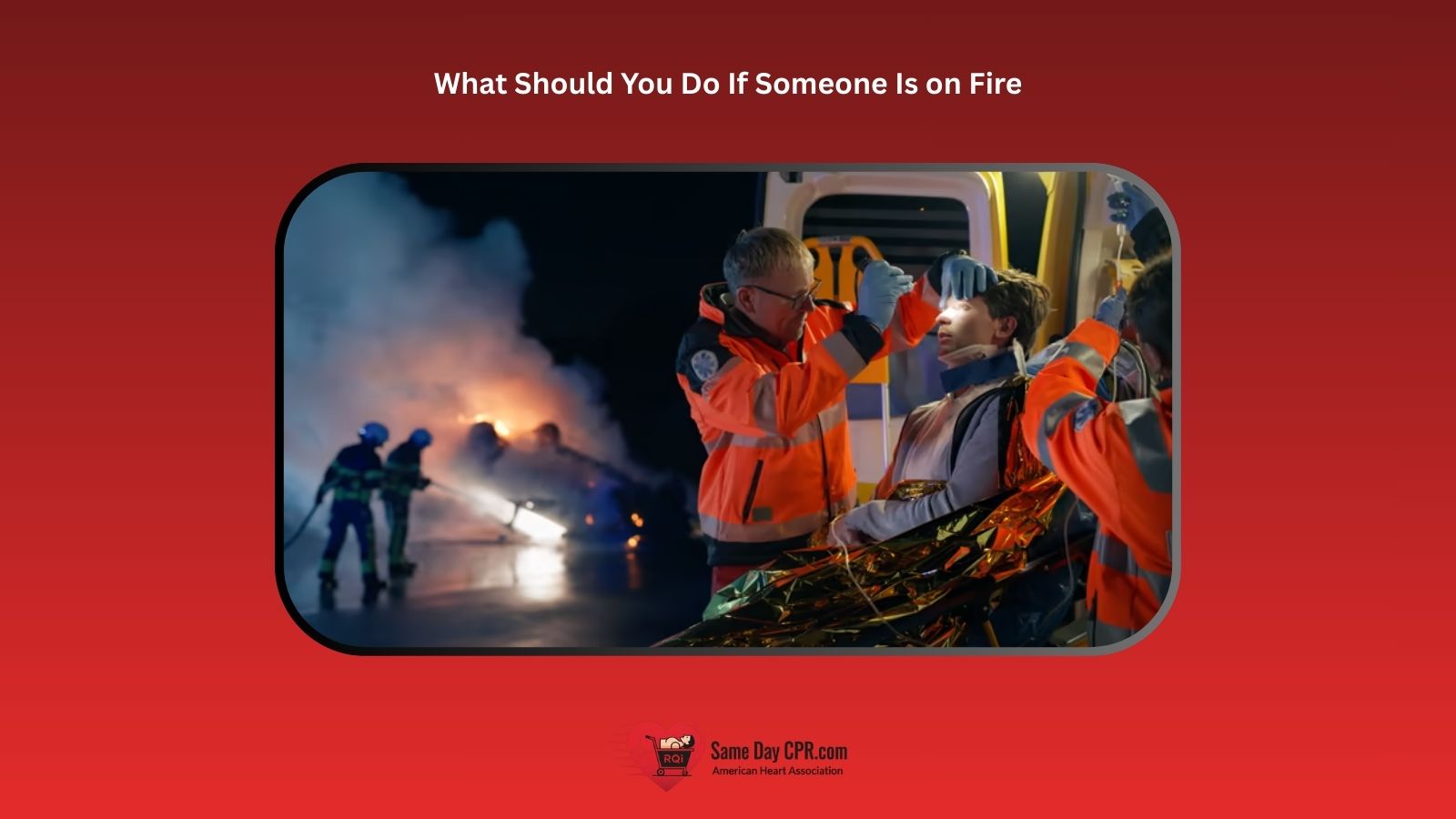
Imagine being in a situation where someone suddenly bursts into flames. It sounds terrifying, right? But knowing exactly what to do in those first crucial moments can save a life and prevent serious injuries. Fires can happen unexpectedly, from accidents in the kitchen, electrical mishaps, or even outdoor activities. When someone is on fire, panic is natural, but quick, calm action is the key to keeping them safe. Most people think they should run and try to put the flames out with their hands, but that often makes things worse. The right steps are simple, practical, and easy to remember if you stay calm. You can become the person who makes a life-saving difference before emergency help arrives.
In this guide, we will go over what to do immediately, how to protect yourself while helping, and why certain actions are more effective than others. Learning these steps ahead of time gives you confidence and peace of mind. Fires are dangerous, but a clear head and the right actions can turn a terrifying moment into a manageable one. Being prepared is not just smart; it could be the difference between life and death.
Safety Steps to Follow When Helping Someone During a Fire
When someone catches fire, staying calm can make a big difference. You can help them safely if you act quickly and carefully. Knowing the right steps keeps both of you out of danger. Let’s go through simple ways to handle this scary situation.
Step 1: Check that the Area is Safe
Before you touch the person, remember: what are you legally required to do when responding to an emergency? Your top priority is staying safe, so protect yourself first. Before stepping in to help, quickly scan the area for hazards like flammable materials, active flames, or other dangers. If the fire on the person is unusually large, has dripping flames, or smells strongly of fuel or chemicals, it might be caused by accelerants, which can ignite you just as easily. Keep a safe distance. Once you’ve assessed the scene and secured your own safety, immediately call 911 or emergency services.
Step 2: Instruct Them to Stop, Drop, and Roll
After confirming the area is safe, immediately guide the person on fire to perform the “stop, drop, and roll” technique. This simple but practical method is the quickest way to smother the flames and prevent further injury.
- Stop: Pause immediately if your clothing catches fire. Staying still prevents the flames from spreading and gives you a moment to respond safely.
- Drop: Lower yourself to the ground to stop the flames from rising and reaching your face or head.
- Roll: Protect your face with your hands and roll repeatedly to extinguish the flames by cutting off their oxygen supply. If rolling isn’t possible, use a fire blanket, heavy jacket, or thick natural-fiber cloth to smother the fire, avoid plastics or materials that could melt. Keep close to the ground to minimize smoke inhalation.
Step 3: Cover with a Blanket or Jacket
If a blanket or coat is on hand, use it to cover the flames or wrap it around the person to help extinguish the fire. Avoid covering their face to prevent breathing difficulties. Ensure the material is not synthetic, as melted fabric can stick to the skin and worsen injuries.
Step 4: Cool the Flames with Water
If safe and accessible, pour or splash water on the flames to help put out the fire. Water works well for fires involving clothing or ordinary materials. However, avoid using water on fires caused by flammable liquids like grease or kerosene, or on electrical fires, as it can worsen the situation.
Step 5: Put Out the Fire with an Extinguisher
If the fire continues and a fire extinguisher is available, use it only if you can do so safely. Follow the device’s instructions and aim at the fire’s base. If the flames can’t be quickly controlled, prioritize moving the person to safety and calling for help.
To use a fire extinguisher, remember the PASS method:
- P: Pull the pin
- A: Aim the nozzle at the base of the fire
- S: Squeeze the handle
- S: Sweep side by side to cover the entire fire area
Steps to Take After Extinguishing a Fire
After the fire is extinguished, act promptly to minimize further injury, start basic first aid, and prepare for emergency medical assistance. Here’s what to do next.
Step 1: Get to a Safe Distance from the Heat
After you rescue someone from a fire, the first thing to do is move them away from the flames and smoke. Make sure you both are at a safe distance where the heat won’t hurt anyone anymore. Staying calm and finding a safe spot helps prevent further injuries and gives you a chance to focus on helping the person.
Step 2: Apply Cool Water to the Burn
Once you are safe, gently pour cool water over the burned area. This helps ease the pain and stops the burn from getting worse. Avoid using ice because it can hurt the skin. Keep the water running for several minutes until the heat and discomfort start to lessen.
Step 3: Take Off Tight Clothing and Jewelry
Carefully remove any clothing, rings, or bracelets that are close to the burn. Clothes stuck to the skin should not be pulled off. Jewelry can trap heat and swelling, so taking it off quickly can prevent more damage. Being gentle is key to avoiding causing more pain.
Step 4: Protect the Burn with a Clean Cover
After cooling the burn, cover it with a clean cloth or a sterile dressing. This keeps germs out and protects the sensitive skin. Do not use fluffy or sticky materials that might stick to the burn. A simple, clean cover can make the person more comfortable while waiting for help.
Step 5: Get Emergency Medical Help
Even if the burn looks small, call for professional help right away. Emergency responders can check the injury, give the right treatment, and make sure it doesn’t get infected. Getting medical care quickly gives the best chance for healing and prevents complications.
Mistakes to Avoid After a Fire Burn
After the fire has been put out, it’s crucial to remain calm and proceed with caution. Some actions can make the injury worse or slow down recovery. Here are things you should avoid once the flames are gone.
- Avoid Using Ice or Extremely Cold Water: Never put ice or very cold water on a burn. It can make the skin even more damaged and cause extra pain. Stick to gentle, cool water to help the burn feel better
- Don’t Apply Ointments, Creams, or Homemade Remedies: Avoid putting creams, oils, or home remedies on a burn. They can trap heat and cause infection. Keeping the burn clean and covered is the safest choice.
- Never Pull Away Clothing or Skin That’s Stuck: If clothes are stuck to the burn, don’t try to pull them off. Pulling can tear the skin and make the injury worse. Leave it for medical professionals to handle.
- Don’t Break Blisters: Blisters are the body’s way of protecting the burn. Do not pop them, because it can lead to infection and slow healing. Let them stay intact until a doctor checks the burn.
- Don’t Offer Food or Drink if the Person Is Unconscious or in Shock: If someone is unconscious or showing signs of shock, do not give them food or drink. They could choke or make their condition worse. Focus on keeping them calm and safe while waiting for help.
- Avoid Moving the Person Unless Absolutely Necessary: Try not to move the person unless they are in immediate danger. Moving them too much can make injuries worse. Keep them still and comfortable until medical help arrives.
Prevention Tips to Stay Safe from Fire
Fires can happen quickly, but a few simple habits can keep you and your loved ones safe. Learning easy ways to prevent fire helps you stay calm and prepared.
- Install and Check Smoke Alarms: Make sure smoke alarms are installed in every room and hallway. Test them often to be sure they work. A working alarm can warn you early and save lives.
- Keep Flammable Items Away from Heat Sources: Keep things like paper, cloth, and chemicals far from stoves, heaters, and candles. Staying clear of heat sources reduces the chance of a fire starting.
- Practice Safe Cooking: Never leave cooking food unattended, and keep a lid nearby to put out small flames. Cooking safely is one of the easiest ways to prevent accidents at home.
- Use Electrical Appliances Safely: Check cords for damage, avoid overloading outlets, and unplug appliances when not in use. Safe use of electricity helps prevent sparks and fires.
- Create and Practice a Fire Escape Plan: Make a clear plan for getting out of your home if a fire starts. Practice it with everyone in your family so everyone knows what to do. Being prepared can save precious time in an emergency.
Key Takeaways for Fire Safety
In summary, fires are scary, but knowing how to respond makes a huge difference. Staying calm, acting quickly, and following simple steps can help save someone’s life and prevent serious injuries. Remember to protect yourself first, guide the person on how to stop, drop, and roll, and use water, blankets, or a fire extinguisher safely. After the flames are out, gentle care and getting medical help are key to proper healing. Practicing fire safety and prevention every day keeps you and your loved ones safer. Being prepared doesn’t just protect lives, it gives you confidence to handle emergencies with a clear head and steady hands.
Boost your lifesaving abilities with Same Day CPR! We provide AHA certifications in BLS, ACLS, PALS, CPR, and First Aid, all completed the same day. Begin by completing the included online course, then attend a quick, convenient in-person skills session at one of our easily accessible locations. Your official AHA certification card will be issued immediately upon completion. For more information and registration, check out our Locations or Classes page.