


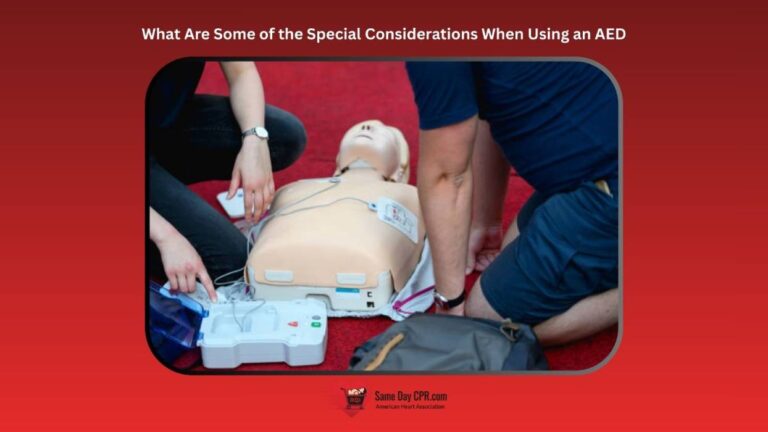
When someone’s heart suddenly stops, every second matters, and an AED (automated external defibrillator) can make the difference between life and death. These devices are designed to be simple, giving you clear voice prompts and guiding you step by step, so you don’t need medical training to use one. An AED works by analyzing the heart’s rhythm and, if needed, delivering an electric shock to restore a normal beat. You should grab one immediately if someone is unresponsive, not breathing normally, or showing no signs of life. Using it quickly, along with CPR (cardiopulmonary resuscitation), offers the best chance of survival. While AEDs are generally safe and easy to use, there are a few special situations, such as wet environments, medical patches, or implanted devices, where extra care is needed. Understanding exactly when the rescuer operating the AED should clear the victim is one of these critical considerations, helping you act confidently and effectively when it counts most.
The Role of AED in Regulating Heart Rhythm
An AED is a lifesaving device designed to detect and correct dangerous heart rhythms during sudden cardiac arrest (SCA). Its primary role is to analyze the heart’s electrical activity and, when necessary, deliver a controlled electric shock (defibrillation) to restore a normal rhythm.
Understanding Heart Rhythm and Cardiac Arrest
- The heart beats because of organized electrical impulses.
- In sudden cardiac arrest, these impulses can become chaotic or stop altogether.
- Two shockable rhythms are most often involved:
- Ventricular Fibrillation (VF) is disorganized electrical activity that prevents the heart from pumping blood.
- Pulseless Ventricular Tachycardia (VT), a very fast rhythm that doesn’t allow the heart to fill or pump properly.
How the AED Works
- Heart Rhythm Analysis: Once pads are applied, the AED automatically reads the heart’s rhythm.
- Decision Making: The device determines whether a shock is needed.
- Defibrillation: If VF or pulseless VT is detected, the AED delivers an electrical shock to depolarize the heart muscle. This essentially “resets” the heart’s electrical system.
- Rhythm Restoration: After the shock, the heart’s natural pacemaker (the sinoatrial node) can often re-establish a normal rhythm.
Why AEDs Are Vital
- Immediate Action Matters: Each minute without defibrillation decreases the chance of survival by 7–10%.
- Accessible to the Public: AEDs are designed for use by lay rescuers with minimal training. Clear voice prompts guide the user step by step.
- Bridge to Advanced Care: AEDs keep victims alive until emergency medical professionals can provide further treatment.
AEDs Do Not “Start the Heart”
It’s a common misconception that AEDs “jump-start” the heart. Instead, they stop abnormal rhythms so the heart’s normal electrical system has a chance to restart effectively.
Special Considerations When Using an AED
Using an AED can save a life, but certain situations need extra care. Being aware of special factors helps you use it safely and effectively.
Age and Size of the Victim
When using an AED, the age and size of the person matters a lot. Adults need standard pads, while children and infants require smaller, pediatric pads and sometimes different settings. Using the right pads makes sure the shock is safe and effective. Always check the AED instructions, as following them carefully can make a big difference in helping someone in an emergency. Also understand how a child is defined in terms of CPR/AED care.
Presence of Water or Wet Environments
Water can be dangerous when using an AED because it can carry electricity and put both you and the victim at risk. Before delivering a shock, make sure the person is out of pools, puddles, or any wet surface, and quickly dry their chest if needed. Even in the rain, take a moment to create a safe, dry area so the AED can work properly and safely.
Hairy Chest
A hairy chest can make it hard for AED pads to stick properly, which may reduce the shock’s effectiveness. If possible, use a shaving kit to remove hair quickly, press the pads firmly onto the skin, or use an extra set of pads if the first ones don’t stick well. Taking a little extra time to ensure good contact can make the AED work much better.
Metal Surfaces
Metal surfaces can carry electricity, so placing a person on metal while using an AED can be risky. Make sure the pads do not touch any metal, and if possible, move the person to a non-metal surface. Taking this step helps keep both you and the victim safe while the AED works.
Implanted Devices
Some people may have medical devices like pacemakers, defibrillators, or insulin pumps, which often show as small lumps or scars on the chest. If you notice one, place the AED pads slightly away from it rather than directly on top. This helps the shock travel through the heart correctly without damaging the device.
Medication Patches
Medication patches on the chest can cause burns if an AED pad is placed over them. To keep the person safe, quickly remove the patch with a gloved hand and wipe the area before applying the pads. This simple step helps the AED deliver the shock effectively without causing harm.
Oxygen Use in the Area
Oxygen can create a fire risk if an AED shock is given too close to where it’s flowing. To stay safe, briefly move the oxygen source away from the person before pressing the shock button. If a flame does occur, remember the basics of what to do if someone is on fire, then return to using the AED once the area is safe. After the shock is delivered, you can bring the oxygen back as needed for their care.
Clothing and Jewelry
Quickly remove any clothing covering the chest so the AED pads can stick directly to the skin. If the person is wearing necklaces or has chest piercings, place the pads so they don’t touch the jewelry. This ensures the shock goes where it’s needed without causing burns or interference.
Pregnant Women
If the person is pregnant, you should still use the AED right away, as it can save both the mother and the baby. Place the pads in the usual spots on the chest and follow the device prompts. The AED is safe in pregnancy, and quick action gives the best chance of survival for both lives.
Post-Shock Considerations
After a shock is given, your job isn’t done yet. Keep listening to the AED and be ready to act fast to give the best chance of survival.
Resuming CPR Immediately
After the AED delivers a shock, it’s important to start CPR right away without waiting to see if the person wakes up. Continuous chest compressions help keep blood and oxygen moving through the body until the heart can beat on its own. The AED will let you know when it’s time to pause, so keep going with steady compressions and breaths to give the person the best chance of recovery.
Following AED Prompts Carefully
The AED is designed to guide you step by step, so it’s important to listen closely and do exactly what it says. It will tell you when to give a shock, when to resume CPR, and when to stop for analysis. By trusting the device and following its instructions, you can stay calm and focused, knowing you’re giving the right help at the right time.
When Should You Avoid Using an AED
An AED is a powerful tool, but there are moments when it should not be used. Knowing these situations helps you respond safely and make the right choice in an emergency.
Heart Attack
If someone is having a heart attack but still has a pulse, do not use the AED. Instead, call emergency services and keep the person comfortable while waiting for help. The device is only for sudden cardiac arrest, not regular heart pain.
Conscious or Breathing
Never use an AED on a person who is awake and breathing normally. They do not need a shock, and using the device could cause harm. Focus on monitoring them and calling for medical help if needed.
(Do Not Resuscitate) DNR
If a person has a Do Not Resuscitate order, respect their wishes and do not use the AED. These instructions are legally binding and are meant to honor the patient’s choice about life-saving treatment.
Faulty or Expired AED
Do not use an AED that is broken, damaged, or past its expiration date. A faulty device may not deliver a safe shock, so always check the readiness indicators before relying on it in an emergency.
Key Safety Reminders
Staying safe while using an AED is just as important as helping the person. Simple habits can protect you and make the device work the way it should.
- Never Touch the Patient During Shock Delivery: When the AED is about to give a shock, make sure no one is touching the person. Staying clear keeps you safe and allows the device to deliver the shock properly to the heart.
- Always follow the AED voice Instructions: The AED talks you through each step, so listen carefully and do what it says. Following the prompts helps you act quickly and confidently, giving the person the best chance to survive.
Safe and Effective AED Use
Using an AED can feel intimidating at first, but understanding the key steps and special considerations makes it much easier to respond with confidence. Before you even touch the patient, it’s important to know your legal responsibilities when responding to an emergency, as this helps protect both you and the victim. By following the device’s prompts, checking for safety concerns such as water, metal, or implanted medical devices, and using the correct pads for the person’s size, you give the heart the best possible chance to restart. Remember, the AED is designed to guide you. Your quick actions, combined with high-quality CPR, can truly save a life. Staying calm, listening carefully to the instructions, and taking a few extra safety steps can make all the difference.
Ready to advance your training? Earn your certification with Same Day CPR. We offer AHA standard courses in CPR, BLS, ACLS, PALS, and First Aid. Complete the online coursework at your convenience, then finish with a fast in-person skills session at one of our 100+ convenient locations. You’ll receive your official AHA certification card the same day. Call or visit our website today to reserve your spot and gain the confidence to save lives.