



Monitoring an infant’s heart rate is one of the most effective ways to assess their health. Like adults, babies have a heartbeat that reflects how their body is functioning, but there’s a big difference: infants’ hearts beat faster and can change speed more quickly than adult hearts. Because they are much more fragile than older children or adults, their tiny bodies require gentle care. Knowing how to check their pulse correctly helps keep them safe and comfortable, whether during routine health checks or in emergencies.
This guide will show you the best way to check an infant’s pulse, explain why it matters, and provide simple, step-by-step instructions to do it safely and accurately.
Definition of Pulse Checking
A pulse is the beat you can feel when the heart pushes blood through the body, and it shows whether circulation is happening as it should. By gently placing your fingers on the right spot, you can quickly find out if the heart is working, which becomes especially important in emergencies with infants and young children. This simple skill not only helps you decide if immediate care is needed but also guides the right actions to keep someone safe.
Key Reasons for Pulse Checking in an Infant
An infant’s pulse can tell you a lot about how their body is doing. It offers clear signs of heart health and can guide important care decisions.
- Assesses Heart Function: Feeling an infant’s pulse helps you know how well the heart is pumping. It gives a clear idea of their circulation and shows if the heart is doing its job properly.
- Detects Abnormalities: A pulse check can reveal unusual rhythms or speeds that might need attention. Spotting these changes early helps prevent bigger health issues.
- Guides Emergency Interventions: In urgent situations, the pulse tells you whether to begin CPR or other life-saving steps. It’s a simple action that guides the right care at the right moment.
- Monitors Health Conditions: Checking the pulse regularly can help track ongoing medical concerns. It provides useful information for doctors and caregivers to better understand the infant’s health.
- Indicates Potential Problems: A weak, rapid, or absent pulse may signal that something is wrong. This quick check can alert you to problems that need immediate care.
When to Check an Infant’s Pulse
Knowing when to check an infant’s pulse can make a big difference in keeping them safe. It helps you respond quickly and understand what their little body needs.
- During a Routine Check: Gently checking an infant’s pulse during regular care helps you know their heart is healthy. It’s a simple step that gives peace of mind and builds good habits.
- Signs of Illness: If a baby seems weak or unwell, a pulse check can offer clues about what’s happening inside. It can guide you in deciding whether to seek medical help.
- Breathing Trouble: When an infant has noisy, fast, or difficult breathing, feeling their pulse can show how their heart is handling the stress. This quick check adds important information for care.
- CPR (cardiopulmonary resuscitation): In a life-threatening moment, checking the pulse lets you know if CPR is needed. It helps you act fast and give the right support.
- Fainting or Injury: If a baby faints or gets hurt, checking the pulse right away tells you how their body is coping. It’s a key step in knowing if they need urgent attention.
Preferred Pulse Check Sites in Infants
When checking a baby’s pulse, knowing the best spots makes it faster and easier. The brachial artery is usually the first place to feel, but the femoral or carotid can work too.
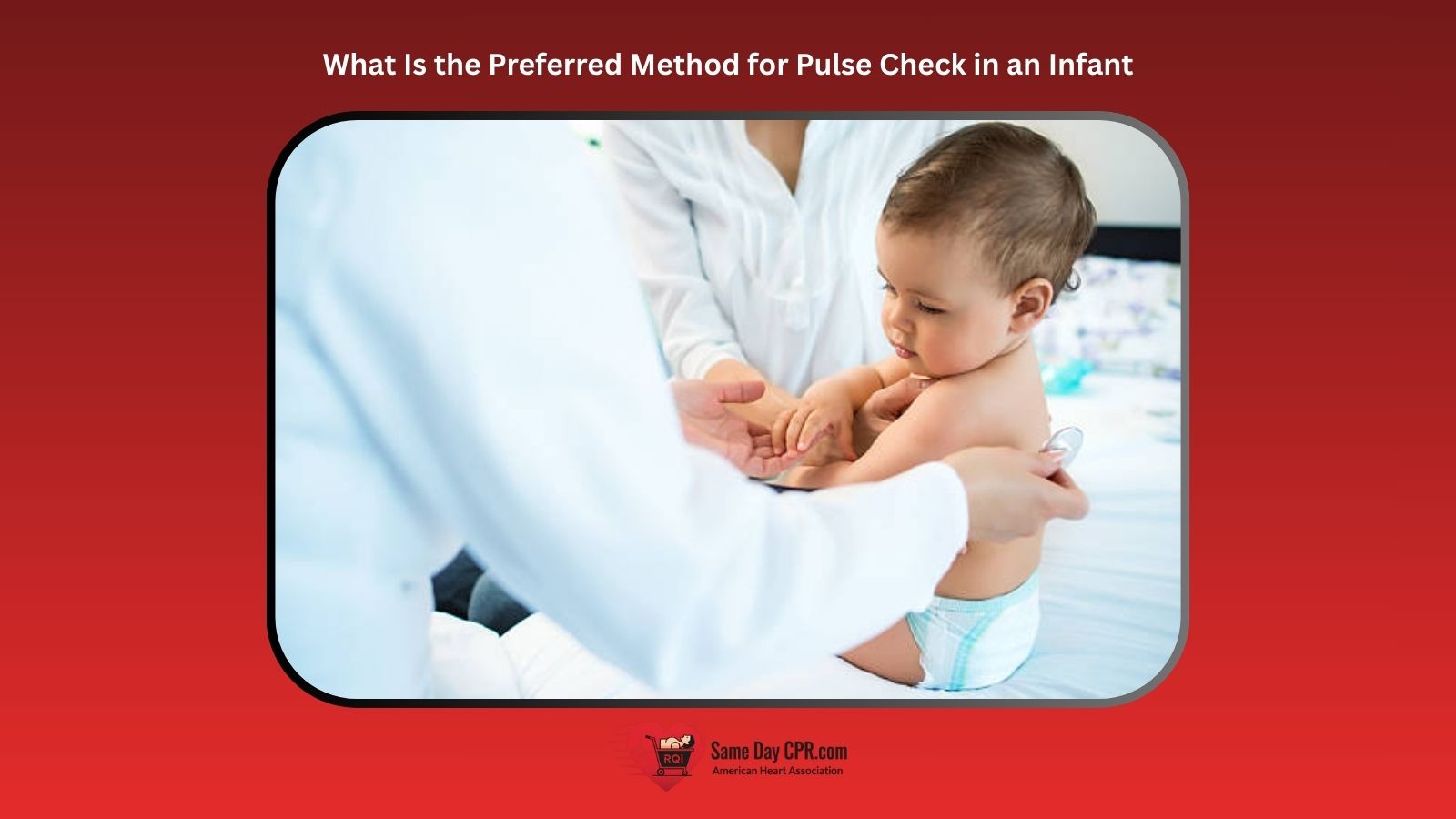
- Brachial Artery as the Primary Site: The brachial artery, located on the inner part of the upper arm between the shoulder and elbow, is the top choice for checking an infant’s pulse. It is simple to reach, comfortable for the baby, and gives an accurate heart rate.
- Other Sites (Femoral or Carotid): Other sites, such as the femoral artery in the groin or the carotid artery in the neck, are used only if the brachial pulse is hard to find. They can be helpful in emergencies, but are not the best choice for regular pulse checks in infants.
Step-by-Step Method for Assessing an Infant’s Pulse
Checking an infant’s pulse is an important way to see how their heart is doing. With a little practice, you can do it safely and gently at home or in an emergency.
Step 1: Position the Infant Safely
Place the baby on their back on a flat, safe surface. Make sure their head and neck are supported and they feel comfortable. Staying calm yourself will help the baby stay relaxed, too.
Step 2: Locate the Brachial Artery
Gently lift the baby’s arm and feel the inside of the upper arm between the shoulder and elbow. This is where you can find the brachial artery, which is the best spot for checking a pulse in infants.
Step 3: Apply Gentle Pressure
Use two fingers to press lightly on the artery. You only need a soft touch to feel the pulse. Pressing too hard can make it harder to feel the heartbeat.
Step 4: Count the Beats
After you find the pulse, count the beats for 15 seconds. Then multiply that number by 4 to estimate the heart rate per minute. For instance, if you count 20 beats in 15 seconds, the heart rate is 80 beats per minute. This method gives a fast and reliable look at how quickly the heart is beating.
Step 5: Observe the Heart Rate and Rhythm
Notice how fast or slow the heartbeat is and whether it beats steadily or unevenly. This can tell you a lot about the baby’s heart and overall health. For example, the normal heart rate for infants (1-12 months) is 80-160 bpm.
Step 6: Repeat If Necessary
If you are unsure about the number or rhythm, take a short break and check again. Repeating the process ensures you get a clear and accurate reading.
Common Mistakes to Avoid While Checking the Pulse in an Infant
Feeling your baby’s pulse can be tricky, but with gentle steps and patience, you’ll get a clearer read. Here are common mistakes to avoid so you can check safely and accurately.
- Using Your Thumb: Your thumb has its own pulse, which can make it hard to feel the baby’s heartbeat. Use your index and middle fingers instead to get a clearer reading.
- Applying Too Much Pressure: Pressing too hard can make the pulse disappear or hurt the baby. Gently place your fingers and let your touch be light but steady.
- Not Knowing the Right Location: If you don’t know where to look, it can take a long time to find the pulse. Focus on the brachial artery inside the upper arm for the most reliable spot.
- Giving Up Too Quickly: Infant pulses can be unclear at first, so it’s easy to feel discouraged. Keep checking calmly for a few seconds before deciding the pulse is not there.
- Confusing With Other Sensations: Sometimes you might feel your own pulse or the baby’s movements instead of the heartbeat. Stay relaxed and pay attention to the steady beat under your fingers.
- Checking For Too Long: Holding your fingers in place for too long can stress both you and the baby. Aim to check for about 10 to 15 seconds to get a good idea of the heart rate.
When to Seek Medical Help While Checking an Infant’s Pulse
If you’re checking an infant’s pulse, know when to seek help right away. Certain signs need urgent medical attention and can’t wait.
- Abnormal Pulse Rate: If an infant’s pulse feels too fast (tachycardia) or too slow (bradycardia), get medical help right away. A normal rate varies by age, so quick advice from a doctor is best.
- Pale, Bluish, or Gray Skin: When the skin looks pale, blue, or gray, call for urgent care. This change can mean the baby isn’t getting enough oxygen.
- Difficulty Breathing: If breathing is hard, noisy, or lasts longer than normal, seek medical help now. Quick action can keep your baby safe.
- Fever Alongside a High Pulse Rate: A fever with a fast pulse should be checked by a professional. This combination can signal a serious illness.
- Inability to Detect a Pulse: If you can’t feel a pulse, call emergency services immediately. Do not wait to see if the situation improves.
- Unresponsiveness or Weakness: If your infant is unresponsive or very weak, call for immediate help. Seconds matter in these cases.
Check Your Baby’s Pulse Confidently
In short, learning to check an infant’s pulse is a calm, practical skill that can keep a baby safer. Using the brachial artery with a gentle touch and counting for a short time gives caregivers a quick read on the baby’s heart. Stay relaxed, avoid common mistakes, and know when to seek help if something seems off. With steady practice, this small step becomes a confident part of caring for a baby, providing peace of mind during check-ups and critical moments.
Boost your confidence with Same Day CPR. We offer AHA BLS, ACLS, PALS, CPR, and First Aid certifications. Begin with the convenient online course, then complete a short hands-on session at any of our 100+ locations. Finish your training and receive your official American Heart Association certification card immediately, equipping you to respond quickly and confidently when it matters most. Sign up today and gain the skills to protect and save a baby’s life.