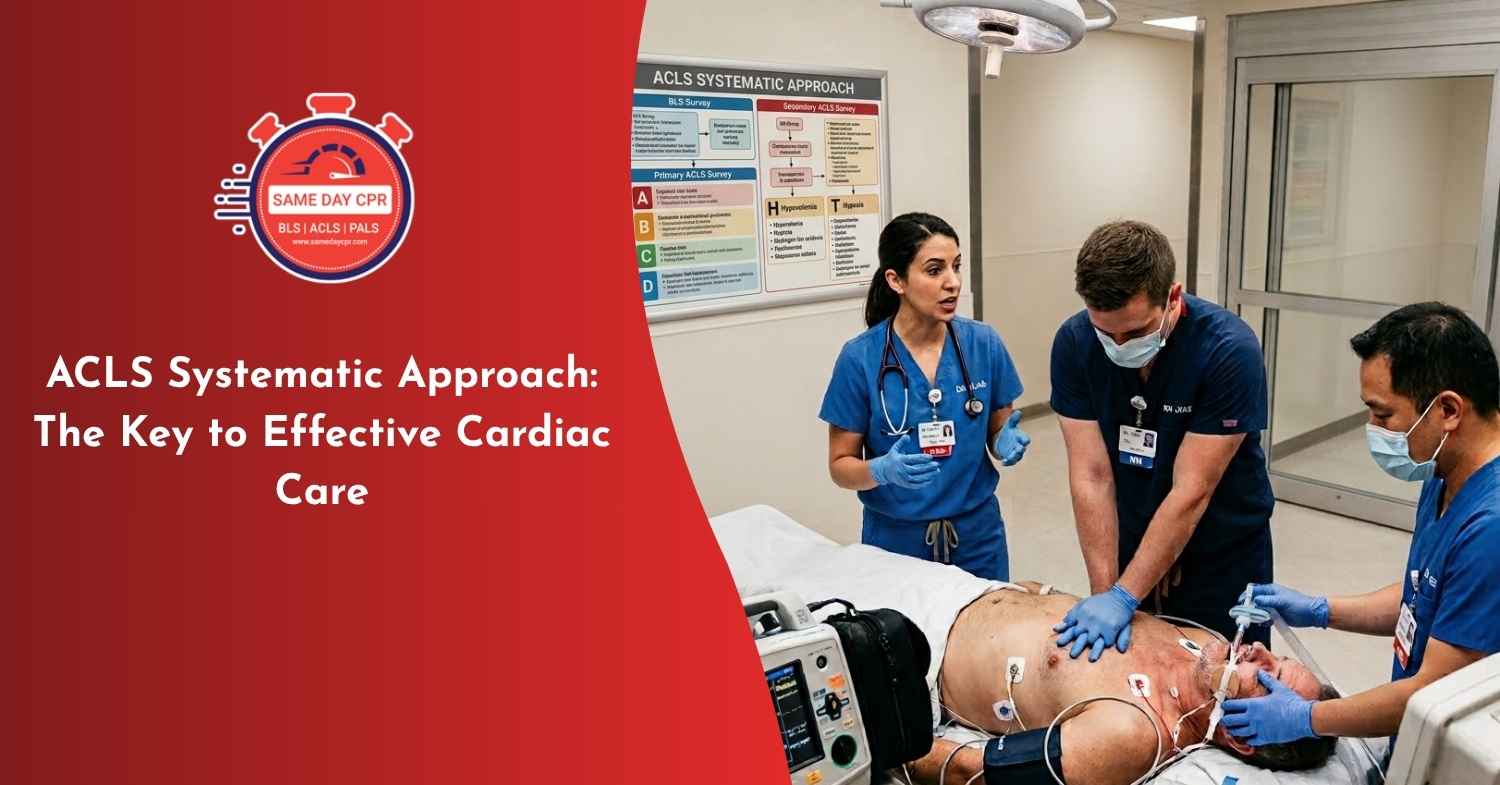



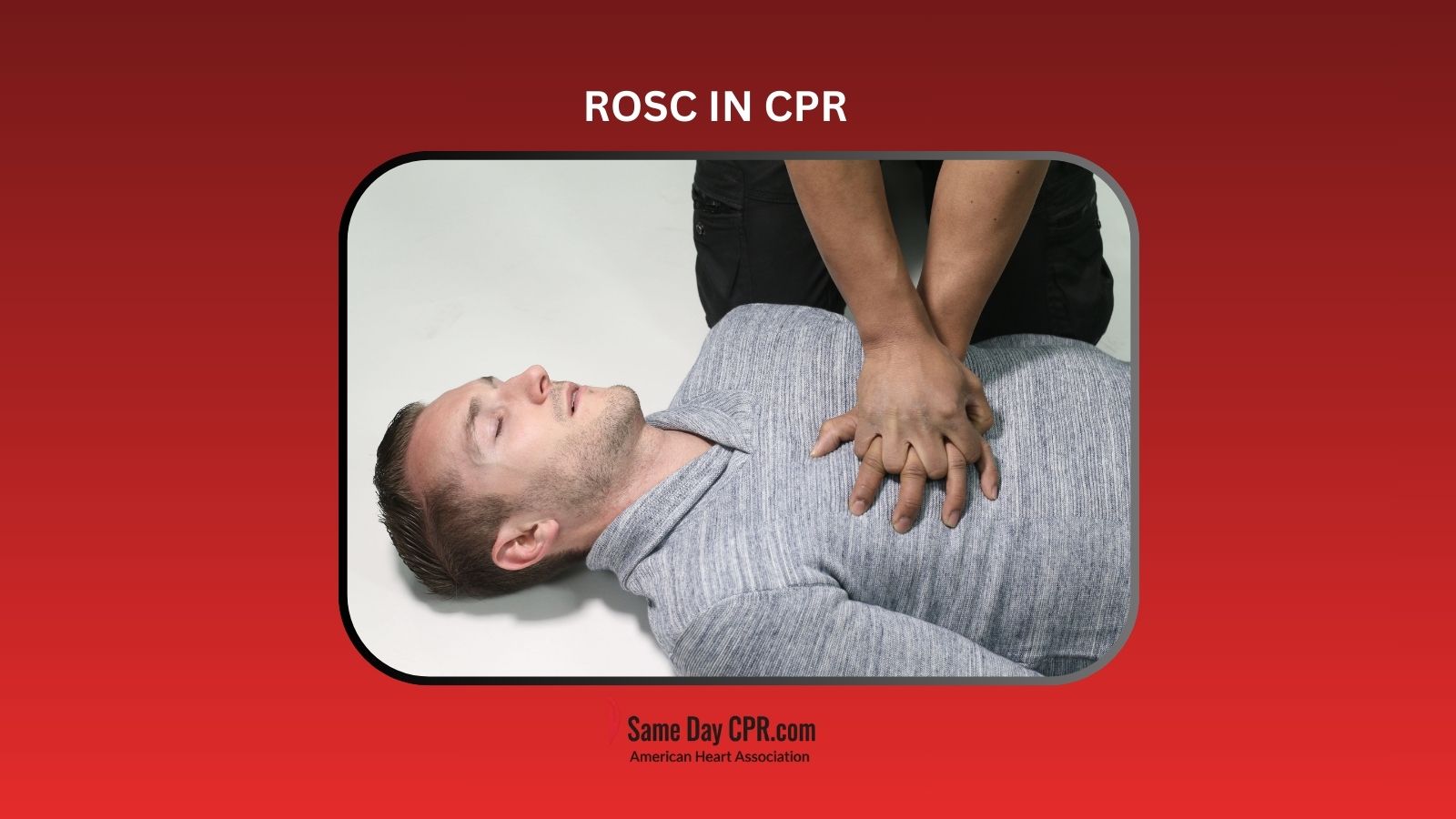
When performing CPR, healthcare providers often hear the term ROSC, which stands for Return of Spontaneous Circulation. Understanding ROSC is essential for anyone involved in emergency care, from paramedics to nurses, medical students, and even trained CPR course participants. This guide explains what ROSC means, how it is recognized, and why it matters in life-saving care.
What Does ROSC Mean?
ROSC occurs when a person’s heart starts beating effectively on its own after a cardiac arrest. Essentially, it marks the point at which circulation is restored without the need for ongoing chest compressions. Achieving ROSC is a key goal during resuscitation efforts because it indicates that blood is once again flowing to vital organs, including the brain and heart.
How Is ROSC Recognized?
Recognizing ROSC is critical for healthcare providers during CPR. Signs include:
- Presence of a Pulse: Detecting a strong, regular heartbeat indicates the heart has resumed pumping effectively.
- Improved Skin Color and Warmth: A patient may regain normal skin tone and warmth as circulation improves.
- Spontaneous Breathing: The patient may begin breathing on their own, though assisted ventilation may still be needed.
- Return of Consciousness: Depending on the duration of cardiac arrest, some patients may respond to verbal or physical stimuli.
It is important to continuously monitor vital signs, as ROSC does not always guarantee stable circulation. Additional medical support, including advanced airway management, medications, and transport to a hospital, is often required.
Factors That Influence ROSC Success
Several factors affect the likelihood of achieving ROSC:
- Immediate CPR: High-quality chest compressions and early defibrillation dramatically improve outcomes.
- Cause of Cardiac Arrest: Patients with shockable rhythms like ventricular fibrillation have higher chances of ROSC.
- Patient Health: Age, existing medical conditions, and overall heart health can influence recovery.
- Time to Intervention: The sooner CPR is initiated, the higher the chances of successful ROSC.
Post-ROSC Care
Once ROSC is achieved, continued medical care is essential to stabilize the patient and prevent further complications. Post-resuscitation care may include:
- Monitoring Heart Function: Continuous ECG monitoring helps detect arrhythmias.
- Blood Pressure Support: Medications may be needed to maintain adequate blood pressure.
- Oxygen Therapy: Ensuring sufficient oxygen supply to vital organs is critical.
- Transport to Advanced Care: Patients often require treatment in a hospital setting with access to specialized cardiac care.
Healthcare providers must remember that achieving ROSC is a critical milestone, but it is not the final step. Comprehensive post-ROSC care plays a vital role in improving survival rates and neurological outcomes.
Why Understanding ROSC Matters
For healthcare professionals and students, understanding ROSC is more than memorizing a term. It guides decision-making during CPR and post-resuscitation care. For CPR course participants, knowing what ROSC looks like can increase confidence in performing effective chest compressions and supporting the patient until advanced help arrives.
ROSC serves as a tangible measure of success during cardiac arrest management. It also highlights the importance of timely intervention, continuous monitoring, and skilled post-resuscitation care.
Key Takeaways
- ROSC stands for Return of Spontaneous Circulation and indicates the heart is pumping effectively after cardiac arrest.
- Recognizing ROSC involves checking for a pulse, breathing, skin color, and responsiveness.
- Immediate, high-quality CPR and early defibrillation increase ROSC success.
- Post-ROSC care is essential for stabilizing the patient and improving outcomes.
- Understanding ROSC helps healthcare providers, students, and CPR-trained individuals perform more effective resuscitation.
Understanding ROSC empowers healthcare professionals and CPR participants to act confidently and effectively during critical emergencies. It is a key concept in resuscitation that bridges immediate CPR efforts with long-term patient care.
FAQs
What does ROSC mean in CPR?
ROSC stands for Return of Spontaneous Circulation. It occurs when a person’s heart starts beating effectively on its own after cardiac arrest, meaning blood is once again flowing to vital organs without the need for ongoing chest compressions.
How is ROSC recognized during CPR?
ROSC is recognized by several signs, including: presence of a strong pulse, improved skin color and warmth, spontaneous breathing (even if assisted ventilation is still needed), and return of consciousness or responsiveness to verbal or physical stimuli.
What factors influence the success of achieving ROSC?
Key factors include: immediate high-quality CPR and early defibrillation, the cause of cardiac arrest (shockable rhythms like VF have higher success rates), patient health (age and pre-existing conditions), and time to intervention (the sooner CPR starts, the higher the chances).
What happens after ROSC is achieved?
Post-ROSC care is essential and includes: continuous ECG monitoring to detect arrhythmias, blood pressure support with medications, oxygen therapy, and transport to advanced care (hospital setting) for specialized cardiac treatment.
Is ROSC the same as survival?
No. ROSC is a critical milestone indicating the heart has restarted, but it is not the final step. Comprehensive post-ROSC care is vital for improving survival rates and neurological outcomes. The patient remains at risk of re-arrest or complications.
Why does ROSC matter in cardiac arrest management?
ROSC matters because it serves as a tangible measure of success during resuscitation. It guides decision-making for healthcare providers, highlights the importance of timely CPR and defibrillation, and bridges immediate emergency efforts with long-term patient care.
7. How does achieving ROSC affect patient outcomes?
Achieving ROSC significantly improves chances of survival, especially when followed by proper post-resuscitation care. However, the duration of cardiac arrest and quality of CPR directly impact neurological recovery and long-term health outcomes.