

Advanced Cardiac Life Support (ACLS) is one of the most important skills for healthcare professionals who respond to life-threatening emergencies. Within ACLS, the Megacode scenario is a key part of training and certification. It tests how providers handle real-life situations involving cardiac arrest, arrhythmias, and other critical conditions. To pass the Megacode, a provider needs to show not only knowledge of the ACLS algorithms but also strong teamwork, communication, and leadership.
In this guide, we will explore what the ACLS Megacode is, why it is important, what to expect during the test, and how to prepare for it effectively.
What Is the ACLS Megacode?
The ACLS Megacode is a simulated case scenario that is used in ACLS courses. It usually involves a patient, represented by a manikin or simulator, who is experiencing a life-threatening condition such as cardiac arrest, ventricular fibrillation, pulseless ventricular tachycardia, pulseless electrical activity (PEA), or asystole.
The goal of the Megacode is to test whether a healthcare professional can apply ACLS knowledge and skills in a real-world situation. This includes performing high-quality CPR, using a defibrillator, giving the correct medications, and making the right decisions under pressure.
Why Is the ACLS Megacode Important?
The Megacode is not just a test. It is designed to make sure providers are ready to save lives in critical moments. In hospitals, emergency rooms, and even outside medical settings, cardiac arrest can happen suddenly. Healthcare providers must be able to recognize the problem quickly, start the right treatment, and work as a team to give the patient the best chance of survival.
The Megacode focuses on:
- Clinical knowledge: Understanding ACLS algorithms and knowing which steps to take.
- Practical skills: Performing CPR, managing the airway, and using defibrillation effectively.
- Decision-making: Choosing the correct intervention at the right time.
- Communication: Giving clear instructions and working well with the team.
Structure of the ACLS Megacode
While the exact scenario may vary depending on the instructor or the course, most Megacode cases follow a similar structure. Here is what you can expect:
1. Patient Presentation
The scenario begins with a patient who may show symptoms such as chest pain, shortness of breath, or collapse. The participant must assess the patient, check responsiveness, pulse, and breathing, and call for help if needed.
2. Initial Response
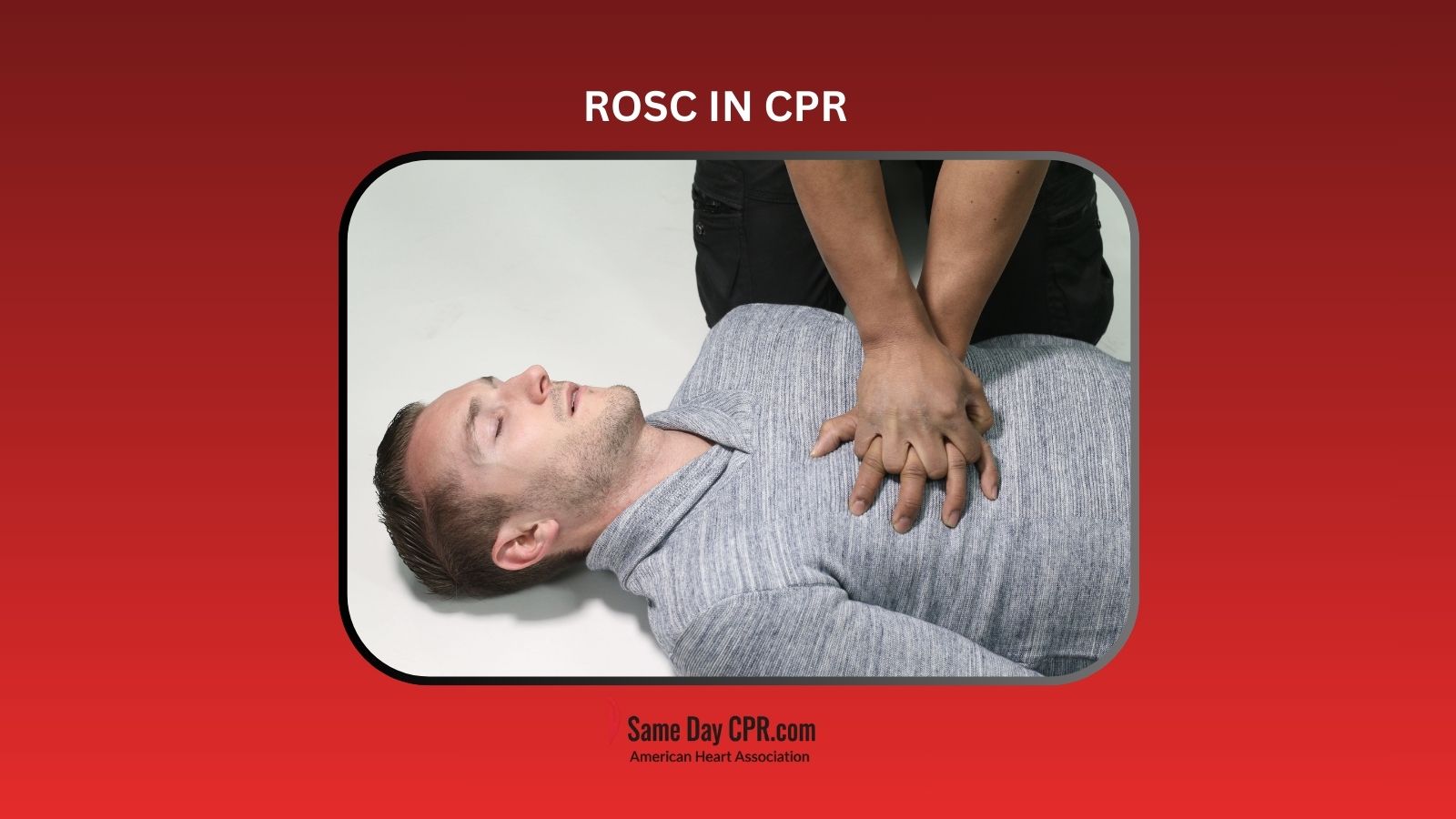
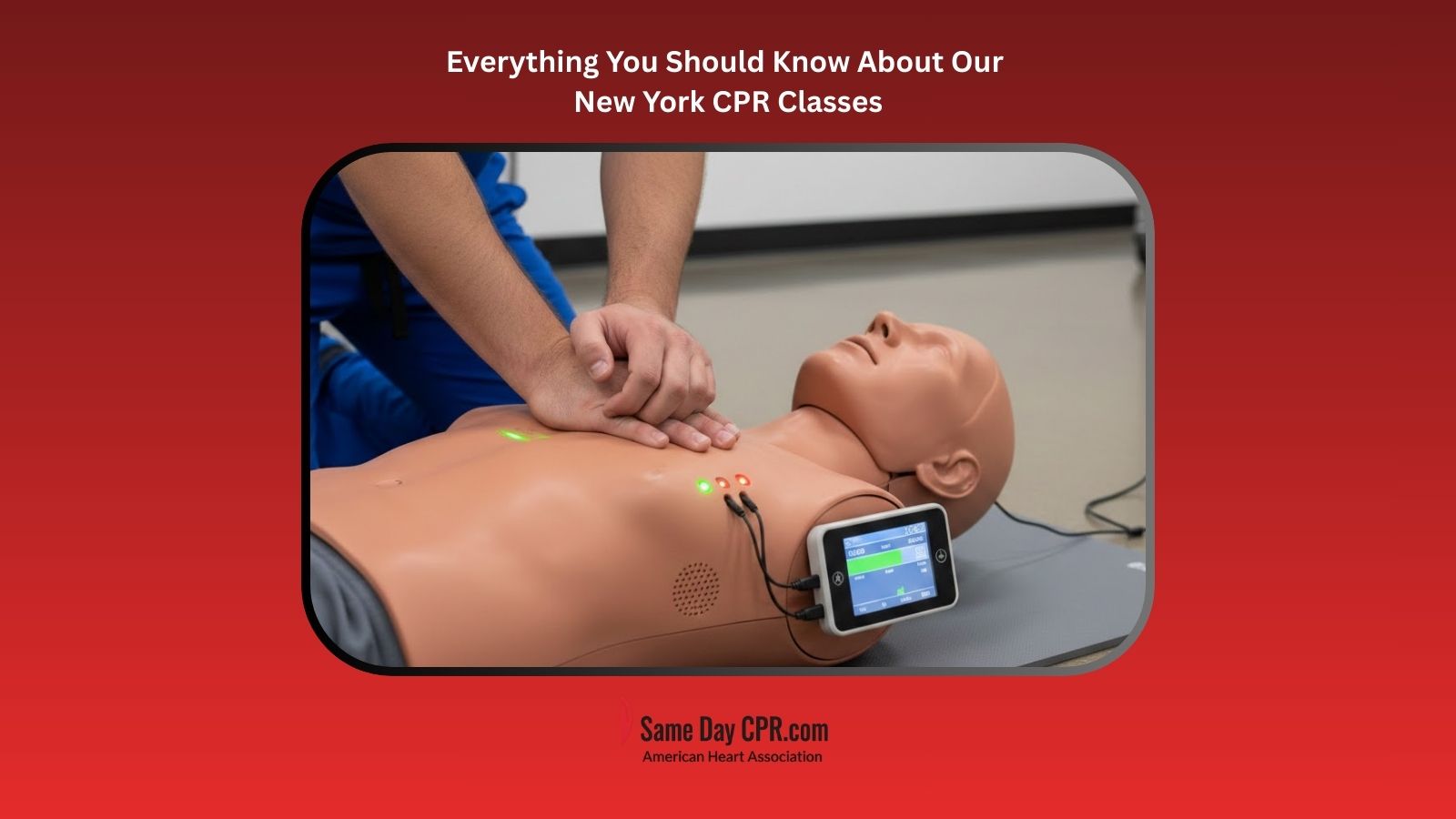
The provider begins high-quality CPR if the patient has no pulse. This includes chest compressions at the correct rate and depth, along with rescue breaths if required. If a defibrillator is available, it must be applied right away.
3. Rhythm Recognition
One of the most important parts of the Megacode is reading the rhythm on the monitor. The provider must correctly identify whether it is ventricular fibrillation, pulseless ventricular tachycardia, asystole, PEA, or another rhythm.
4. Treatment According to Algorithms
Once the rhythm is identified, the provider follows the ACLS algorithm for that specific condition. For example:
- Ventricular fibrillation or pulseless VT: Immediate defibrillation, CPR, epinephrine, and amiodarone.
- Asystole or PEA: High-quality CPR, epinephrine, and searching for reversible causes.
5. Medication Administration
Participants must know the correct medications, doses, and timing. Common drugs include epinephrine, amiodarone, and sometimes atropine for specific rhythms.
6. Team Leadership and Communication
The Megacode evaluates how well the leader directs the team. Clear instructions, assigning roles, and keeping track of time are all part of the test.
7. Return of Spontaneous Circulation (ROSC)
If the simulated patient regains a pulse, the provider must shift to post-cardiac arrest care. This includes stabilizing the airway, monitoring vital signs, and preparing for transport or intensive care.
Common Scenarios in the ACLS Megacode
Participants may face different case scenarios during the Megacode. Some of the most common include:
- Ventricular Fibrillation: A chaotic heart rhythm requiring defibrillation.
- Pulseless Ventricular Tachycardia: Fast rhythm without a pulse that also requires defibrillation.
- Asystole: A flatline rhythm treated with CPR and medications.
- PEA (Pulseless Electrical Activity): Electrical activity without a pulse, often caused by underlying issues.
- Bradycardia or Tachycardia: Slow or fast rhythms that may require pacing, cardioversion, or medication.
Skills You Need to Pass the Megacode
To succeed in the ACLS Megacode, you must master both technical and non-technical skills:
Technical Skills
- Performing CPR with correct depth, rate, and recoil.
- Using a bag-mask device effectively.
- Operating an AED or manual defibrillator.
- Giving medications correctly and safely.
- Recognizing cardiac rhythms accurately.
Non-Technical Skills
- Leading the team with confidence.
- Giving clear, concise directions.
- Staying calm under stress.
- Working with others to ensure smooth teamwork.
Tips for Preparing for the ACLS Megacode
Passing the Megacode requires preparation and practice. Here are some effective tips:
1. Know the Algorithms
Study the ACLS algorithms thoroughly. These are the step-by-step guides for treating cardiac arrest, arrhythmias, and related emergencies. Being able to recall them quickly is essential.
2. Practice Rhythm Recognition
Spend time reviewing ECG rhythms. Be able to identify ventricular fibrillation, pulseless VT, asystole, PEA, bradycardia, and tachycardia without hesitation.
3. Review Medication Doses
Memorize the standard medications and their doses, such as:
- Epinephrine: 1 mg every 3 to 5 minutes during cardiac arrest.
- Amiodarone: 300 mg IV/IO for the first dose in refractory VF/VT.
- Atropine: 1 mg IV for bradycardia, repeated every 3 to 5 minutes, up to 3 mg total.
4. Practice CPR Skills
High-quality CPR is the foundation of ACLS. Ensure your compressions are at the right depth and rate. Switch providers when fatigued.
5. Work on Communication
Practice giving short, clear instructions like “Start compressions,” “Prepare epinephrine,” or “Charge to 200 joules.” This builds confidence and shows leadership.
6. Simulate Scenarios
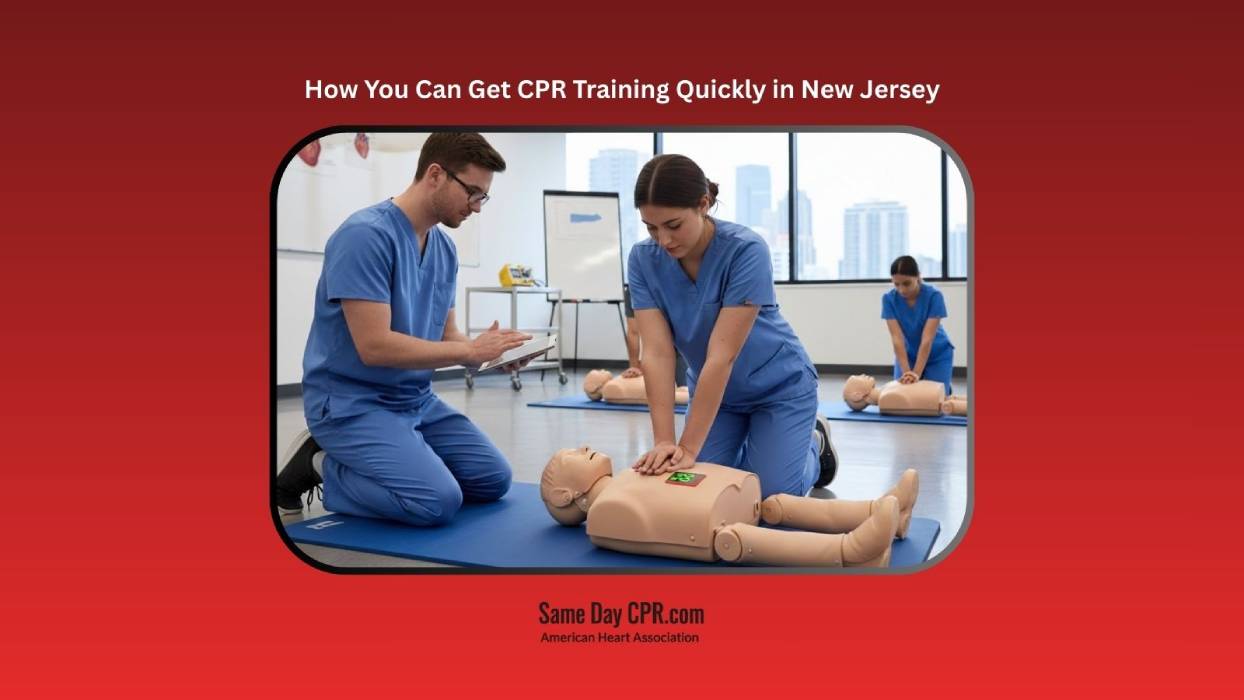
If possible, practice with colleagues or in a simulation lab. The more you rehearse realistic situations, the more comfortable you will be during the test.
How the ACLS Megacode Is Scored
Instructors use a checklist to score the Megacode. They watch how you assess the patient, perform CPR, identify rhythms, give medications, and lead the team. Missing a step or giving the wrong medication could cost points, but the main goal is to see that you can manage the situation safely and effectively.
Mistakes to Avoid in the Megacode
Many participants fail the Megacode due to common errors. Some mistakes to avoid are:
- Forgetting to check for a pulse before starting CPR.
- Not recognizing the rhythm correctly.
- Giving the wrong medication or dose.
- Not calling for help early.
- Poor communication with the team.
Avoiding these mistakes will improve your chances of passing and, more importantly, prepare you to handle real emergencies.
The Role of Teamwork in the Megacode
One of the strongest lessons from the ACLS Megacode is that saving a patient is not a one-person job. A team leader must guide, but the success of resuscitation depends on good teamwork. Clear roles, mutual support, and trust help the team perform at its best. In real emergencies, effective teamwork can make a major difference in patient outcomes.
Final Thoughts
The ACLS Megacode is more than a certification requirement. It is a test of how well healthcare providers can respond when a patient’s life is in danger. By mastering algorithms, practicing CPR, learning medications, and improving teamwork, you can perform confidently during the Megacode and in real-life emergencies.
Preparation and practice are the keys to success. The more comfortable you are with the steps of ACLS, the more confident you will be in leading a team during the Megacode. Passing this test shows that you are ready to provide advanced care when it is needed most.
Achieve your AHA certification efficiently through Same Day CPR. Complete your ACLS, BLS, PALS, CPR, or First Aid certification in a single day by finishing the online course first, then attending a quick, 30-minute hands-on session at a center near you. Receive your certification card on the spot. For registration and more info, visit our Locations or Classes page.