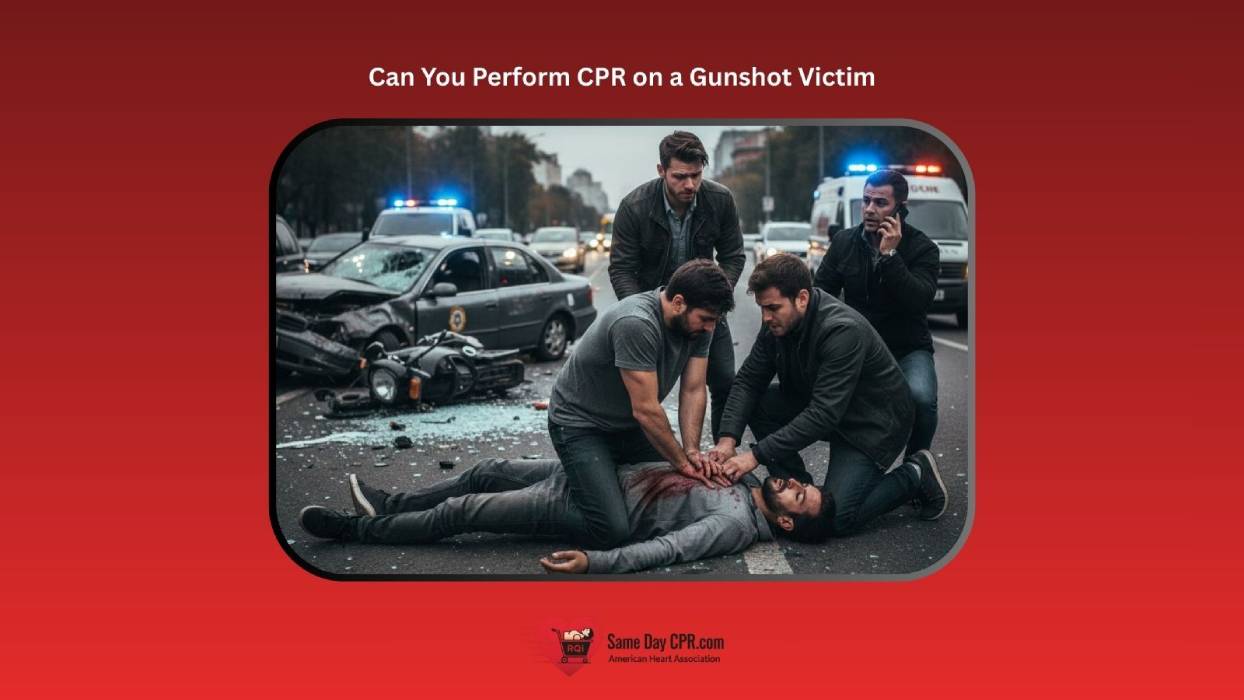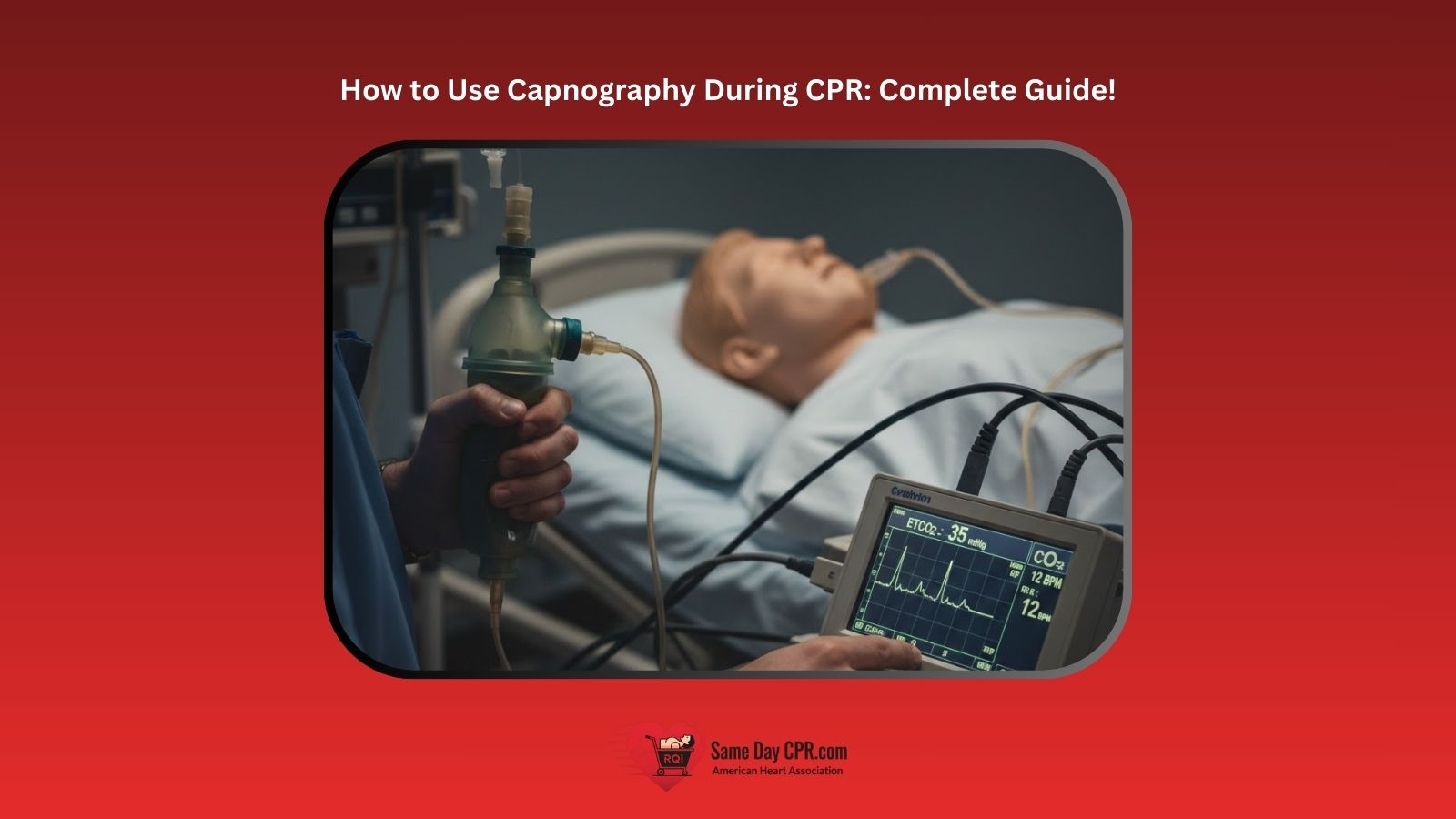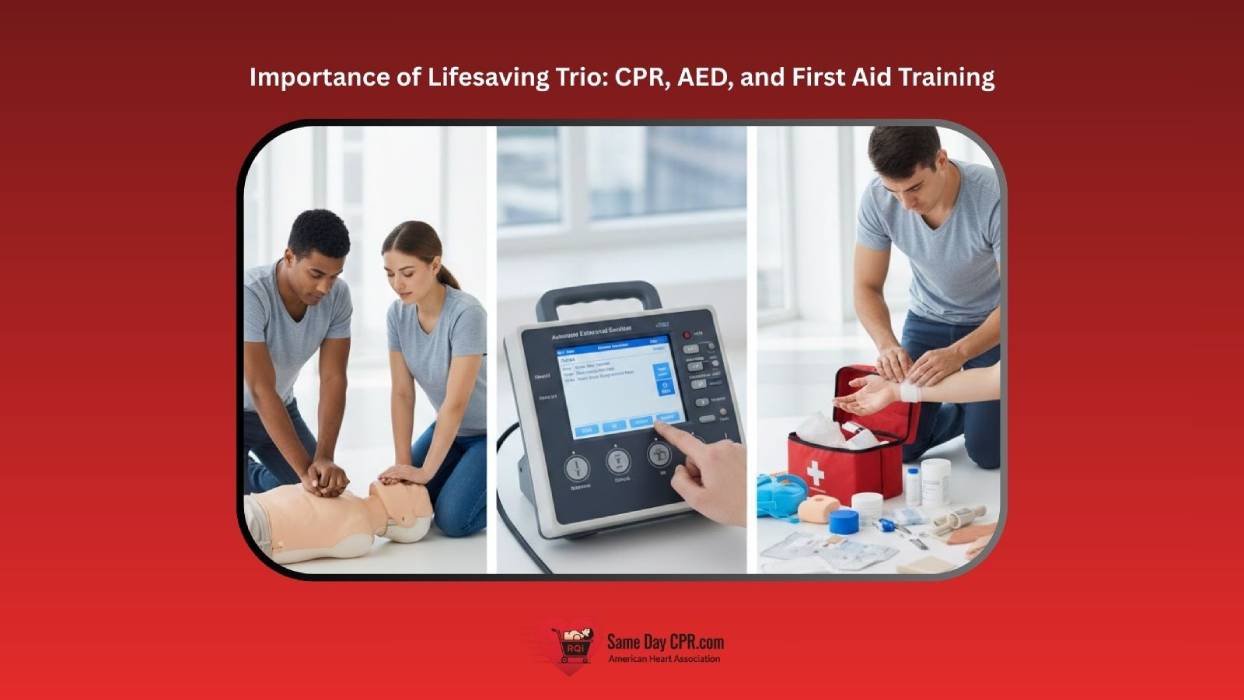
The Lifesaving Trio, CPR, AED, and First Aid, works best when used together because each component addresses a critical step in an emergency. CPR and AED focus on restoring and maintaining a person’s heartbeat and blood flow, which significantly increases survival chances during sudden cardiac arrest. However, medical emergencies often involve injuries or conditions beyond heart issues, and this is where First Aid fills the gaps, providing immediate care for bleeding, burns, fractures, or choking while waiting for professional help. In real-world situations, the trio often works in harmony: for example, a bystander may perform CPR while another retrieves and operates an AED, and a third applies First Aid to control bleeding from an accompanying injury. When combined, these skills create a comprehensive, life-saving response that maximizes the chance of survival and recovery.
Explanation of the Lifesaving Trio
Learning a few lifesaving skills can make a big difference in an emergency. CPR, AED, and First Aid give you the tools to help someone in need right away.
1. CPR (Cardiopulmonary Resuscitation)
CPR (cardiopulmonary resuscitation) is a vital lifesaving technique designed to keep oxygen-rich blood flowing to the brain and other vital organs when the heart stops beating. Its primary purpose is to buy time until professional help or an AED can restore a normal heart rhythm. During CPR, chest compressions, and in some cases, rescue breaths, manually circulate blood throughout the body. These compressions mimic the heart’s pumping action, delivering oxygen to critical organs and reducing the risk of permanent brain damage or death. CPR should be performed immediately if a person collapses suddenly and is unresponsive, shows no normal breathing or only gasps, or has no detectable pulse. Even untrained bystanders are encouraged to perform hands-only CPR, as prompt action can double or even triple a victim’s chance of survival. Also, understand when to stop pushing on the victim’s chest during hands-only CPR.
2. AED (Automated External Defibrillator)
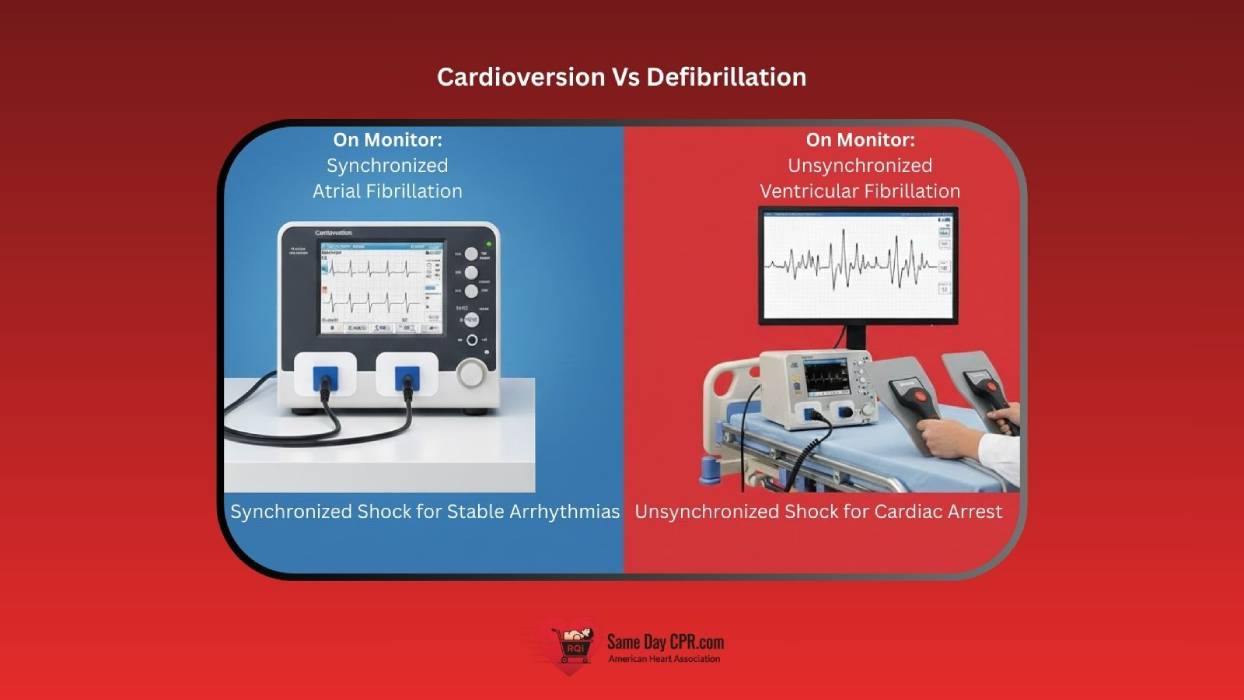
An AED, or Automated External Defibrillator, is a portable device designed to treat sudden cardiac arrest by delivering an electrical shock to the heart. When the heart’s rhythm becomes irregular or stops, the AED analyzes the heart’s activity and determines whether a shock is needed to restore a normal heartbeat. By sending a controlled electrical pulse, the device can reset the heart’s rhythm, giving the person a much higher chance of survival. AEDs are extremely user-friendly, often providing clear voice instructions and visual prompts, which means that even untrained bystanders can operate them safely and effectively during an emergency. It’s also important to know when you should clear the victim while operating the AED to ensure the shock is delivered safely.
3. First Aid
First Aid refers to the immediate care provided to someone who is injured or suddenly ill, before professional medical help arrives. It covers a wide range of situations, including bleeding control, burns, fractures, choking, allergic reactions, and minor injuries. Quick, initial care is crucial because it can prevent conditions from worsening, reduce pain, and in some cases, save a life. Common scenarios where First Aid makes a difference include stopping severe bleeding from a cut, helping someone who is choking, stabilizing a broken bone until medical help arrives, or managing a burn to reduce tissue damage. When you know even basic First Aid techniques, you can act confidently in emergencies and significantly improve outcomes for the injured or ill person.
Benefits of Learning CPR, AED, and First Aid
Learning the Lifesaving Trio doesn’t just make you more prepared; it gives you the confidence and skills to truly make a difference in emergencies. Here are the top benefits.
1. Save Lives
Knowing CPR, how to use an AED, and basic First Aid can directly save lives. When someone collapses or gets hurt, your quick response can prevent serious injury and give them a chance to recover. Being prepared turns panic into action.
2. Builds Confidence in Emergencies
Learning these skills makes you feel ready and capable. You won’t freeze or hesitate when an emergency happens. Confidence comes from knowing exactly what to do and how to do it safely.
3. Reduces Workplace and Community Risks
Trained individuals make any environment safer. Whether at work, school, or in public spaces, your knowledge can reduce accidents and ensure injuries are handled quickly before they get worse.
4. Empowers People to Act Instead of Waiting for EMS
Emergencies can happen anywhere, and help may take time to arrive. When you step in with CPR or First Aid, you provide critical support right away. Acting fast can prevent small problems from becoming serious.
5. Helps Protect Family, Coworkers, and the Public
These skills are not just for strangers. They help you care for loved ones, colleagues, and anyone nearby. Being trained means you can make a positive difference for the people around you every day.
You can also practice CPR, AED & First Aid Practice Test, which is a set of 25 questions and answers designed to help you strengthen your knowledge and prepare effectively for real-life emergencies.
Common Facts and Myths About CPR, AED, and First Aid
Even though CPR, AED, and First Aid are lifesaving skills, many people hesitate to act because of myths or misunderstandings. Here are a few myths and facts about it.
Myth: Only medical professionals can perform CPR or use an AED
Fact: Anyone can learn these skills. CPR and AED use are designed for everyday people. Training programs make it easy to understand and practice safely.
Myth: I might get sued if something goes wrong
Fact: Most places have Good Samaritan laws that protect people who help in emergencies. If you’re wondering you will be charged if the person you administer CPR to does not survive, these laws generally shield you as long as you act in good faith. The law encourages and supports you when you help someone in a true emergency.
Myth: AEDs are too complicated to use
Fact: Modern AEDs are simple. They give step-by-step voice instructions, so even beginners can use them confidently.
Myth: CPR is dangerous and might hurt the person
Fact: While chest compressions can sometimes cause minor injuries like rib bruising, the risk is far lower than the risk of not acting at all. CPR saves lives.
Who Should Take This Training
Learning CPR, AED, and First Aid is valuable for anyone who wants to help in an emergency. These skills give you the confidence to protect family, friends, coworkers, and the people around you.
1. Parents and Caregivers
Parents and caregivers often respond first when a child gets hurt or suddenly becomes unresponsive. Training helps them stay calm and take the right steps to protect the little ones in their care.
2. Teachers, Coaches, and Youth Leaders
Kids rely on the adults who guide them every day. When teachers, coaches, and youth leaders know CPR, AED, and First Aid, they can handle injuries, choking, or unexpected emergencies with confidence.
3. Workplace Employees
Accidents can happen on any job. Trained employees can respond immediately, keep coworkers safe, and prevent small injuries from becoming serious. Having a trained staff also fosters a safer work culture.
4. Healthcare-Social Workers
These professionals often support people in vulnerable situations. With CPR, AED, and First Aid knowledge, they can assist quickly when a medical emergency occurs, adding another layer of care for the communities they serve.
5. Senior Caregivers
Those caring for older adults play a key role in responding to falls, choking, or sudden health issues. Understanding why CPR training matters for senior caregivers helps highlight how essential these skills are. Training empowers them to act quickly and confidently, giving seniors the support they need during emergencies.
Final Thoughts on the Lifesaving Trio
In short, the lifesaving trio of CPR, AED, and First Aid training gives everyday people the power to step in and help during emergencies. These skills create safer homes, workplaces, and communities, and they prepare you to support someone when they need it most. Now is a great time to take a class and build the confidence to act when it truly matters.
Same Day CPR is here to guide you every step of the way. We offer CPR, AED, First Aid, BLS, ACLS, and PALS training through hands-on sessions that focus on practical skills. Students learn with realistic equipment and clear instruction in a supportive setting that encourages questions and strengthens good habits. Training is available in Delaware, District of Columbia, Georgia, Maryland, Missouri, New Jersey, New York, North Carolina, Pennsylvania, South Carolina, Texas, and Virginia. Find our locations, choose the one closest to you. Take the first step today and be ready to make a difference.