

Emergencies can happen suddenly at work, on the road, or at home. Whether it’s a serious injury or an immediate hazard like a fire or chemical spill, knowing what to do in those first moments can make a significant difference. In any injury or environmental emergency, stay calm, think clearly, and act to prevent more harm. Start by checking if anyone is safe and call for help immediately if needed. Before providing first aid, it’s important to know what you are legally required to do before you touch a person when responding to an emergency, and always follow local guidelines or instructions from emergency responders.
Keep the injured person still and comfortable, monitor their breathing and alertness, and don’t move them unless there is an immediate danger. If the scene is unsafe, wait for trained responders and move yourself to safety. Collect details about what happened, how many people are affected, and any known medical conditions, then share that information to assist responders. Stay with the person, reassure them, and follow any instructions you receive from authorities.
Types of Environmental Emergencies
Environmental emergencies occur unexpectedly and can impact many people. We can stay safer by understanding common types and knowing how to respond quickly. Being prepared, calm, and cautious helps everyone get through these events.
1. Natural Disasters
Natural disasters are environmental emergencies triggered by natural factors. They often cause extensive damage and can arrive suddenly or develop over time. Types include earthquakes, storms, floods, tsunamis, wildfires, and volcanic eruptions. Each calamity carries distinct hazards and demands its own response plan. For instance, a storm may require evacuation or strong shelter-in-place measures; an earthquake necessitates quickly taking cover to avoid falling debris. These disasters can quickly escalate into life-threatening crises, especially when they lead to secondary hazards such as landslides, dam failures, or disease outbreaks.
2. Man-made/Technological Emergencies
Man-made or technological emergencies happen when human actions or machines cause serious problems that put people in danger. These can include things like factory accidents, chemical spills, building collapses, or large power outages. Sometimes they start because of mistakes, equipment failure, or even unsafe choices. What makes these situations especially stressful is that they can affect many people at once and often happen without warning. That’s why it’s so important for communities to prepare, respond quickly, and learn from each event so safety can be improved in the future.
3. Other Environmental Emergencies
Other environmental emergencies can also place people at risk in everyday life. Extreme heat or cold can quickly harm the body, leading to dehydration, frostbite, or heatstroke if help is not given in time. Water emergencies, such as flooding, strong currents, or accidents while swimming, often happen suddenly and require fast action to keep people safe. Encounters with wild or stray animals can also be dangerous, whether from bites, stings, or diseases they may carry. Staying alert, knowing how to respond, and practicing basic safety habits can make a big difference in reducing harm during these events.
Common Injuries Resulting from Environmental Emergencies
Environmental emergencies often lead to different kinds of injuries that affect people in serious ways. These injuries can range from mild to life-threatening, depending on the situation. Knowing what they are helps us prepare and respond more effectively when they happen.
1. Temperature-Related
- Hypothermia: A severe decrease in body temperature that results in shivering, confusion, and chilled skin.
- Frostbite: Freezing of the skin and deeper tissues, often in fingers, toes, or ears, leading to numbness and possible tissue injury.
- Heatstroke/Hyperthermia: A critical emergency in which the body loses its ability to control temperature, causing dangerously high heat levels and potential organ failure.
2. Water-Related
- Near-drowning: Breathing in water, which may cause breathing difficulties and changes in alertness.
- Diving-related injuries: Including pressure-related injuries (barotrauma) from changes in pressure, and decompression sickness.
3. Chemical and Environmental
- Poisoning/Inhalation: Exposure to toxic plants, chemicals, or smoke can cause various symptoms or severe tissue damage.
- Burns: Often associated with fires or contact with extreme heat or chemicals, and can sometimes be accompanied by inhalation injuries. Knowing what to do if someone is on fire is crucial for immediate safety and effective first aid.
4. Other Environmental Factors
- Lightning Injury: Can cause burns (often a “feathering” pattern) and other complex diagnostic and treatment issues.
- Envenomation: Bites or stings from venomous animals such as snakes, insects, or marine life, requiring immediate medical attention.
- Electrical Injuries: Direct contact with exposed electrical wires can lead to burns and other serious injuries.
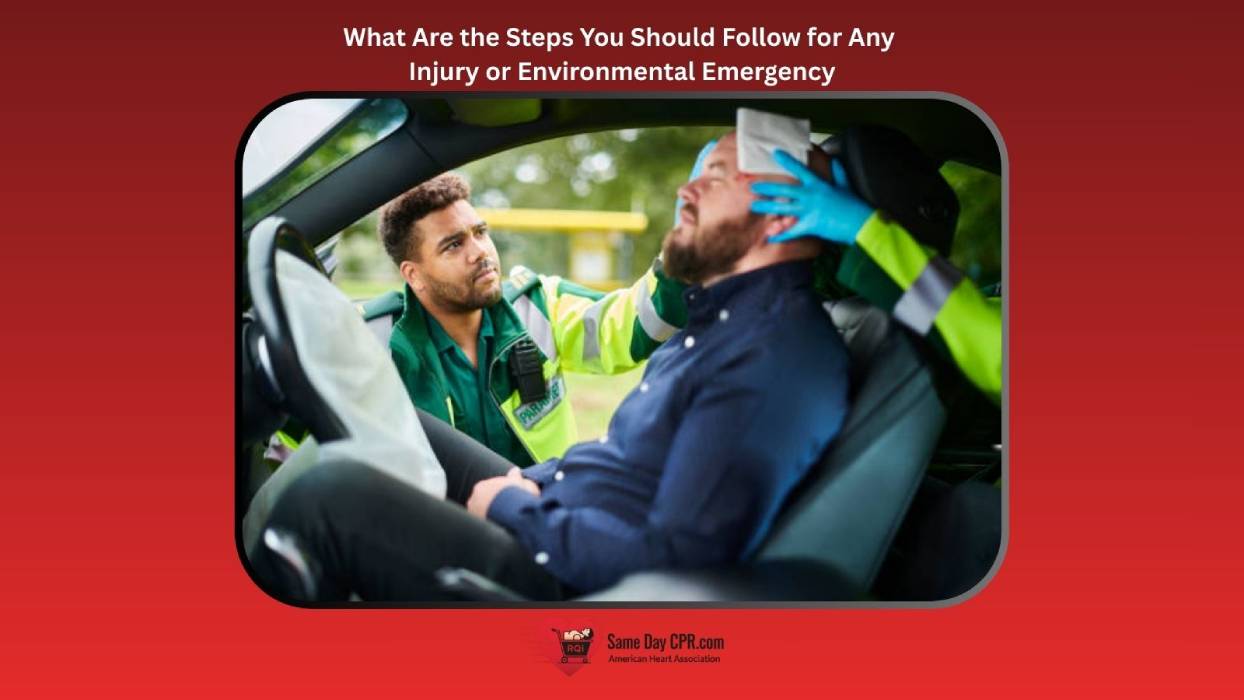
Steps to Follow for Any Injury or Environmental Emergency
Being prepared to act during an environmental emergency can minimize harm and protect lives. These general steps create a solid foundation for an effective response and are relevant to most types of disasters.
Step 1: Ensure Scene Safety
The very first thing you should do in any emergency is take a quick look around to make sure the area is safe. Check for things like busy traffic, fire, live wires, falling debris, or even harsh weather conditions. Your safety comes first because you can’t help if you get hurt too. Stay calm and think, “Can I safely reach this person?” Only move them if they’re in clear and immediate danger, such as being in the path of fire or heavy traffic. Otherwise, it’s best to keep them where they are until help arrives.
Step 2: Assess the Situation
After making sure the scene is safe, take a moment to understand what’s happening. Look at the situation and figure out the type of emergency. Is it an injury, like a cut, burn, or broken bone, or is it something caused by the environment, such as heatstroke, extreme cold, or poisoning? Take note of how many people need help and how serious their condition seems. This quick assessment will help you decide right away if you need to call professional help without delay.
Step 3: Call for Help
Once you know what’s happening, it’s time to get help. Dial 911 or your local emergency number right away if the situation is serious. Be ready to give clear information: your exact location, the type of emergency, how many people need help, and what condition they are in. If you are not alone, ask someone you trust to make the call so you can stay with the person who needs care. Clear communication and quick action can make a big difference.
Step 4: Check Responsiveness and Breathing
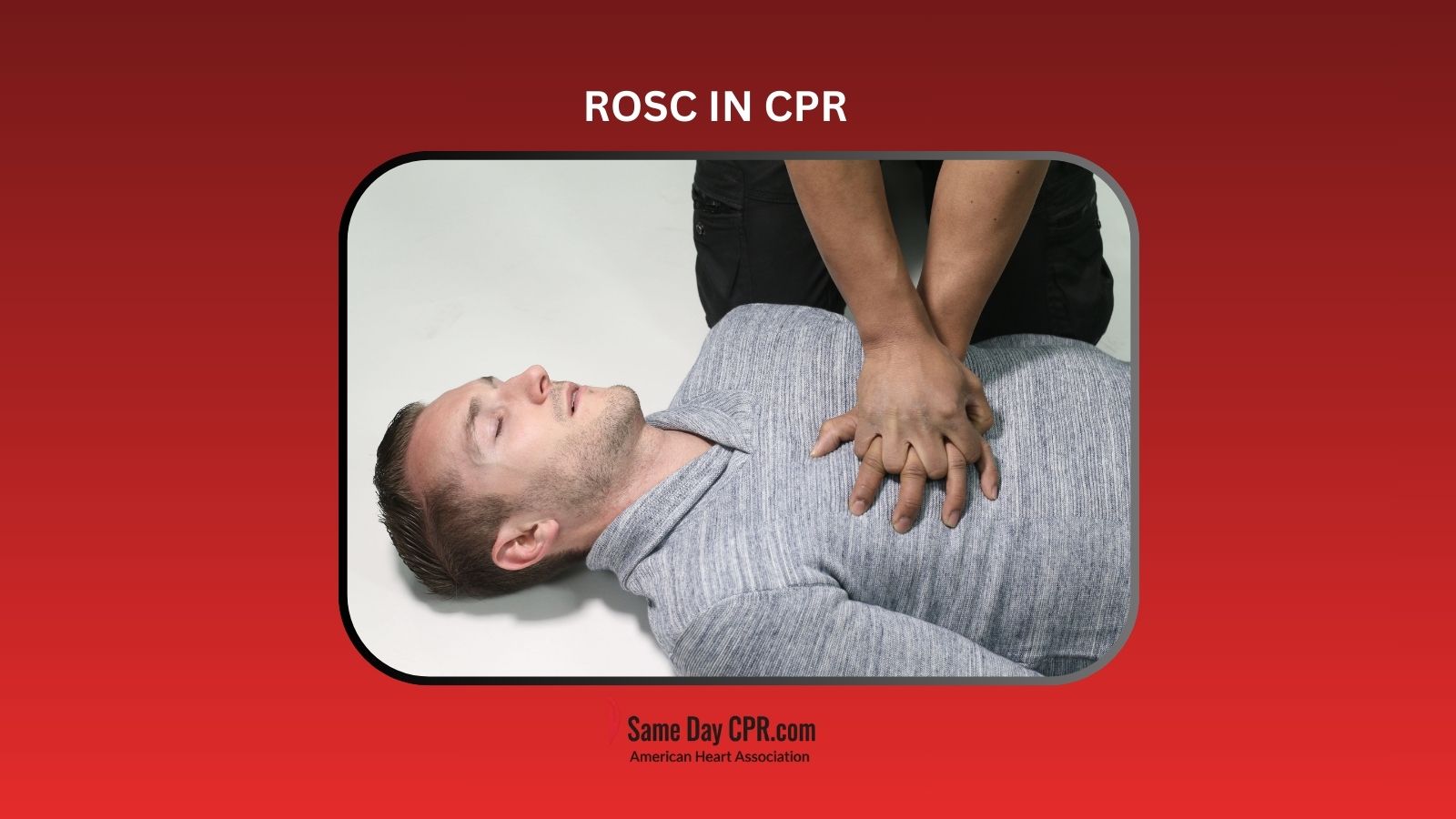
After calling for help, carefully approach the person. Gently tap their shoulder and speak loudly, asking, “Are you okay?” Take a moment to see if they respond and check if they are breathing normally. If they do not respond and their breathing is abnormal or absent, start CPR right away. Acting quickly can give them the best chance of survival.
Step 5: Provide Basic First Aid or Life Support
Once you’ve checked responsiveness and breathing, give the care the person needs.
1. For life-threatening conditions:
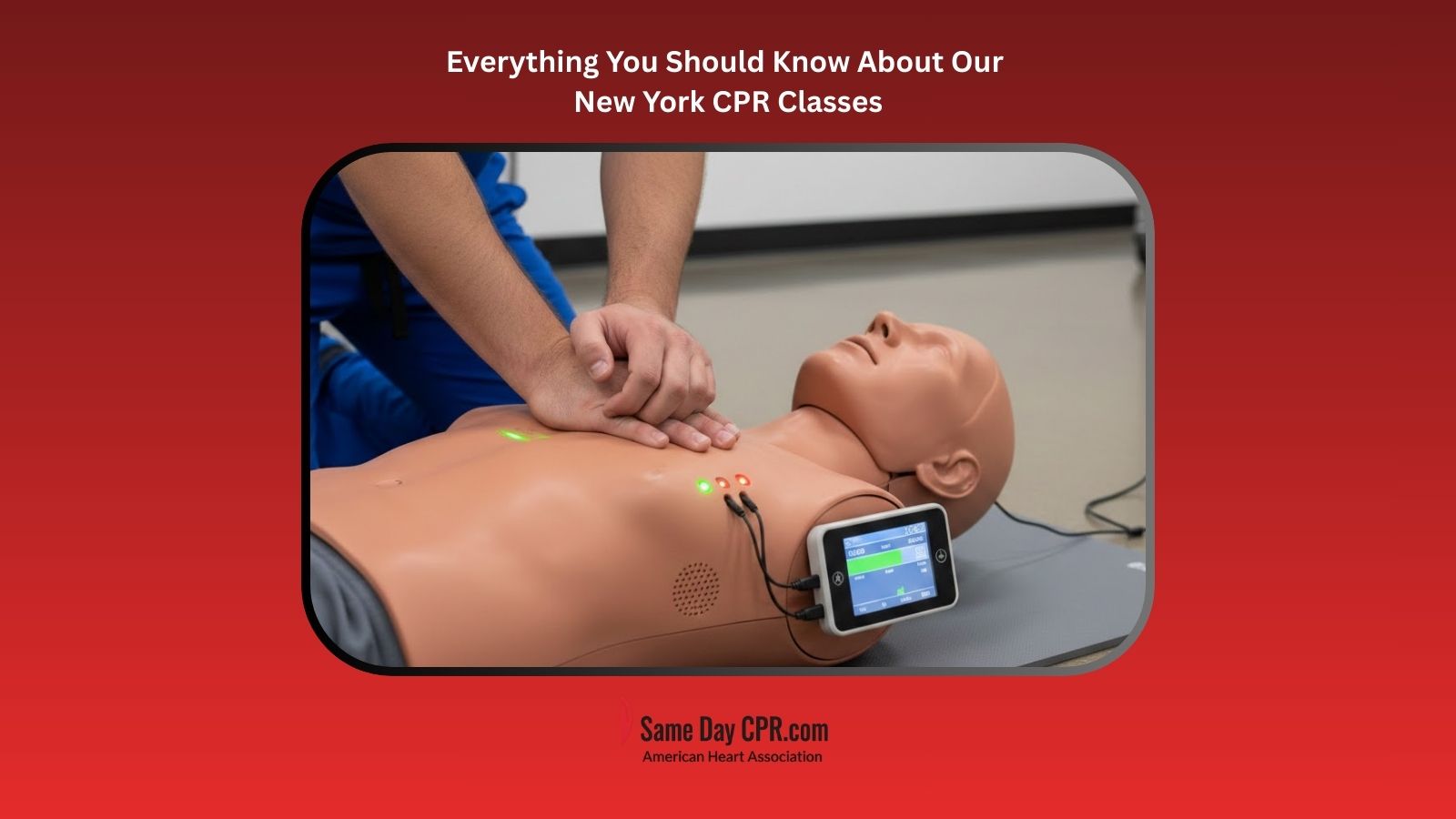
If the situation is life-threatening, start CPR immediately and use an AED if one is nearby. Learn more about when the rescuer operating the AED should clear the victim to ensure safe and effective defibrillation.
2. For non-life-threatening injuries:
For injuries that aren’t immediately life-threatening, you can take simple steps to help. Press firmly on any bleeding wounds to control bleeding, keep broken bones or sprains still, cool burns with clean water, and move the person out of dangerous conditions, like into the shade during heatstroke. Providing calm, timely care can make a big difference while waiting for professional help.
Step 6: Monitor the Person’s Condition
After giving first aid or life support, keep a close eye on the person’s condition. Watch their breathing, level of consciousness, and pulse if you know how. Be ready to act if things change, start CPR again if they stop breathing or gently roll them onto their side in the recovery position if they vomit. Stay calm and talk to them, offering reassurance. Your presence and attention can help them feel safer until professional help arrives.
Step 7: Prevent Further Harm
Once the person is stable, focus on preventing any further harm. Don’t move them unless necessary, especially if you suspect a spinal injury. Keep them comfortable and protected from the elements by using a blanket or moving them to shelter. If you have gloves or a mask, use them to protect yourself and the person from infection or contamination. Small precautions now can make a big difference in their recovery.
Step 8: Document the Incident
After the situation is under control, take a moment to document what happened. Write down the time of the incident, what injuries or symptoms you observed, the care you provided, and any changes in the person’s condition. Include details like when emergency services were called and what instructions you received. Clear documentation helps medical professionals give the best follow-up care and can be important for reports or insurance purposes.
Step 9: Wait for Professional Help
After you’ve done everything you can, stay with the person until professional help arrives. Keep them calm and safe, and be ready to explain exactly what happened and the care you have given. Listen to the instructions of emergency responders and follow their guidance. Your presence and clear information can make their job easier and improve the person’s chances of a full recovery.
Importance of CPR and First Aid in Injuries and Emergencies
Learning CPR and first aid is really important because emergencies can happen anytime, anywhere. Knowing how to respond quickly can make a big difference in saving lives and preventing injuries from getting worse. Whether someone chokes, falls, gets burned, or faces a sudden health problem, having the right skills helps you act calmly and confidently. It also gives you the tools to handle situations like heatstroke, allergic reactions, or cuts until professional help arrives. Being trained not only protects others but also gives you peace of mind, knowing you can help.
Be Ready, Stay Calm, Save Lives
In any emergency, knowing the right steps can make a real difference. Stay calm, check the scene, call for help, and provide basic care to protect lives and prevent injuries from getting worse. Watch the person closely, keep them comfortable, and follow instructions from responders to help them feel safe while waiting for professional care. Learning CPR, first aid, and how to respond to environmental emergencies prepares you to act quickly and confidently.
Build confidence in lifesaving skills with Same Day CPR. We offer AHA Gold Standard CPR, First Aid, BLS, ACLS, and PALS certifications with same-day results. Complete the online course, then join a brief 30-minute hands-on session at one of our 60+ locations. Walk away with your official certification card immediately. Register today and be ready to save a life in any emergency.