



In an emergency, laypeople, ordinary individuals with little or no formal medical training, such as bystanders, family, or co-workers, can step in to provide crucial first aid, perform CPR, or call emergency services. Every year, hundreds of thousands of people experience sudden cardiac arrest, often at home, work, or in public, far from immediate medical help. In those critical minutes, a trained bystander can mean the difference between life and death. CPR training gives everyday people the knowledge, skills, and confidence to act decisively, turning fear into lifesaving action. By intervening, lay responders not only help the victim but also strengthen the community, serving as a vital link in the “chain of survival,” with Good Samaritan laws offering protection.
Understanding CPR
CPR is a technique designed to keep oxygen flowing to the brain and other vital organs when a person’s heart stops beating. It involves chest compressions and, in some cases, rescue breaths. The main goal is to maintain circulation until professional help arrives. While it may seem complicated at first, CPR can be learned by anyone with proper training. It is practical, effective, and, most importantly, empowering.
The science behind CPR is straightforward. When the heart stops, blood no longer carries oxygen to the brain. Brain cells begin to die within minutes. Performing CPR helps pump blood and deliver oxygen to keep the organs alive. Every minute without CPR reduces the chances of survival by about ten percent. This makes immediate action critical. Simply knowing what to do and acting quickly can double or even triple the chances of survival.
Why Lay People Should Learn CPR
Many people believe that CPR should be left to professionals. However, the reality is that emergency responders often cannot reach a patient immediately. In the first few minutes after a cardiac arrest, bystanders can have the biggest impact. Laypeople trained in CPR can bridge the gap between the onset of an emergency and the arrival of medical help.
CPR training is especially important because cardiac arrests can happen anywhere. At home, at work, in schools, or in public places, emergencies do not follow a schedule. Being prepared allows you to respond confidently rather than panic. The knowledge of CPR equips ordinary people with extraordinary power to save lives.
Building Confidence and Reducing Fear
One of the biggest barriers to helping in an emergency is fear. Many hesitate because they worry about doing something wrong. CPR training addresses this fear by providing hands-on practice in a safe environment. Learning the correct techniques and understanding the steps gives people confidence. When trained, you are more likely to act decisively and calmly during a real emergency.
CPR courses often use mannequins and simulations to replicate real-life scenarios. Practicing these steps repeatedly helps build muscle memory. In a real situation, your body can respond automatically, allowing you to focus on the person’s condition rather than your anxiety. Confidence gained from training can also encourage others to learn CPR, creating a ripple effect in communities.
Different Types of CPR Training
CPR training is available for adults, children, and infants. Each type has specific techniques tailored to the patient’s age and size. Adult CPR focuses mainly on chest compressions, while pediatric and infant CPR also include gentle rescue breaths. Some courses teach hands-only CPR, which is highly effective for untrained bystanders. Hands-only CPR emphasizes continuous chest compressions without rescue breaths, making it simpler to perform and less intimidating.
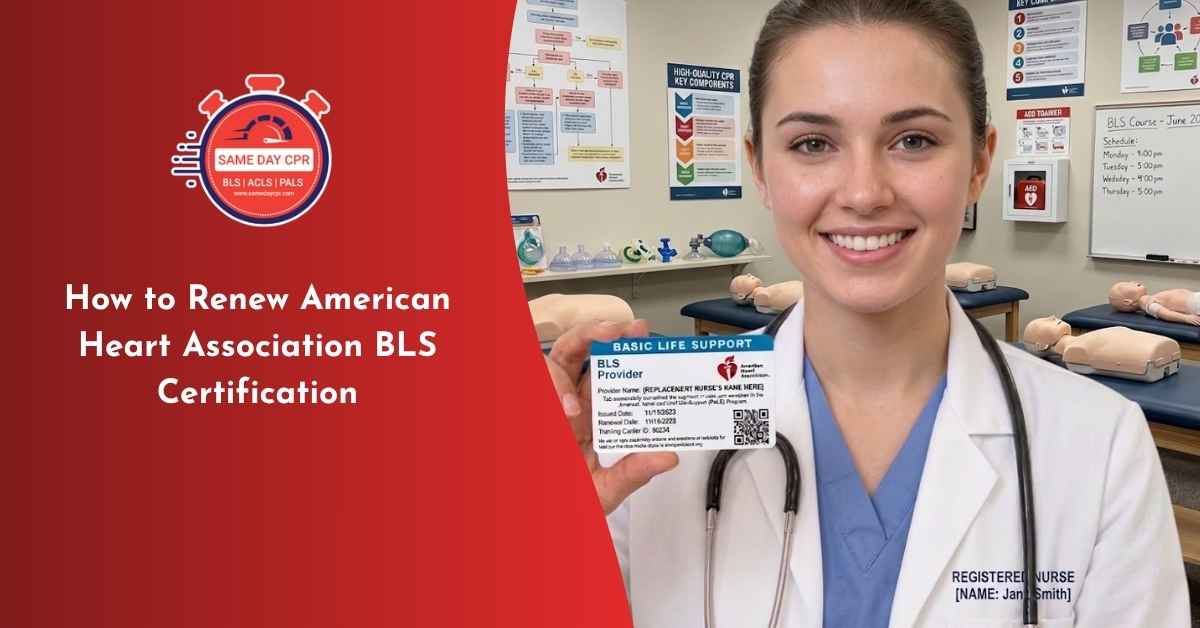
Many organization, like the American Heart Association certification courses. These courses often last a few hours and combine instruction with practical exercises. You do not need any medical background to take part. All you need is a willingness to learn and a commitment to helping others.
The Role of CPR in Survival Rates
Statistics show that immediate CPR can dramatically increase survival chances. Studies indicate that people who receive CPR from a bystander are twice as likely to survive cardiac arrest compared to those who do not. In some cases, the odds improve even more when CPR is combined with early defibrillation using an automated external defibrillator, or AED.
Time is the most critical factor. Emergency services may take several minutes to arrive, but CPR performed immediately keeps blood flowing to vital organs. These first few minutes are often referred to as the “golden minutes,” during which intervention can mean the difference between recovery and irreversible damage.
CPR and Community Preparedness
Communities with a higher number of trained CPR responders experience better outcomes during emergencies. Encouraging friends, family, and coworkers to learn CPR strengthens community readiness. It fosters a culture of helping and reduces the burden on emergency services. Schools, workplaces, and public facilities increasingly offer CPR training sessions, recognizing its importance.
Teaching children CPR can also be effective. Children who learn the basics grow up with a sense of responsibility and awareness about helping others. This early exposure can cultivate a community where more people are capable of responding to emergencies.
CPR in Everyday Life
CPR is not just for strangers in public spaces. Family members, friends, and coworkers are all potential beneficiaries. Heart attacks and cardiac arrests often happen at home, making CPR training essential for household safety. Knowing how to respond can transform panic into action.
Employers can also play a role by providing CPR training in the workplace. This not only ensures safety for employees but also creates a culture of care and responsibility. Public events, gyms, and schools can benefit from having trained individuals on site.
Emotional and Psychological Benefits
Learning CPR is not only practical but also emotionally empowering. People who have completed CPR training often report a sense of readiness and self-assurance. The ability to help others during a crisis fosters confidence and a sense of purpose. Moreover, trained individuals can provide reassurance and comfort to victims and bystanders during emergencies.
Knowing CPR can also reduce feelings of helplessness. Emergencies are stressful, and having a plan of action allows people to respond calmly. This composure can be contagious, helping others remain focused and supportive during critical moments.
Accessing CPR Training
CPR training is widely accessible. Many local hospitals, fire departments, and community centers offer courses. Online resources provide videos and tutorials, though hands-on practice is essential for skill development. Certification courses often take a few hours and may need renewal every couple of years to ensure skills remain sharp.
Many courses are designed to be user-friendly, with clear instructions and visual aids. Participants practice on mannequins, receive feedback, and repeat techniques until confident. Group sessions foster peer learning and create opportunities for questions and discussion.
Encouraging Others to Learn
One trained individual can influence many others. Sharing experiences and knowledge encourages friends, family, and colleagues to pursue CPR training. Community campaigns, social media, and local events can help raise awareness. By promoting CPR education, we can create networks of capable responders ready to act in emergencies.
CPR is a skill that can be passed on. Teaching even a few people can create a chain of preparedness, increasing the likelihood that someone trained will be nearby when needed. Every life saved begins with a single person who took the time to learn and act.
Common Misconceptions That Hold People Back
Many people hesitate to perform CPR because of fears or misunderstandings. Addressing these misconceptions highlights why proper training is essential.
1. Myth: I Might Hurt the Person
– Fact: While it’s natural to worry about causing injury, doing CPR correctly is far safer than doing nothing. Broken ribs are a minor risk compared to the risk of death without intervention.
2. Myth: Only Medical Professionals Should Do CPR.
– Fact: Sudden cardiac arrest can happen anywhere, and bystanders are often the first on the scene. Laypeople trained in CPR are fully capable of providing life-saving assistance.
3. Myth: I Won’t Remember the Steps
– Fact: CPR training emphasizes simple, easy-to-remember techniques. Hands-on practice and repetition build muscle memory, so responders can act confidently under pressure.
Who Should Consider CPR Training
CPR training is valuable for every individual who wants to be ready in an emergency. It gives you the skills and confidence to help others.
- Parents and Caregivers: Parents and caregivers are often the first to respond when a child or family member faces an emergency. Learning CPR gives them the confidence to act quickly and keep loved ones safe.
- Teachers and School Staff: Teachers and school staff spend hours with students every day, so emergencies can happen at any time. CPR training ensures they can respond calmly and effectively when every second counts.
- Senior Caregivers: Caregivers for older adults may encounter sudden health emergencies at home or in care facilities. Understanding the importance of CPR training for senior caregivers helps them provide immediate help and protect vulnerable adults.
- Workplace Professionals: Accidents and medical emergencies can happen at work without warning. CPR training equips employees to act fast and support their colleagues until professional help arrives.
- Community Volunteers: Volunteers are often present at events, activities, or public spaces where emergencies can occur. Being trained in CPR makes them a vital part of a community’s safety net.
- Anyone wanting to Be Prepared: Emergencies can happen anywhere, at any time, to anyone. Learning CPR gives you the skills and confidence to make a difference when it matters most.
Be a Lifesaver: Learn CPR Today
In summary, CPR training gives everyday people the power to save lives. It turns fear into action and equips anyone with the skills to respond calmly in emergencies. By learning CPR, you are not only protecting your family, friends, and coworkers but also helping create a safer, more prepared community. Every person trained adds a layer of safety and hope, and every act of CPR can make a life-or-death difference. Taking the time to learn this simple, practical skill is one of the most meaningful ways to care for others and be ready when it is needed.
For comprehensive training, Same Day CPR offers AHA BLS, ACLS, PALS, CPR, and First Aid certification. Complete the AHA online course included with registration, then visit one of our 100+ locations for a quick, in-person skills session developed for convenience and efficiency. You’ll receive your official American Heart Association certification card immediately after completion.