


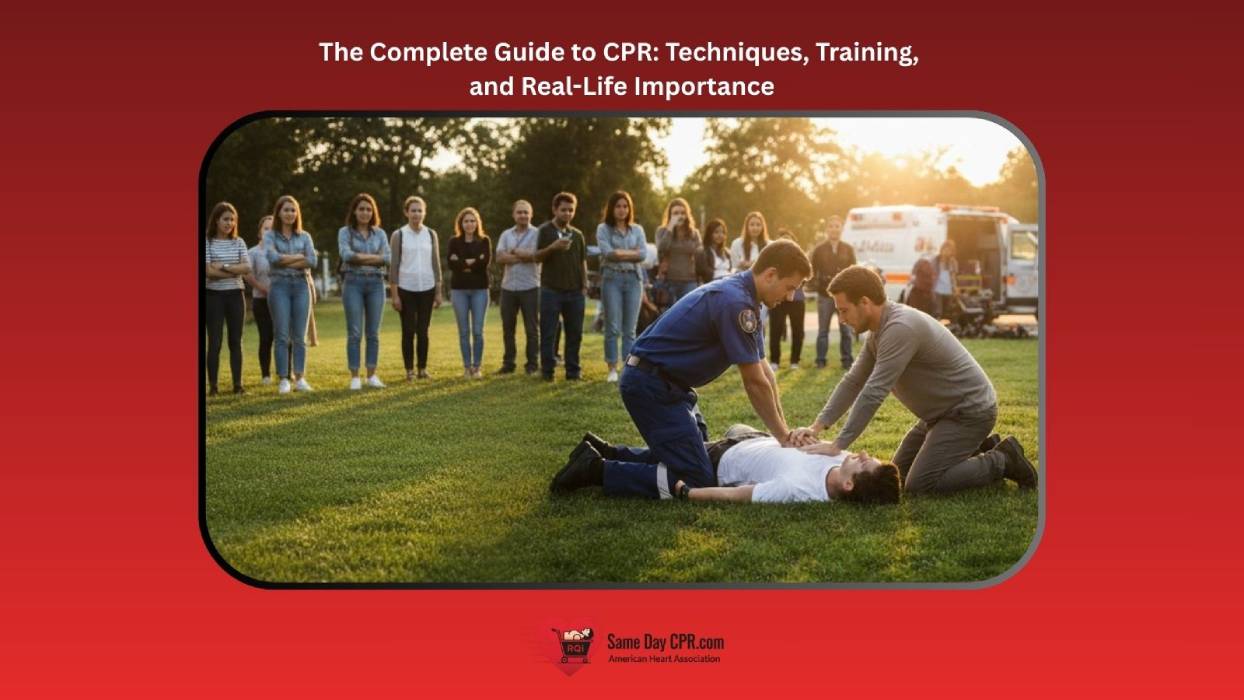
CPR, or cardiopulmonary resuscitation, is a life-saving skill that everyone should know. It’s the simple act of using your hands and breathing to help keep someone alive when their heart or breathing stops. The history of CPR goes back to the 18th century, and over time, it has become a vital part of providing emergency care during cardiac events. Whether you’re a parent, student, or someone who just wants to be ready, learning CPR gives you the confidence to act in critical moments. In this guide, you’ll explore how it works, the basic steps to follow, and why proper training can make all the difference. You never know when you might be the one who helps save a life.
What CPR Means: Breaking It Down
So, what does CPR actually mean? CPR stands for cardiopulmonary resuscitation. It’s a crucial life-saving technique that mixes chest compressions with rescue breaths to help keep blood flowing to the body’s vital organs. People often use it during cardiac emergencies to give someone the best chance of survival.
Understanding “Cardio,” “Pulmonary,” and “Resuscitation”
Cardio:
The term cardio relates to the heart, coming from the Greek word kardía, which means “heart.” The heart’s role is to pump oxygen-rich blood from the lungs throughout the body. After the blood delivers its oxygen to the tissues, it returns to the lungs to pick up more, repeating this continuous cycle.
Pulmonary:
Pulmonary refers to the lungs, originating from the Latin word pulmo, meaning “lung.” When we breathe in, oxygen enters the lungs and is transported via the bloodstream to all body organs. Every cell depends on oxygen to function. At rest, an average adult typically takes 12–20 breaths per minute.
Resuscitation:
Resuscitation refers to the process of restoring life or consciousness. If a person’s heart stops, immediate CPR is necessary to revive them and prevent serious damage from the lack of blood flow to vital organs like the brain, heart, and lungs. Performing CPR can significantly improve a patient’s chances of survival.
Why CPR Matters: Real-Life Importance
CPR is vital as it keeps blood and oxygen moving to the brain and key organs during sudden cardiac arrest, greatly increasing the chances of survival until medical help reaches the scene.
- Saves Lives: CPR can keep a person alive until professional help arrives. Giving CPR quickly can make the difference between life and death.
- Keeps Blood Flowing: When the heart stops, blood stops moving to the brain and body. CPR helps push blood through the body, giving organs a chance to survive.
- Increases Survival Chances: People who receive CPR immediately are much more likely to recover. Acting fast improves the odds of a full and healthy recovery.
- Gives Time for Medical Help: CPR keeps someone stable until paramedics arrive with advanced treatment. It gives doctors a better chance to save the person’s life.
- Empowers You to Help: Knowing CPR gives you the confidence to act in an emergency. Being prepared lets you make a real difference instead of feeling helpless.
Types of CPR and When to Use Them
CPR can save lives in emergencies, and there are different ways to do it depending on the situation. Knowing the options helps you act quickly and confidently when someone needs help.
Hands-Only CPR
Hands-Only CPR focuses on chest compressions without giving breaths. You place your hands in the center of the chest and push hard and fast, and it’s important to know when you stop pushing on the victim’s chest during hands-only CPR. This method is easy to learn and works well for adults who suddenly collapse, especially if you feel nervous about giving mouth-to-mouth.
Traditional CPR
Traditional CPR combines chest compressions with rescue breaths. You push on the chest and then give two breaths, helping oxygen reach the lungs. This method is important for children, babies, or anyone who has drowned or has a breathing problem, and it’s especially useful when you understand the indications for mouth-to-mouth rescue breaths. It gives extra support when the body needs both air and circulation.
Common Situations Requiring CPR
Emergencies can happen anywhere and at any time, such as cardiac arrest, sudden collapse, drowning, or severe trauma. They can occur at home, school, college, bus stands, roads, during hiking or trekking, or even in an operating theatre. These are the situations where CPR is needed.
During Cardiac Arrest
Cardiac arrest happens when the heart suddenly stops beating. The person may collapse, become unconscious, and have no pulse. Knowing what are the components of a pulse check in an unresponsive victim is crucial before starting CPR. CPR can keep blood and oxygen moving to the brain and other vital organs. Acting immediately gives the best chance for the heart to restart and for the person to survive.
When the Heart Stops Beating
A person whose heart stops won’t survive without help. CPR keeps blood moving through the body, which can protect vital organs until professionals take over. Even simple chest compressions can buy crucial time and save a life.
When Someone Chokes and Becomes Unconscious
If choking cuts off air and the person passes out, CPR may be needed immediately. Before starting, it’s important to know what you should do before giving breaths to an unresponsive choking person. Chest compressions can help move air and blood, keeping the body alive until the airway is cleared.
After a Severe Injury
Serious accidents like a car crash or a fall can cause the heart to stop or breathing to fail. CPR can provide life support while waiting for an ambulance. Your quick action can stabilize the person and give rescuers a head start.
When Someone Stops Breathing
If a person suddenly cannot breathe or is only gasping, CPR can help keep oxygen flowing to their body. Acting quickly gives their heart and brain a better chance to stay healthy until medical help arrives. You don’t need to hesitate; starting CPR right away can make a big difference.
In the Operation Theatre
Even during surgery, emergencies can happen if the heart or breathing suddenly stops. CPR keeps blood and oxygen moving until doctors can fix the problem. The team works together calmly, giving compressions, managing airways, and watching vital signs to give the patient the best chance to survive. Learn more about this in our guide on CPR in the operation theatre, protecting lives during critical surgeries.
Step-by-Step Guide: How to Perform CPR
CPR can save lives in emergencies by helping the heart keep beating. Knowing how to do it gives you the power to act fast and make a real difference.
Step 1: Check the Scene and the Person
Before you do anything, make sure the area around the person is safe. Look for dangers like traffic, fire, or anything that could hurt you. Then, gently tap the person and shout to see if they respond. If they don’t wake up, it’s time to act quickly.
Step 2: Call for Help
As soon as you know the person is unresponsive, call emergency services right away. If someone is with you, ask them to make the call while you start CPR. If you’re alone, call first and put your phone on speaker so you can keep your hands free.
Step 3: Check Breathing
Look at the person’s chest and listen for breathing. If they aren’t breathing normally or only gasp occasionally, start chest compressions immediately. Don’t waste time checking too long; quick action saves lives.
Step 4: Place Your Hands for Compressions
Put the heel of one hand in the center of the person’s chest, right between the nipples. Place your other hand on top and lock your fingers. Keep your arms straight and shoulders directly above your hands to use your body weight effectively.
Step 5: Push Hard and Fast
Push down firmly about two inches deep at a steady rhythm of about 100 to 120 times per minute. Let the chest rise completely after each push. Focus on strong, even compressions without stopping for too long.
Step 6: Give Rescue Breaths
After 30 compressions, gently tilt the person’s head back and lift the chin. Pinch the nose shut, cover their mouth with yours, and give two slow breaths. Watch the chest rise each time. If you’re uncomfortable giving breaths, continue compressions only.
Step 7: Keep Going Until Help Arrives
Continue the cycle of 30 compressions and 2 breaths until emergency personnel take over, an automated external defibrillator is ready, or the person starts breathing normally. Don’t stop unless you are too exhausted or the scene becomes unsafe.
Key Differences Between Infant, Child & Adult CPR
CPR saves lives, but the way you do it changes with age. Knowing the right technique for infants, children, and adults helps you act quickly and safely.
Compressions
- Infant (<1 yr): Use 2 fingers. Focus is on gentle, precise compressions.
- Child (1–8 yr): Use 1–2 hands. More strength is needed than for infants, but still be careful.
- Adult (≥8 yr): Use 2 hands. Emphasize strong, effective compressions.
Depth
- Infant: 1.5 in / 4 cm. Compress just enough to circulate blood without injury.
- Child: 2 in / 5 cm. Ensure adequate depth for effective circulation.
- Adult: 2–2.4 in / 5–6 cm. Deeper compressions are required for proper blood flow.
Rate
- All Ages: 100–120/min. Maintain a consistent rhythm for effective perfusion.
Compression: Breath (1 rescuer)
- All Ages: 30:2. One rescuer maintains the standard ratio for CPR.
Compression: Breath (2 rescuer)
- Infant & Child: 15:2. Two rescuers can provide more frequent breaths for better oxygenation.
- Adult: 30:2. Ratio remains the same as one rescuer due to the larger chest size.
Hand Placement
- Infant: Center of chest, below nipples. Protect the delicate chest structure.
- Child: Center of chest. Ensure correct positioning for effective compressions.
- Adult: Center, lower half of sternum. Maximizes force without injury.
Key Focus
- Infant: Gentle airway management and delicate chest compressions.
- Child: Balance airway and circulation support.
- Adult: Strong compressions with focus on circulation.
Also Read: How Is a Child Defined in Terms of CPR/AED Care
Common Mistakes to Avoid When Performing CPR
Doing CPR the right way can greatly improve the chances of saving a life, but even careful rescuers can slip up. Pressing too gently or too slowly is a common mistake that limits blood flow. Giving rescue breaths too hard or too fast can also cause harm or stomach inflation. Pausing chest compressions too often or for too long reduces their effectiveness. Constantly checking for responsiveness or breathing can delay crucial compressions. To prevent these errors, familiarize yourself with common CPR mistakes and stay confident in your abilities during an emergency.
When and How to Stop Performing CPR
Knowing when to stop performing CPR can be just as important as knowing how to do it. CPR can save lives, but there are moments when it’s okay to pause or stop. You should continue until the person shows clear signs of life, like breathing or moving, or until trained help arrives. Sometimes, you may need to stop if you feel too exhausted to continue safely, or if the person has a do-not-resuscitate (DNR) order. In rare cases, CPR may no longer be effective, such as when there are clear signs that the body cannot be revived. Understanding these situations helps you act confidently and safely during an emergency.
Legal Considerations and Safety Guidelines
When you perform CPR, it’s important to know there are legal rules that protect both you and the person you are helping. Most places have laws called Good Samaritan laws, which usually protect people who try to help in an emergency from being sued if something goes wrong. If you’re wondering about specific situations, like whether you could face legal trouble if the person you administer CPR to does not survive. These laws expect you to act reasonably and not cause harm on purpose. It’s also a good idea to get proper training so you know what to do and feel confident. Remember, even if the outcome isn’t perfect, trying to save a life is generally seen as the right thing to do, and the law often recognizes that.
Careers That Require CPR Certification
CPR certification opens doors to many caring roles, from healthcare to lifeguards and emergency responders. It boosts your confidence and helps you react quickly when someone is in trouble.
- Healthcare Professionals: CPR certification helps nurses, doctors, and allied health workers respond quickly during emergencies. It allows them to stabilise patients, support teams, and keep everyone safe until further help arrives.
- Senior Caregivers: CPR training is important for senior caregivers because these skills protect older adults who may have heart or breathing issues. Being prepared provides peace of mind for families and helps responders stay calm.
- Life Guards: Lifeguards supervise swimmers at beaches and pools. CPR knowledge allows them to respond effectively to near drownings or injuries and to bring individuals to safety swiftly.
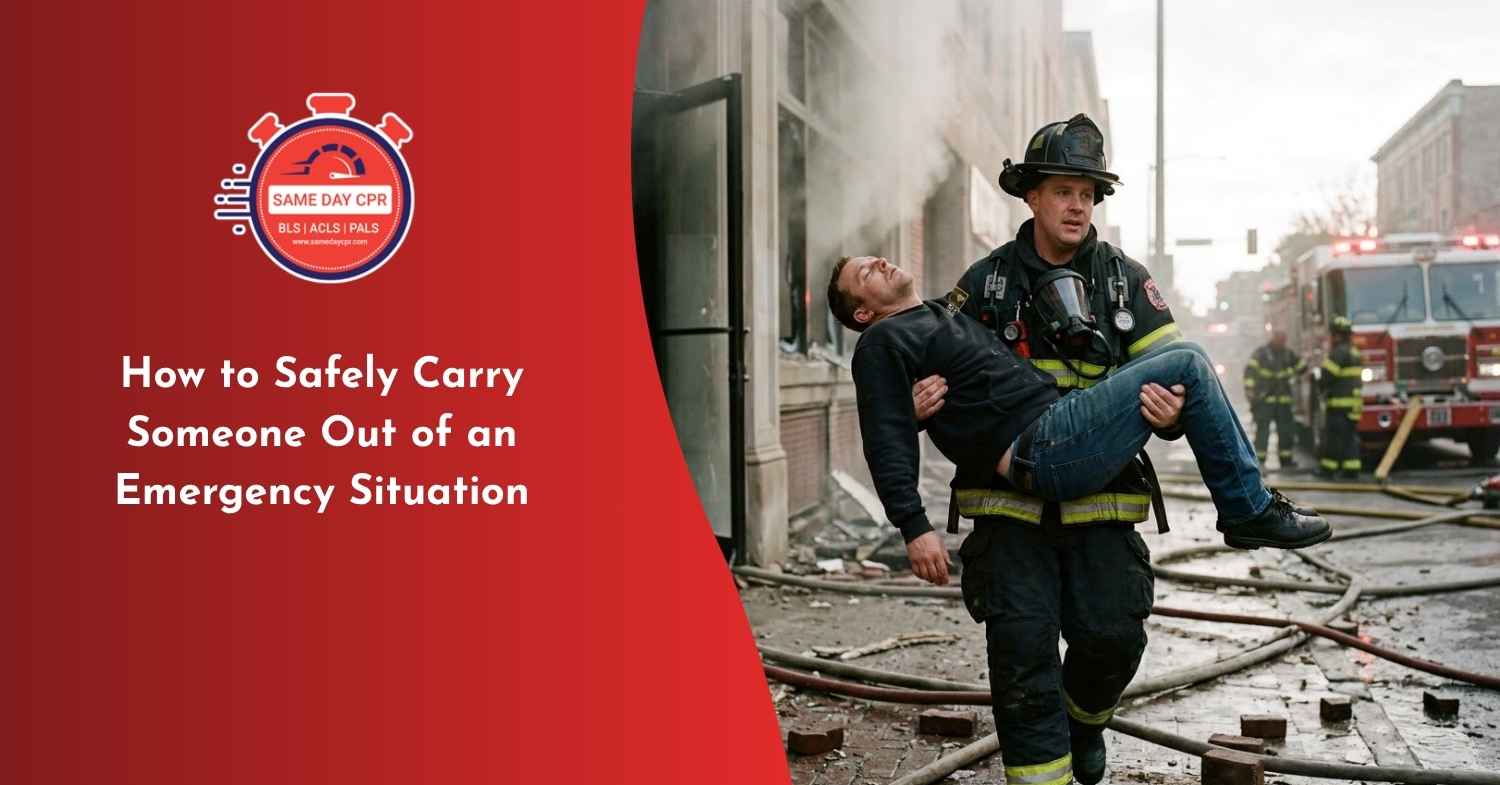
- Firefighter: Firefighters often face dangerous situations where immediate assistance is required. Knowing what to do if someone is on fire can make a critical difference, and CPR certification enables them to begin life-saving measures right away, increasing the chances of survival.
- Social Workers and Volunteers: Social workers and volunteers may meet clients needing urgent care. CPR skills permit them to act calmly, protect vulnerable individuals, and expedite medical assistance.
- Trekking Guide: A trekking guide may encounter injuries or sudden illnesses on trails. Understanding CPR guidelines for high altitude situations helps them deliver effective first aid, ensure hiker safety, and coordinate with rescue teams when necessary.
The Transformative Impact of Technology on CPR Training
The transformative impact of technology on CPR training makes it more accessible and helps people retain skills better, but it also brings challenges such as higher costs, reduced personal interaction, and limited access for certain learners.
Positive Aspects of Technology in CPR Training
- Access Anytime, Anywhere: Technology lets people learn CPR whenever they have free time. Online videos, apps, and virtual classes make training possible at home or on the go.
- Realistic Practice with Simulations: Virtual mannequins and simulations show how CPR works in real situations. They let learners make mistakes and improve without fear of harming anyone.
- Immediate Feedback: Smart devices can tell you if your compressions are too fast, too slow, or too shallow. This helps learners correct mistakes quickly and build confidence.
- Engaging Learning Experience: Interactive games, quizzes, and videos make CPR training fun and interesting. People remember what they learn better when the process feels lively and hands-on.
- Consistent Training Standards: Apps and online programs follow official CPR guidelines accurately. Everyone gets the same quality of training no matter where they are or who is teaching.
Negative Aspects of Technology in CPR Training
- Less Hands-On Experience: Learning through screens can’t fully replace practicing on a real person. Some skills, like feeling proper chest compression depth, are harder to master without in-person practice.
- Overreliance on Technology: People may depend too much on apps or devices during emergencies. This can make them unsure how to act if technology isn’t available.
- Technical Issues: Online programs and devices sometimes crash or have glitches. Interruptions like these can slow learning and cause frustration.
- Limited Personal Guidance: Virtual training can’t always give one-on-one support from an instructor. Learners might miss tips or corrections they would get in a live class.
- Cost of High-Tech Tools: Advanced simulators and apps can be expensive for some learners or organizations. Not everyone can access the latest tools, which may create gaps in training.
The Life-Saving Power of CPR: Key Takeaways
CPR can make the difference between life and death in an emergency. Knowing how to do it gives you the power to help someone whose heart has stopped or who isn’t breathing. Quick action keeps blood flowing to the brain and vital organs until professional help arrives. Learning the basics is easier than many think, and practicing regularly builds confidence so you can act without hesitation. By understanding CPR and knowing the right steps for any injury or emergency, you give someone a real chance to survive, and that feeling of saving a life is unforgettable.
Whether you’re a healthcare professional, student, parent, or coach, Same Day CPR helps you feel confident in lifesaving skills. Our AHA standard BLS, ACLS, PALS, CPR, and First Aid courses are build for flexibility and convenience. Begin with the included online course, then attend a quick, hands-on skills session at one of our 100+ convenient locations. Walk away with your official American Heart Association certification card, ready to use immediately. Sign up today and gain the skills and confidence to save a life.