


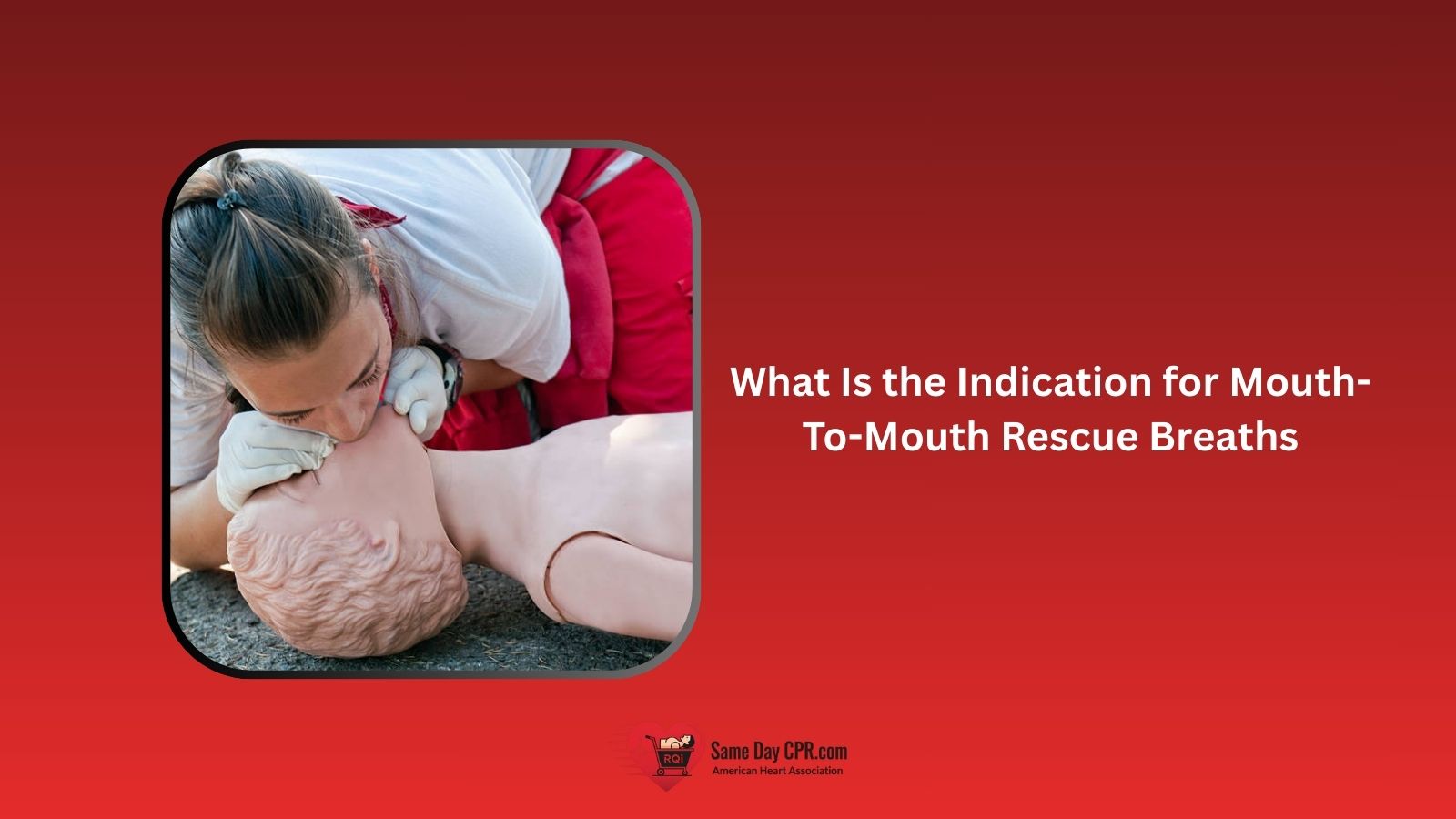
Mouth-to-mouth rescue breathing, also known as rescue breathing, is integral to CPR (cardiopulmonary resuscitation) and is used when a person is not breathing normally or has stopped breathing altogether, but still has a pulse. In this situation, the heart is pumping, yet the body is not getting the oxygen it needs. Giving breaths helps move air into the lungs and keeps oxygen flowing to the brain and other vital organs until the person can breathe on their own or medical help arrives. It’s a simple but powerful step that can make a big difference in an emergency, especially when started quickly and with confidence.
Significance of Rescue Breathing in CPR
Rescue breathing is an important part of CPR because it helps the body get the oxygen it needs when someone cannot breathe on their own. It not only supports life but also gives you the power to make a real difference in an emergency.
- Oxygenation: Rescue breaths give the lungs fresh air and supply the body with much-needed oxygen. This helps keep vital organs working until normal breathing returns or help arrives.
- Versatility: Rescue breathing can be used in many situations, such as near drowning, choking, or drug overdose. Its wide use makes it an important skill to know in different emergencies.
- Brain Preservation: By sending oxygen to the brain, rescue breaths protect it from serious damage. This helps lower the risk of long-term problems after a person is revived.
- Empowerment: Knowing how to give rescue breaths gives you the confidence to step in when someone needs help. It allows you to take action and truly make a difference.
- Increased Survival Rates: Adding rescue breaths to CPR can improve a person’s chance of surviving. It gives the body the extra support it needs until medical professionals take over.
Indications for Mouth-To-Mouth Rescue Breaths
Mouth-to-mouth rescue breaths are crucial in CPR when a person is unresponsive and not breathing normally. Recognizing the right situations helps you act fast and give the support that can save a life.
1. Absence/ Struggle of Breathing
When someone stops breathing or is gasping for air, their body cannot get the oxygen it needs. Giving mouth-to-mouth rescue breaths helps fill their lungs with air and keeps oxygen moving to the heart and brain until they can breathe on their own or help arrives.
2. Respiratory Distress
Respiratory distress happens when breathing becomes very difficult, fast, or labored. Rescue breaths support the person’s oxygen levels, giving their body a chance to recover while you wait for emergency assistance.
3. Anaphylaxis
Severe allergic reactions can block the airway and make it hard to breathe. Mouth-to-mouth breaths can provide vital oxygen and keep the person alive while waiting for medical treatment or an epinephrine injection.
4. Cardiac Arrest
During cardiac arrest, the heart may stop beating properly, but sometimes the lungs can still take in air with help. Rescue breathing combined with chest compressions supplies oxygen to the body, increasing the chances of survival until professional help arrives. To better understand what might trigger a cardiac arrest and how to address it, it’s important to be familiar with the reversible causes of cardiac arrest.
5. Drowning or Choking
When someone has inhaled water or has an object blocking their airway, oxygen levels drop quickly. Mouth-to-mouth breaths help restore oxygen, giving the body the support it needs to prevent brain damage and improve recovery chances.
Also Read: What Should You Do Before Giving Breaths to an Unresponsive Choking Person
6. Trauma
Serious injuries from accidents or falls can make breathing weak or stop it entirely. Providing rescue breaths ensures the body continues receiving oxygen, which is crucial for survival while waiting for emergency care.
7. Drug Overdose or Poisoning
Certain drugs or poisons can slow or stop breathing completely. Rescue breaths help maintain oxygen flow to vital organs, buying time for medical professionals to reverse the effects and stabilize the person.
Steps to Perform Mouth-To-Mouth Rescue Breaths
Performing mouth-to-mouth rescue breaths is a simple but powerful way to help someone who cannot breathe. Following clear steps makes the process safe, effective, and easier to do with confidence.
Step 1: Check The Scene: Before helping, take a moment to look around and make sure the area is safe for both you and the person in need. Avoid rushing in if there are hazards like traffic, fire, or electrical dangers, so you can provide care safely.
Step 2: Call 911: Call emergency services as soon as possible. If others are nearby, have someone else call EMS while you continue. Be alert for cases where the person has a pulse but isn’t breathing.
Step 3: Position The Victim: Lay the person flat on their back on a firm surface, keeping their body straight. Proper positioning makes it easier to open the airway and deliver effective breaths.
Step 4: Open The Airway: Gently tilt the head back and lift the chin to open the airway. This simple movement helps air flow freely into the lungs when you give rescue breaths.
Step 5: Check For Breathing: Look, listen, and feel for normal breathing for about ten seconds. If the person is not breathing or only gasping, it is time to start rescue breaths.
Step 6: Pinch the Nostrils: Use your fingers to pinch the nose shut to prevent air from escaping. This ensures that the air you breathe in goes directly into the lungs.
Step 7: Create a Seal: Place your mouth over the person’s mouth, covering it completely. A good seal helps make each breath effective and prevents air from leaking out.
Step 8: Deliver the Breath: Give a slow, steady breath lasting about one second, watching for the chest to rise. This rise shows that air is reaching the lungs properly.
Step 9: Remove Your Mouth: After the breath, take your mouth away and let the person exhale naturally. Watching the chest fall ensures that the air moves in and out smoothly.
Step 10: Repeat: Continue giving breaths at a regular rhythm, usually one every five seconds for adults. Keep going until the person starts breathing on their own or professional help arrives.
Common Mistakes to Avoid in Mouth-To-Mouth Rescue Breaths
Even small mistakes during mouth-to-mouth rescue breaths can reduce their effectiveness and slow oxygen delivery. Knowing what to avoid helps you give safer and more effective support in an emergency.
- Insufficient Head Tilt/Chin Lift: If the head is not tilted back enough or the chin is not lifted, the airway may stay blocked. This prevents air from reaching the lungs and reduces the effectiveness of rescue breaths.
- Poor Seal: A loose seal between your mouth and the victim’s mouth lets air escape. Without a proper seal, each breath may not deliver enough oxygen to the lungs.
- Blowing Too Forcefully or Too Long: Blowing too hard or for too many seconds can harm the lungs or stomach. Gentle, steady breaths are enough to move oxygen into the body safely.
- Not Making the Chest Rise: If the chest does not rise, air is not reaching the lungs properly. Always watch for chest movement to ensure each breath works as intended.
- Forgetting to Reassess: Failing to check for breathing or responsiveness during rescue can delay necessary adjustments. Reassessing helps you know if the person is improving or if you need to continue.
When To Avoid Mouth-To-Mouth Rescue Breaths
Rescue breathing is important in many scenarios, but there are certain situations where it shouldn’t be performed.
- Rescue breaths aren’t needed if the person has a pulse and is breathing normally, because their airway and breathing are working properly.
- If someone has a pulse but isn’t breathing adequately, and advanced airway equipment is available, methods like intubation can replace standard rescue breaths.
- With serious trauma or a possible spinal injury, opening the airway might worsen the injury, so rescue breathing should wait until spinal precautions are taken.
- If giving rescue breaths is unsafe due to risks like infectious disease, hands-only CPR can be used instead.
- For an unconscious person who is breathing but has a blocked airway (such as choking), rescue breaths won’t help until the airway is cleared.
Key Takeaways on Mouth-to-Mouth Rescue Breaths
In summary, before giving mouth-to-mouth resuscitation, ensure the person’s airway is clear. If they aren’t breathing, perform rescue breaths. Rescue breaths are an important part of CPR, but their use depends on your training and the situation. Untrained bystanders should generally do hands-only CPR, especially for adults who suddenly collapse. Trained individuals or healthcare professionals include rescue breaths, particularly for drowning, opioid overdose, or pediatric cases. Always understand your legal responsibilities and consent requirements before providing aid.
Same Day CPR provides AHA standard training and certification in CPR, First Aid, BLS, ACLS, and PALS, with same-day results. Whether you’re a healthcare professional, student, parent, coach, or firefighter, start with the online course, then attend a short hands-on session at one of our 100+ locations. Complete your training and receive your official certification card immediately. Sign up today and be ready to respond confidently in any emergency.