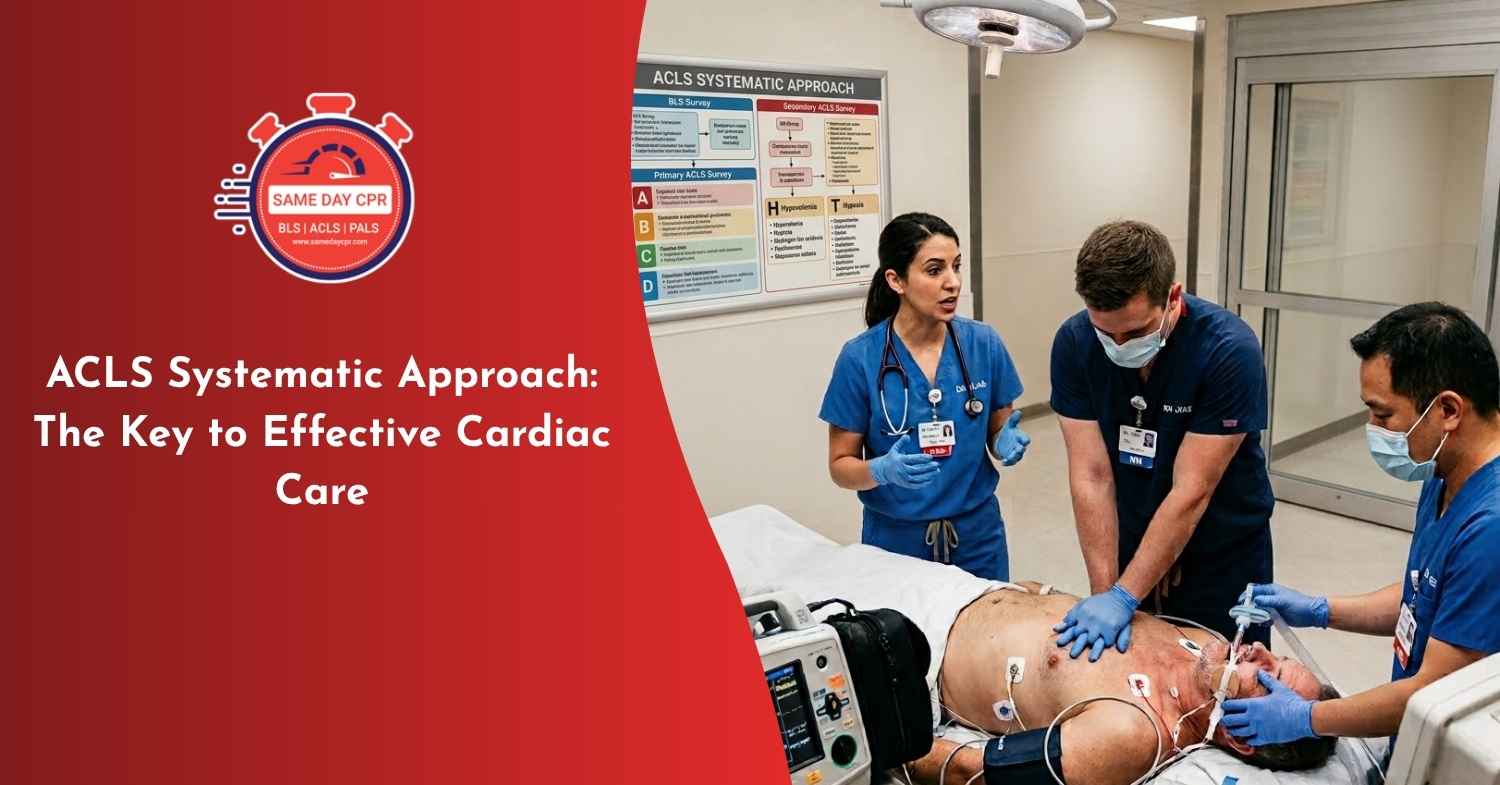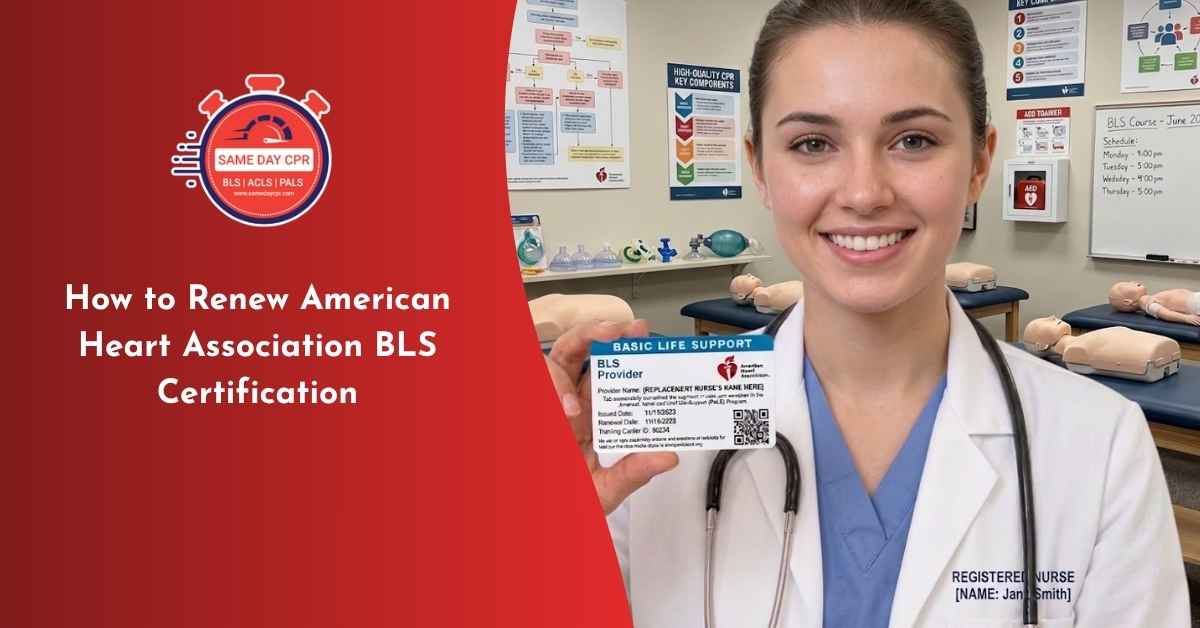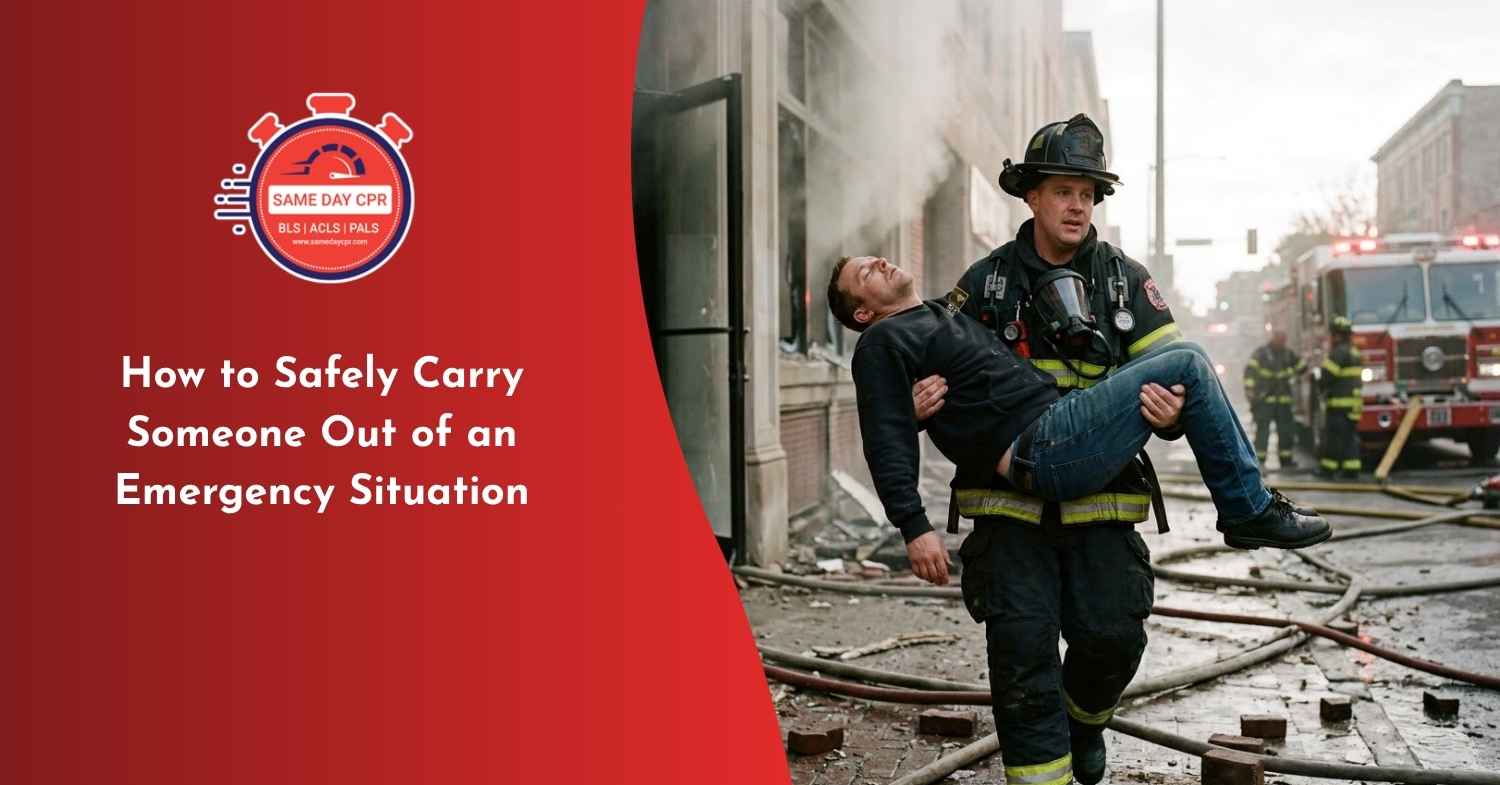



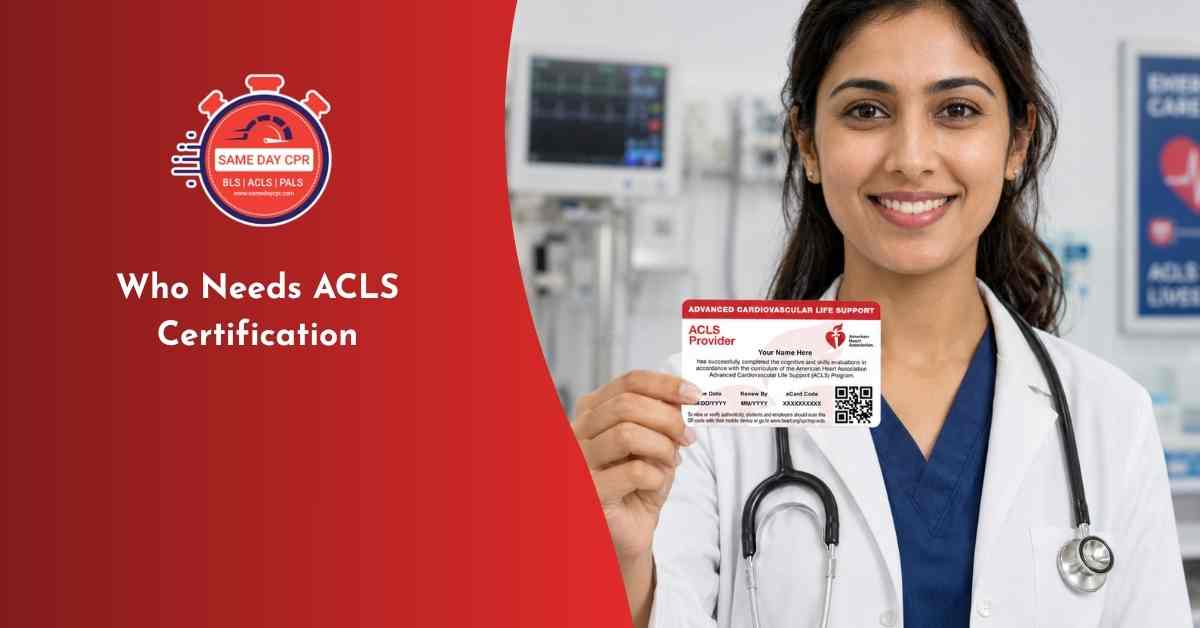
Advanced Cardiovascular Life Support certification is important for healthcare workers who care for patients facing serious heart problems or medical emergencies. It is mainly needed by doctors, nurses, paramedics, emergency medical technicians, and other hospital staff who respond to life-threatening situations. These professionals use advanced skills to manage cardiac arrest, stroke, and other urgent conditions where quick action can save lives.
ACLS training helps them learn how to use special equipment, give emergency medicines, and work as a team during critical moments. It is also valuable for those working in intensive care units, emergency departments, and ambulances, where fast decision-making is required every day. Even some medical students and healthcare assistants take this certification to improve their knowledge and career opportunities in emergency care.
Healthcare Professionals Who Need ACLS Certification
Many healthcare professionals need ACLS certification because they work in situations where emergencies can happen without warning. It teaches them how to act quickly and support patients during life threatening heart and breathing problems.
Physicians
Physicians are often required to hold ACLS certification because they lead or respond to medical emergencies in hospitals and clinical settings. The training prepares them to recognize cardiac arrest, interpret ECG rhythms, use defibrillators, administer emergency medications, and direct a resuscitation team.
Many hospitals require ACLS certification as a condition of employment in emergency medicine, critical care, and other high-risk specialties.
Registered Nurses (RNs)
Registered nurses frequently provide first-line care during patient deterioration, especially in emergency rooms, ICUs, and cardiac units. ACLS certification equips them to:
- Recognize early signs of cardiac arrest
- Perform high-quality CPR (Cardiopulmonary Resuscitation)
- Assist in defibrillation and airway management
- Participate effectively in code blue situations
Nurse Practitioners (NPs) and Physician Assistants (PAs)
NPs and PAs working in acute care, emergency departments, or intensive care units often require ACLS certification due to their advanced clinical responsibilities. It enables them to:
- Lead or assist during resuscitation events
- Make rapid treatment decisions
- Administer emergency cardiovascular medications
- Coordinate care with the medical team
Paramedics and Advanced EMTs
Pre-hospital care providers such as paramedics and advanced EMTs must be ACLS certified because they are often the first to respond to cardiac emergencies in the field. This training allows them to:
- Manage cardiac arrest before hospital arrival
- Perform advanced airway and circulation support
- Use defibrillators and emergency medications
- Communicate effectively during patient handoff
Respiratory Therapists
Respiratory therapists are essential members of hospital code teams. ACLS certification helps them:
- Manage airways during resuscitation
- Support ventilation and oxygenation
- Recognize respiratory-related cardiac complications
- Coordinate closely with the ICU and emergency staff
Anesthesiologists and CRNAs
Because they manage patients under sedation or anesthesia, anesthesiologists and Certified Registered Nurse Anesthetists (CRNAs) must be prepared for sudden cardiac or respiratory emergencies. ACLS training ensures they can respond immediately to unstable heart rhythms or cardiac arrest during procedures.
Hospital Code and Rapid Response Team Members
Staff assigned to code blue or rapid response teams are required to hold ACLS certification to ensure coordinated emergency care. These teams rely on shared protocols to:
- Identify patient deterioration early
- Perform effective resuscitation
- Communicate clearly under pressure
- Deliver standardized emergency care
Flight Nurses and Critical Care Transport Staff
Flight nurses and transport teams care for critically ill patients in ambulances and helicopters where resources are limited. ACLS certification is essential for:
- Managing emergencies during transport
- Making independent clinical decisions
- Stabilizing patients before hospital arrival
- Ensuring continuity of critical care
Medical and Nursing Students (in Clinical Training)
Some medical and nursing programs require ACLS certification during clinical rotations. It helps students:
- Understand real-life resuscitation procedures
- Assist safely in emergencies
- Build confidence in clinical decision-making
- Develop teamwork and communication skills
Cardiac Cath Lab and Telemetry Unit Staff
Staff working in cardiac catheterization labs and telemetry units monitor high-risk cardiac patients. ACLS certification ensures they can:
- Detect dangerous rhythm changes quickly
- Respond immediately to cardiac emergencies
- Support resuscitation during procedures
- Maintain continuous cardiac patient safety
Dental Professionals Using Sedation
Dentists and dental staff who administer sedation may be required to hold ACLS certification depending on regulations. This training prepares them to:
- Recognize medical emergencies during sedation
- Maintain airway and circulation support
- Respond to cardiac or respiratory arrest
- Stabilize patients until emergency services arrive
Who Needs ACLS Certification Outside the Hospital Setting
Lots of medical professionals work far from a hospital’s emergency room, yet they still face the same life-threatening cardiac events that doctors inside hospitals handle every day. ACLS certification gives these workers the skills and confidence to act fast when a patient’s heart stops working properly.
- Dialysis centers, staff monitor patients with cardiac comorbidities who are at higher risk of arrhythmias or arrest during treatment.
- Cardiac rehabilitation facilities, exercise physiologists, and nurses supervise patients with known heart disease during monitored physical activity
- Correctional facility medical staff, nurses, and providers in prisons and jails often need to respond to emergencies without immediate hospital backup.
- Cruise ship and maritime medical teams, ship physicians, and nurses must be prepared for cardiac emergencies far from land-based care.
- Occupational health or workplace wellness clinics, medical staff at large corporate campuses, industrial sites, or oil rigs may need to manage cardiac events on-site before EMS arrives.
The Critical Role of ACLS Certification in Healthcare
In summary, ACLS certification is essential for many people who work in healthcare and emergency care settings where quick action can save lives. Doctors, nurses, paramedics, and other clinical staff rely on these skills to respond to serious heart problems and other urgent medical situations with confidence and speed. It also supports those working in intensive care units, emergency rooms, ambulances, and specialized units where patients may become unstable without warning. Even healthcare workers in places outside hospitals, such as dialysis centers, rehabilitation facilities, and transport services, benefit from this training because emergencies can happen anywhere. Overall, ACLS helps professionals stay prepared, work well as a team, and give patients the best chance of survival during critical moments.