


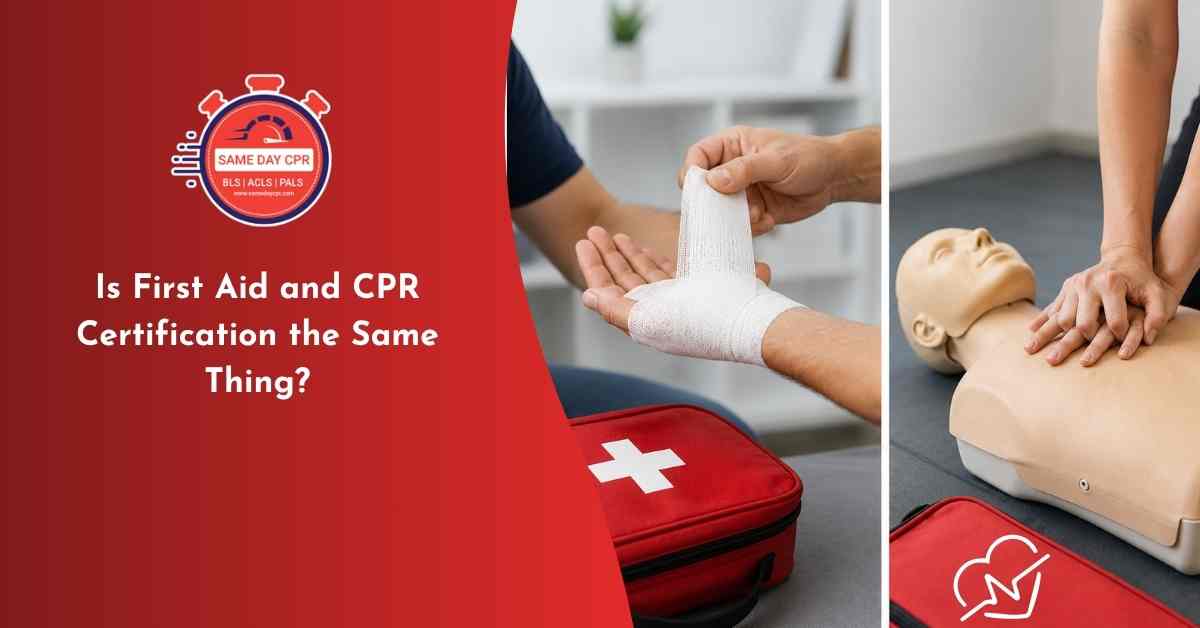
Many people assume that First Aid and CPR certification are the same because both are related to emergency response training. However, they actually focus on different types of life-saving skills. First Aid covers a broad range of injuries and medical situations, while CPR is specifically developed to respond to life-threatening cardiac and breathing emergencies. The overlap in purpose often leads to confusion between the two certifications.
Understanding the difference is important, especially for workplaces, schools, and safety training requirements. Many employers require specific certifications depending on job roles, and knowing whether you need First Aid, CPR, or both ensures proper compliance and preparedness. This knowledge also helps people respond more effectively in emergencies, leading to better safety outcomes when situations actually happen.
What Is First Aid Certification?
First Aid certification is a formal training program prepared to teach individuals how to respond to a wide range of medical emergencies and injuries. The goal is to provide immediate care to an injured or ill person until professional medical help arrives.
Definition of First Aid Training
First Aid training focuses on equipping individuals with practical skills to manage emergencies such as injuries, sudden illness, or accidents in everyday environments like homes, workplaces, or public spaces.
Core Purpose
The main purpose of First Aid certification is to ensure a trained person can:
- Stabilize a patient’s condition
- Prevent the situation from getting worse
- Provide immediate care until emergency responders arrive
Common Skills Covered
First Aid courses typically include essential life-saving and injury management skills such as:
- Wound Care and Bleeding Control: Learning how to clean, dress, and stop bleeding from cuts or injuries
- Burns, Fractures, and Sprains: Understanding how to treat minor to severe burns and stabilize injured bones or joints
- Shock and Choking Response Basics: Recognizing signs of shock and assisting a choking victim before medical professionals arrive
Who Provides Certification
First Aid certification is commonly offered by recognized training organizations, including the American Heart Association (AHA), as well as other accredited health and safety training providers worldwide.
What Is CPR Certification?
CPR (Cardiopulmonary Resuscitation) certification is a specialized training program that teaches individuals how to respond to life-threatening emergencies when a person’s breathing or heartbeat has stopped. It focuses on critical, time-sensitive actions that can help keep someone alive until emergency medical services arrive.
Definition of CPR Training
CPR training provides step-by-step instruction on how to manually support circulation and breathing in a person experiencing cardiac arrest or respiratory failure. It is a hands-on, emergency-focused skill set developed for immediate intervention.
Core Purpose
The primary purpose of CPR certification is to:
- Maintain blood flow to vital organs
- Restore or support breathing and heartbeat temporarily
- Increase survival chances during cardiac emergencies
Skills Covered
CPR certification typically includes essential life-saving techniques such as:
- Chest Compressions: Performing rhythmic compressions on the chest to circulate blood when the heart stops beating
- Rescue Breathing: Providing breaths to supply oxygen when a person is not breathing adequately
- AED (Automated External Defibrillator) Use: Learning how to operate an AED device to restore normal heart rhythm during sudden cardiac arrest
Training Providers
CPR certification is widely offered by recognized health and safety organizations, including the American Heart Association (AHA), as well as other accredited first responder and workplace safety training providers.
Learn more about the importance of CPR, AED, and First Aid training.
Key Differences Between First Aid and CPR
First Aid and CPR certifications are often confused, but they differ significantly in purpose, focus, technique, application, and training. Understanding these differences helps individuals choose the right training for their needs.
| Aspect | CPR | First Aid |
| Purpose | To keep blood and oxygen circulating to essential organs during cardiac or breathing failure | To give immediate assistance for different injuries or medical conditions |
| Focus | Heart and lungs | The whole body and a variety of injuries |
| Technique Used | Chest compressions, rescue breathing, and use of an AED. | Dressing wounds, applying splints, cleaning injuries, etc |
| Applicability | Used in cases of cardiac arrest or respiratory failure. | Used for cuts, burns, fractures, allergic reactions, and other emergencies |
| Training Required | Concentrates on life-saving resuscitation methods. | Includes a broad range of basic medical care skills |
Are First Aid and CPR Certifications Combined?
Yes, First Aid and CPR certifications are often combined into a single training program, commonly known as a blended or dual certification course. These programs are developed to teach both general emergency response skills and life-saving resuscitation techniques in one structured course.
Explanation of Blended Courses
Blended courses integrate both First Aid and CPR training into one curriculum. Instead of taking separate classes, learners complete a single program that covers:
- Basic First Aid skills for injuries and medical emergencies
- CPR techniques for cardiac and breathing emergencies
- Often, AED training is part of the CPR component
Why Many Programs Offer Dual Certification
Many training providers combine these certifications because:
- Workplace safety standards often require both skills together
- Emergencies can involve both injuries and cardiac events
- It improves efficiency for learners and employers
- It ensures a more complete emergency response skill set
Organizations like the American Heart Association commonly provide combined First Aid and CPR certification courses.
Benefits of Combined Training
- Comprehensive Preparedness: Covers a wider range of emergencies
- Time-Efficient: One course instead of two separate programs
- Cost-Effective: Often cheaper than enrolling in separate certifications
- Improved Confidence: Trainees learn to respond to multiple emergency scenarios effectively
When Do You Need First Aid vs CPR Certification?
The need for First Aid or CPR certification depends on your job role, responsibilities, and level of exposure to emergencies. In many cases, one or both certifications may be required by employers or recommended for personal preparedness.
Workplace Requirements (Construction, Healthcare, Education)
In high-risk or public-facing jobs, safety training is often mandatory:
- Construction workers may need First Aid certification to handle on-site injuries such as cuts, falls, or fractures.
- Healthcare workers typically require both First Aid and CPR due to frequent exposure to medical emergencies.
- Teachers and school staff are often required to have both certifications to respond to student emergencies quickly and effectively.
Babysitting and Childcare Roles
Individuals working with children are commonly required to have CPR certification, along with basic First Aid training. This ensures they can respond to:
- Choking incidents
- Falls or minor injuries
- Sudden medical emergencies in infants and children
Fitness Trainers and Public Service Workers
Professionals in active environments often need CPR certification due to the risk of sudden cardiac events:
- Fitness trainers and gym staff must be prepared for exercise-related emergencies
- Lifeguards and public safety workers typically require both First Aid and CPR for full emergency response coverage
Emergency Preparedness for Individuals
Even outside professional requirements, many people choose to get certified for personal safety reasons. Having First Aid and CPR knowledge allows individuals to:
- Respond effectively at home or in public emergencies
- Assist family members, coworkers, or strangers in distress
- Improve overall community safety and readiness
Which Certification Should You Get?
Choosing between First Aid and CPR certification depends largely on your professional requirements, personal goals, and the level of emergency preparedness you want to achieve.
Choosing Based on Job Requirements
In many cases, your occupation will determine which certification you need:
- Jobs in healthcare, education, childcare, and public safety often require both First Aid and CPR certification.
- Some roles may specifically require CPR certification only, especially those with a higher risk of cardiac emergencies, such as fitness trainers or lifeguards.
- Other positions, such as office or low-risk environments, may only recommend basic First Aid training.
Personal Safety Preparedness Considerations
Even if not required for work, certification can be valuable for personal readiness:
- First Aid training helps you handle everyday injuries like cuts, burns, or sprains.
- CPR training prepares you for critical, life-threatening situations such as cardiac arrest.
- Having both skills increases confidence when responding to emergencies involving family, friends, or strangers.
Recommendation for Combined Certification
For most individuals, a combined First Aid and CPR certification is the best option because:
- It provides complete emergency response training
- It prepares you for both minor injuries and life-threatening situations
- It is often more cost-effective and time-efficient than taking separate courses
- It ensures you meet the requirements for most workplaces and safety standards
Overall, while you can choose them separately based on specific needs, combined certification offers the highest level of readiness and practical value in emergencies.
How Long Do Certifications Last?
First Aid and CPR certifications are not permanent. To ensure individuals remain familiar with current guidelines and best practices, most certifications have an expiration date and require periodic renewal.
Typical Validity Period
In most cases, First Aid and CPR certifications are valid for two years from the date of completion. However, the exact validity period may vary depending on the training provider, employer requirements, or local regulations.
Renewal Requirements
Once a certification expires, individuals typically need to complete a renewal course or recertification program. Renewal training helps participants:
- Review essential emergency response skills
- Learn updated procedures and safety guidelines
- Maintain compliance with workplace or professional requirements
Some organizations may allow abbreviated renewal courses for currently certified individuals, while others may require completing the full certification program again.
Importance of Refresher Training
Even before a certification expires, refresher training can be highly beneficial. Emergency response skills can fade over time if they are not practiced regularly. Refresher courses help:
- Reinforce confidence in responding to emergencies
- Improve skill retention and reaction times
- Stay current with the latest Heartsaver First Aid, CPR, and AED recommendations
- Ensure effective performance during emergencies
Keeping your certification current and participating in periodic refresher training helps ensure you are prepared to respond quickly and effectively when an emergency occurs.
Understanding the Value of First Aid and CPR Training
In conclusion, First Aid and CPR certification are not the same, even though both help people respond during emergencies. First Aid focuses on treating a wide range of injuries and medical situations, while CPR teaches specific techniques used when someone stops breathing or their heart stops beating. Understanding the difference can help you choose the right training for your job, personal needs, or safety goals. For many people, earning both certifications is the best choice because it provides a broader set of skills and greater confidence in emergencies. Whether you want to meet workplace requirements or simply be prepared to help others, having this training can make a real difference in urgent situations.