


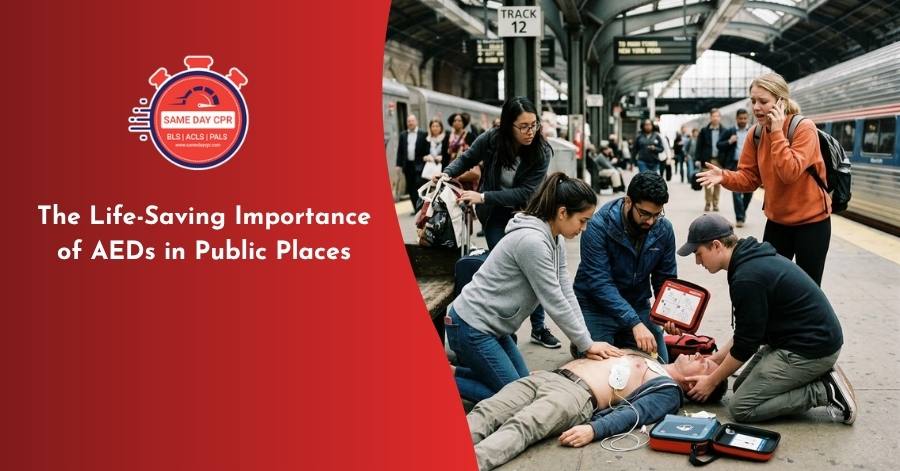
Time is critical when someone experiences sudden cardiac arrest (SCA). In this life-threatening emergency, the heart suddenly stops pumping blood effectively, preventing oxygen from reaching the brain and other vital organs. Without immediate treatment, survival chances decrease rapidly.
An Automated External Defibrillator (AED) is a life-saving device developed to provide urgent treatment during SCA before emergency medical professionals arrive. By analysing the heart’s rhythm and delivering a shock when needed, an AED can help restore a normal heartbeat and significantly improve the chance of survival.
Because cardiac arrests can happen anywhere and at any time, having AEDs available in public places such as schools, workplaces, shopping centres, airports, sports facilities, and community spaces is essential. Quick access to an AED allows ordinary people to provide immediate help during the critical minutes when professional medical assistance may still be on the way.
Why Sudden Cardiac Arrest Requires Immediate Action
Sudden cardiac arrest is different from a heart attack. A heart attack occurs when blood flow to part of the heart muscle becomes blocked, while SCA happens when the heart’s electrical system fails, causing it to stop pumping effectively. During sudden cardiac arrest:
- The person usually collapses and becomes unresponsive.
- Normal breathing stops or becomes abnormal.
- Blood circulation to the brain and organs is interrupted.
- Immediate CPR (Cardiopulmonary Resuscitation) and defibrillation are required.
The first few minutes after cardiac arrest are critical. CPR helps maintain blood flow, but an AED is needed to correct dangerous heart rhythms that may prevent the heart from beating normally.
Why AEDs in Public Places Save Lives
Most cardiac arrests occur outside hospitals, meaning the first person available to help is often a bystander. The time between collapse and professional medical arrival can determine whether a person survives. Public access AEDs help close this critical gap by providing:
- Immediate access to defibrillation before paramedics arrive.
- Faster treatment during the most important minutes after cardiac arrest.
- A greater chance of restoring a normal heart rhythm.
- Better survival outcomes when combined with CPR.
An AED located nearby can turn a life-threatening emergency into a survivable event.
How an AED Works During a Cardiac Emergency
AEDs are made to be simple and safe for use by both trained responders and members of the public. Modern AEDs provide clear voice instructions and visual guidance, allowing users to respond confidently during an emergency. However, there are some special considerations when using an AED, such as ensuring the chest is dry, following pad-placement instructions carefully, and keeping everyone clear during analysis and shock delivery. Understanding these considerations can help bystanders use an AED safely and effectively during a cardiac emergency.
- Turning on the AED.
- Attaching the electrode pads to the person’s bare chest.
- Allowing the AED to analyse the heart rhythm.
- Delivering a shock if a dangerous rhythm is detected.
- Continuing CPR while following the AED’s instructions.
AEDs include built-in safety features that prevent unnecessary shocks. The device only delivers a shock when it identifies a rhythm that can be treated with defibrillation.
The Importance of Combining CPR and AED Use
CPR keeps oxygenated blood moving through the body until further treatment is available. However, CPR alone usually cannot restore a normal heart rhythm. An AED addresses the electrical problem by delivering a shock when required. Together, the following actions provide the best chance of survival:
- Early recognition of cardiac arrest.
- Immediate emergency response.
- Continuous CPR.
- Rapid AED use.
- Professional medical care.
Why Every Public Location Should Have an AED
Cardiac emergencies can happen in any environment, including places where healthy and active people gather. AED availability should not depend on a person’s age, health history, or location. Public places that benefit from AED access include:
Schools and Universities
Students, teachers, staff, and visitors may experience cardiac emergencies during daily activities, physical education, or sporting events. Having AEDs available allows immediate action when every second matters.
Workplaces
Employees, visitors, and contractors spend many hours in workplaces. An AED provides an important safety measure when emergency medical help is not immediately available.
Airports and Transport Hubs
Large numbers of people pass through transport locations every day. The distance and time required for emergency responders to reach someone make AED access especially valuable.
Shopping Centres and Retail Areas
Busy public environments bring together thousands of people. Easily accessible AEDs allow quick intervention for customers, employees, and visitors.
Sports Facilities and Gyms
Physical activity can increase the risk of cardiac emergencies in some individuals. AEDs provide immediate support when SCA occurs during exercise or competition.
Community Centres and Public Venues
Places where people gather for events, meetings, and activities should be prepared to respond to unexpected medical emergencies.
AEDs Empower Bystanders to Take Action
A major reason AEDs are important in public places is that they allow non-medical people to become immediate responders.
Many people hesitate during emergencies because they fear making a mistake. AEDs are created to reduce this concern by providing step-by-step instructions and automatically determining whether a shock is necessary. Anyone nearby can help by:
- Calling emergency services.
- Starting CPR.
- Using the available AED.
- Following the device instructions until help arrives.
A fast response from a bystander can make the difference between life and death.
Common Myths About Public AED Use
Have you ever wondered who can use an AED or how it works during an emergency? Let’s clear up some common misunderstandings and learn why these devices can help save lives when people use them correctly.
Myth: Only healthcare professionals can use an AED.
Fact: AEDs are intended for public use. Clear instructions allow trained and untrained individuals to operate them safely.
Myth: An AED may shock someone unnecessarily.
Fact: AEDs analyse the heart rhythm first and only deliver a shock when it is medically required.
Myth: AEDs replace CPR.
Fact: AEDs and CPR work together. CPR maintains circulation, while the AED helps restore a normal rhythm.
Myth: Using an AED is complicated.
Fact: Modern AEDs are simple to operate and guide users through every step.
Making AEDs Effective in Public Places
Having an AED available is only useful if people can quickly find and use it. Effective AED programmes require:
- Visible Placement: AEDs should be placed in locations that are easy to access and clearly marked with signs.
- Regular Maintenance: Batteries, electrode pads, and device functions should be checked regularly to ensure the AED is ready during an emergency.
- Public Awareness and Training: Basic CPR and AED training helps people respond confidently and reduces hesitation.
- Emergency Response Planning: Organisations should include AED access in their emergency procedures so everyone understands what to do during cardiac emergencies.
The Future of Public Access AEDs
Technology is making AEDs easier to manage and access. Newer systems can include remote monitoring, automatic status checks, and improved guidance features.
Communities are also expanding public access AED programmes by placing more devices in schools, workplaces, transport centres, and public spaces.
The future of emergency response depends on making life-saving equipment available wherever people live, work, and gather.
AEDs Make Communities Safer
In short, an AED is more than a medical device; it is a critical life-saving tool that provides immediate help when someone experiences sudden cardiac arrest.
Because survival depends on rapid action, AEDs in public places give communities the ability to respond before emergency professionals arrive. When combined with CPR, quick access to an AED can restore a heartbeat, protect brain function, and give people a second chance at life.
Every public place equipped with an AED becomes a safer environment where bystanders have the power to save lives.