-
 30,000+ Students Successfully Trained Annually
-
30,000+ Students Successfully Trained Annually


-
30,000+ Students Sucessfully Trained Annually

 30,000+ Students Successfully Trained Annually
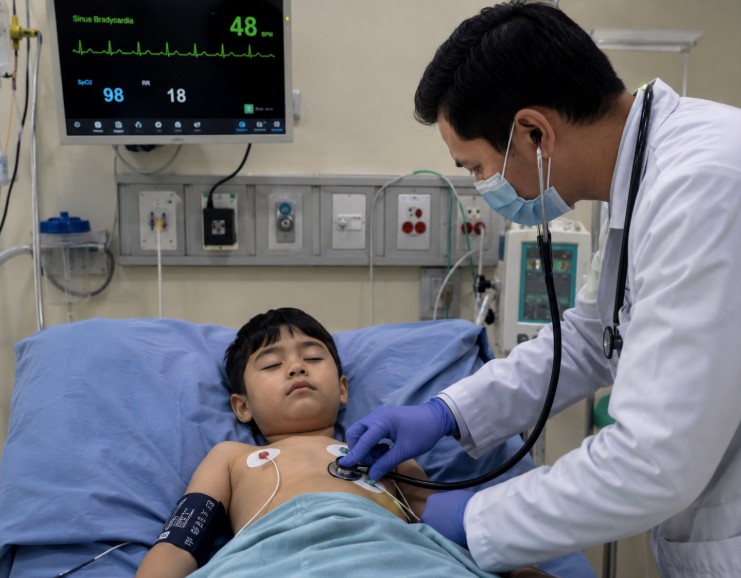
Among the many pediatric emergencies encountered in clinical practice, bradycardia with a pulse is particularly concerning because it often signals severe underlying physiological compromise rather than an isolated cardiac problem. Pediatric bradycardia with a pulse is characterized by a slower-than-normal heart rate in the presence of a detectable pulse. It becomes clinically significant when the slow heart rate is accompanied by signs of poor perfusion, altered mental status, weak pulses, hypotension, or shock. In children, bradycardia is most commonly caused by respiratory failure or inadequate oxygenation rather than a primary cardiac disorder. Therefore, prompt assessment of the child’s airway, breathing, circulation, oxygenation, and underlying causes is essential, as untreated bradycardia can rapidly progress to cardiac arrest.
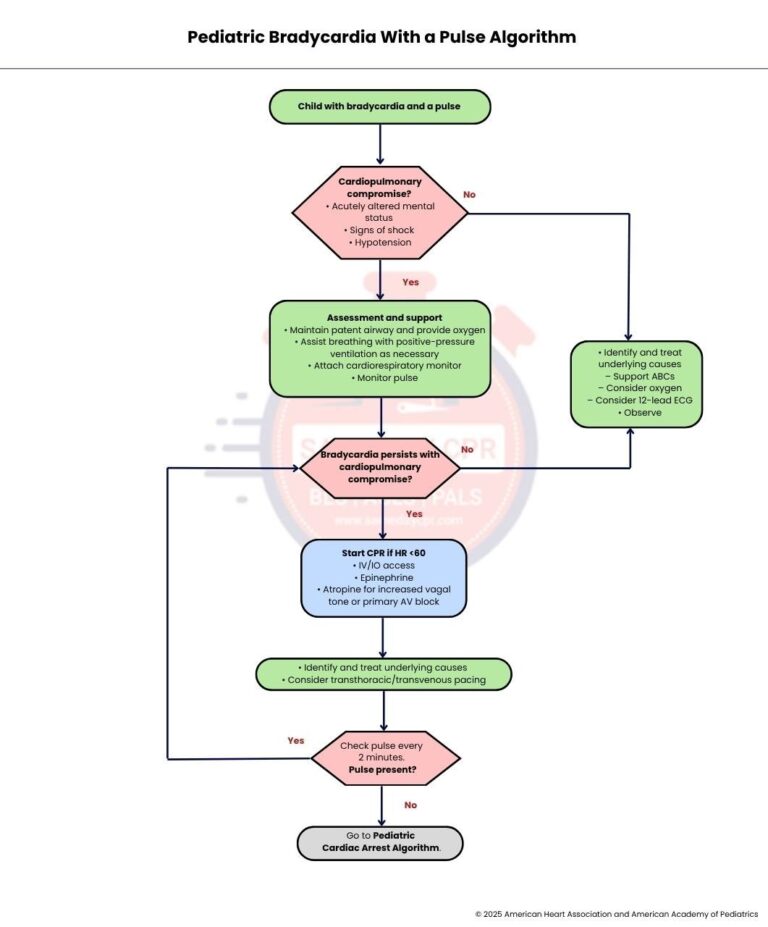
The Pediatric Bradycardia with a Pulse Algorithm, developed by the American Heart Association and American Academy of Pediatrics as part of Pediatric Advanced Life Support (PALS), provides healthcare providers with a structured approach to recognizing and treating this emergency. The algorithm emphasizes ensuring adequate oxygenation and ventilation, monitoring the heart rhythm, identifying reversible causes, and administering medications such as Epinephrine when appropriate. If the child’s heart rate remains below 60 beats per minute despite effective oxygenation and ventilation and there are signs of poor perfusion, the algorithm recommends starting cardiopulmonary resuscitation (CPR) and considering advanced interventions such as pacing. This systematic approach helps improve patient outcomes by promoting timely, evidence-based treatment.
Note: This pediatric bradycardia with a pulse algorithm guideline remains valid for the period 2025–2030.
Bradycardia in a child can become serious if it affects blood flow to the body. This guide explains each step in a clear way so you can understand what to do and why each action matters.
This algorithm is used for a child who has bradycardia, which means the heart is beating slower than normal, but the child still has a pulse. A slow heart rate can be caused by problems such as lack of oxygen, breathing difficulties, heart disease, or certain medications. The first goal is to recognize that the child still has a pulse and quickly assess the child's condition to decide whether immediate treatment is needed.
At this step, determine whether the child is showing signs that the slow heart rate is affecting the heart and lungs. Look for an acutely altered mental status, which means the child is unusually sleepy, confused, or unresponsive. Check for signs of shock, such as cool skin, weak pulses, poor capillary refill, or pale appearance. Also assess for hypotension, which is abnormally low blood pressure and may indicate poor circulation. If any of these signs are present, proceed to Step 3 because the child requires immediate support. If none of these signs are present, proceed to Step 9 to continue monitoring and treating any underlying cause.
Begin by maintaining a patent airway and providing oxygen to ensure the child receives enough oxygen. If the child is not breathing adequately, assist breathing with positive-pressure ventilation using a bag-mask device or another appropriate method. Next, attach a cardiorespiratory monitor to continuously observe the heart rate, heart rhythm, and oxygen levels. Finally, monitor the pulse closely to determine whether the heart rate improves or continues to worsen despite these supportive measures.
After providing airway support, oxygen, and ventilation, reassess the child's condition. Determine whether the bradycardia still persists along with signs of cardiopulmonary compromise. If the heart rate improves and the signs of poor circulation resolve, proceed to Step 9 for continued observation and treatment of the underlying cause. However, if the slow heart rate continues and the child remains unstable, proceed to Step 5 for more advanced interventions.
If the child's heart rate is less than 60 beats per minute despite adequate oxygenation and ventilation, begin cardiopulmonary resuscitation (CPR) immediately because circulation is no longer sufficient. Establish intravenous (IV) or intraosseous (IO) access so medications can be administered quickly. Give epinephrine to increase the heart rate and improve blood circulation. If the bradycardia is caused by increased vagal tone or a primary atrioventricular (AV) block, administer atropine as it may help increase the heart rate in these specific situations.
Continue searching for and treating the condition that caused the bradycardia, such as lack of oxygen, electrolyte imbalances, hypothermia, or heart disease. If the heart rate remains dangerously slow despite medications and supportive care, consider transthoracic pacing, which delivers electrical impulses through pads placed on the chest, or transvenous pacing, in which a pacing wire is inserted into a vein to stimulate the heart directly. These methods may help restore an adequate heart rate when other treatments are unsuccessful.
Reassess the child's pulse every 2 minutes while continuing resuscitation efforts. Determine whether a pulse is present. If a pulse is present, return to Step 4 to reassess whether the bradycardia and signs of cardiopulmonary compromise persist. If no pulse is present, the child has progressed to Step 8, cardiac arrest, and requires immediate transition to the next step.
Step 8: Go to the Pediatric Cardiac Arrest Algorithm
If the child no longer has a pulse, immediately follow the Pediatric Cardiac Arrest Algorithm. This includes continuing high-quality CPR, providing appropriate medications, managing the airway, identifying the heart rhythm, and treating reversible causes according to pediatric advanced life support (PALS) guidelines.
If the child does not have signs of cardiopulmonary compromise or has improved after treatment, continue to identify and treat the underlying causes of the bradycardia. Support the ABCs (Airway, Breathing, and Circulation) to ensure the child's basic life functions remain stable. Consider giving oxygen if needed to maintain adequate oxygen levels. Consider obtaining a 12-lead ECG to evaluate the heart's electrical activity and identify any rhythm abnormalities or conduction problems. Finally, observe the child closely for any changes in condition, as further treatment may be needed if the bradycardia worsens.
This section explains the key principles of caring for a child with a slow heart rate who still has a pulse. It highlights the medicine doses, common causes, and the steps that help restore a normal heart rate and improve blood flow during an emergency.
When a child’s heart rate becomes very slow, quick treatment can make a big difference. These medicine doses help support the heart and improve blood flow during an emergency.
1. Epinephrine IV/IO dose:
The recommended dose of epinephrine is 0.01 mg/kg given through the intravenous (IV) or intraosseous (IO) route using the 0.1 mg/mL concentration. The maximum single dose is 1 mg, and it helps increase the heart rate and improve blood circulation during severe bradycardia.
2. Atropine IV/IO dose:
The recommended dose of atropine is 0.02 mg/kg given through the IV or IO route, and it may be repeated once if needed. The minimum dose is 0.1 mg, and the maximum single dose is 0.5 mg, making it useful for treating bradycardia caused by increased vagal tone or certain types of heart block.
A slow heart rate in a child can happen for many different reasons. Finding the cause as quickly as possible helps guide the right treatment and improve the child’s condition.
1. Hypothermia
Hypothermia occurs when the body’s temperature drops below normal, causing body functions to slow down. A low body temperature can slow the heart rate and lead to bradycardia.
2. Hypoxia
Hypoxia means the body’s tissues are not getting enough oxygen. This is one of the most common causes of bradycardia in children and should be corrected immediately.
3. Toxins/Medications
Certain poisons or medications can slow the heart rate by affecting the heart’s electrical system. Identifying and stopping the harmful substance is an important part of treatment.
4. Increased Intracranial Pressure
Increased intracranial pressure means there is too much pressure inside the skull, often due to brain injury or illness. This pressure can slow the heart rate and is a medical emergency that requires prompt treatment.
5. Increased Vagal Tone
The vagus nerve helps control the heart rate, and excessive stimulation can slow the heart too much. This may happen during pain, vomiting, suctioning, or other reflex responses.
6. Heart Block
Heart block is a problem with the electrical signals that control the heartbeat. It can cause the heart to beat more slowly because the signals are delayed or blocked.
7. Physiologic/Appropriate
Sometimes a slow heart rate is normal and does not indicate a medical problem. For example, healthy athletes or children who are sleeping may naturally have a slower heart rate without any symptoms.
In short, pediatric bradycardia with a pulse algorithm gives healthcare providers a clear and organized path for recognizing and treating a child with a slow heart rate before the condition becomes more serious. By focusing on early assessment, effective airway and breathing support, careful monitoring, and timely treatment, providers can improve blood flow and reduce the risk of cardiac arrest. Finding and treating the underlying cause is just as important as managing the heart rate because lasting recovery depends on correcting the problem that triggered the emergency. Regular practice with this algorithm also helps medical teams respond with confidence and work together during stressful situations. Following these steps can lead to faster decisions, better care, and improved outcomes for children who need urgent medical attention.
At Same Day CPR, we offer comprehensive PALS training that equips healthcare professionals with the knowledge and hands-on skills to confidently recognize and manage pediatric bradycardia and other life-threatening pediatric emergencies. Enroll today to stay prepared when every moment matters.