


CPR (Cardiopulmonary Resuscitation) training is essential for improving survival rates in medical emergencies, especially cardiac arrest, where every second counts. In Columbia, SC, having more trained individuals in workplaces, schools, and community spaces can significantly increase the chances of saving lives before professional help arrives.
Choosing a trusted, certified CPR provider is just as important as the training itself. Not all courses meet nationally recognized standards, and some may lack proper instruction, hands-on practice, or valid certification. Selecting an accredited provider, such as those aligned with the American Heart Association (AHA), helps ensure up-to-date, evidence-based training that is widely accepted.
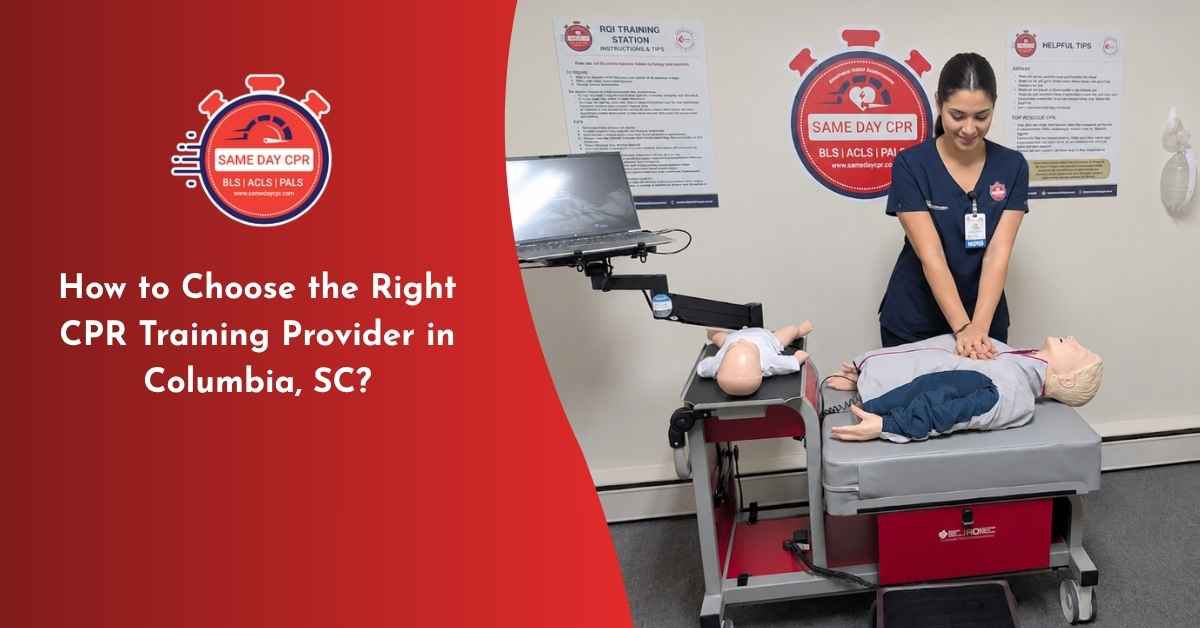
A quality CPR program should go beyond theory by including hands-on practice with manikins, clear emergency response guidance, and AED training. Strong courses also build confidence, helping learners stay calm, recognize cardiac arrest quickly, and respond effectively until help arrives.
Understand CPR Certification Types in Columbia, SC
Columbia, SC, offers several nationally recognized CPR certifications for healthcare professionals, first responders, and individuals looking to improve emergency response skills. The right certification depends on your job, workplace requirements, and level of medical responsibility, with options like BLS, ACLS, and PALS covering different emergency care needs.
Basic Life Support (BLS) Certification
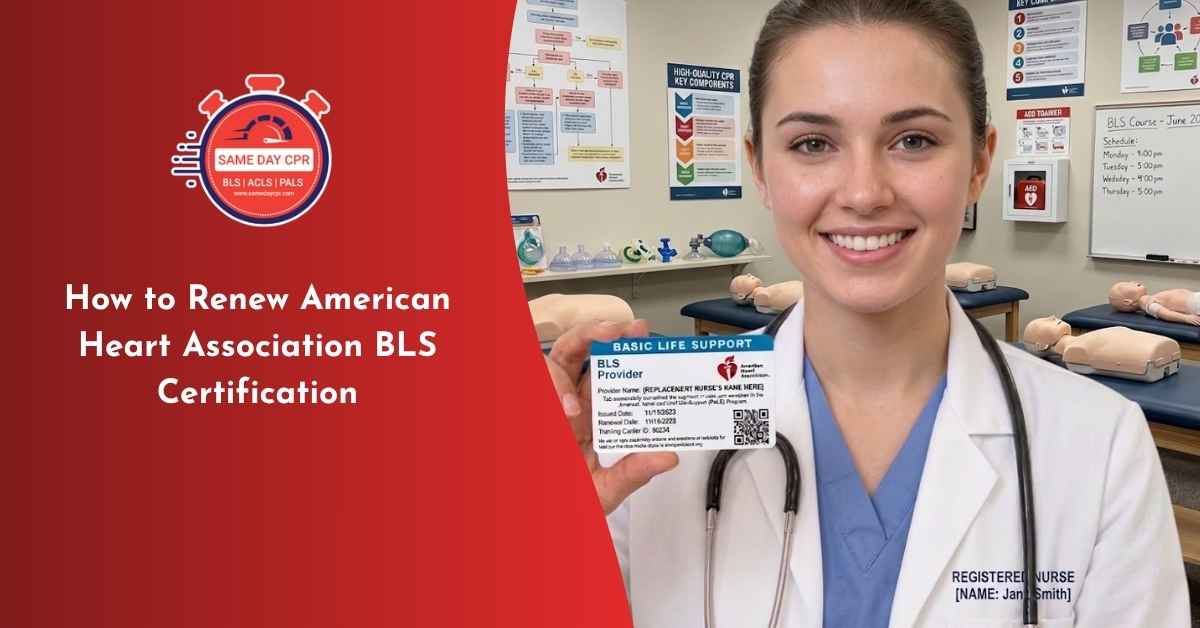
BLS certification is one of the most widely required CPR credentials for healthcare workers in Columbia. This training teaches participants how to perform high-quality CPR for adults, children, and infants, use an Automated External Defibrillator (AED), and respond to choking emergencies.
Who should take it: Nurses, physicians, EMTs, medical students, dental professionals, and other healthcare personnel working in hospitals, clinics, and medical facilities throughout Columbia.
Advanced Cardiovascular Life Support (ACLS) Certification
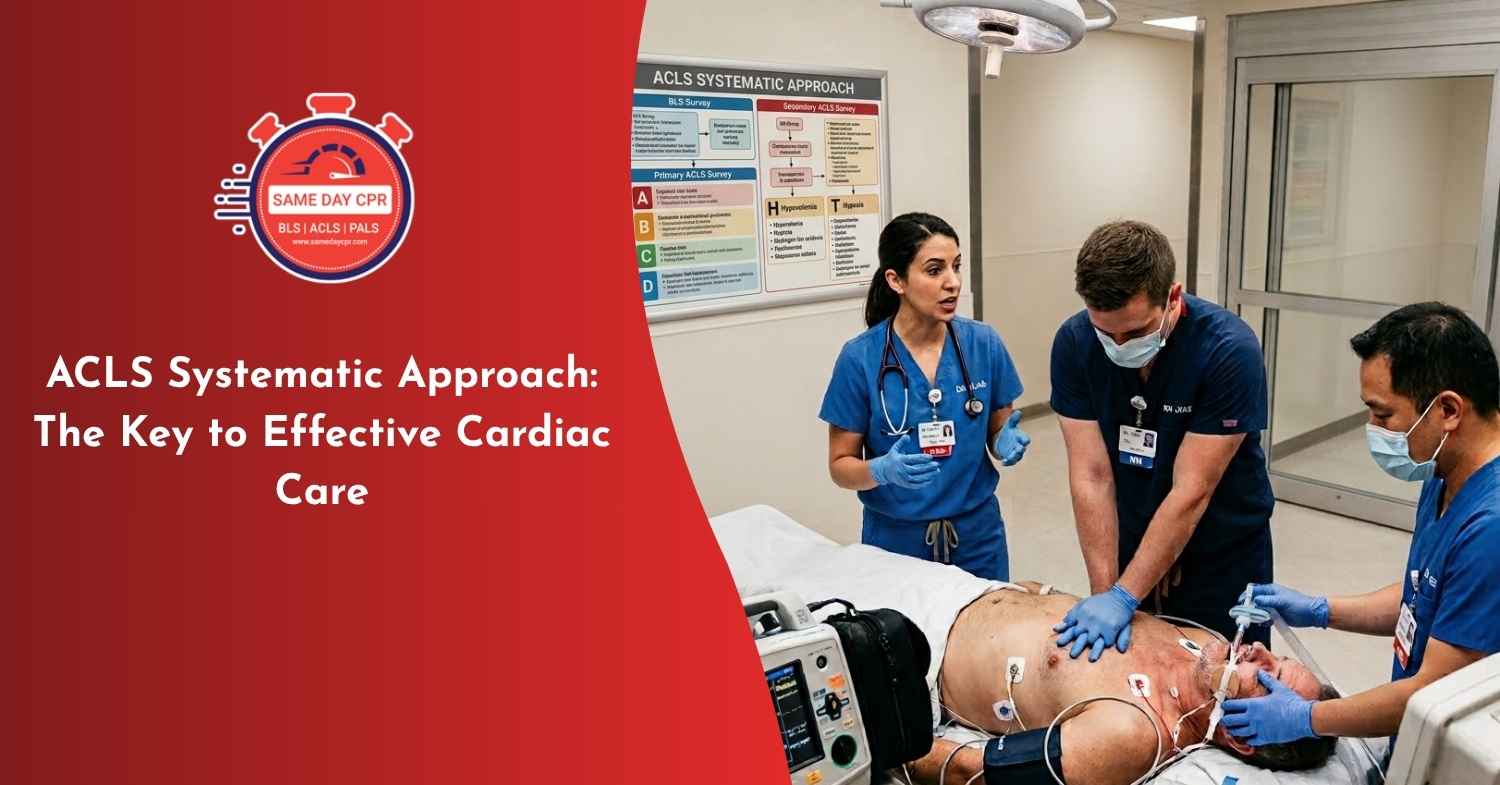
ACLS certification is intended for healthcare professionals who manage cardiac arrest, stroke, and other cardiovascular emergencies. The course builds upon BLS skills and includes advanced airway management, cardiac rhythm interpretation, emergency medications, and team-based resuscitation techniques.
Who should take it: Doctors, nurse practitioners, respiratory therapists, paramedics, and emergency medical staff working in acute care or emergency settings in Columbia.
Pediatric Advanced Life Support (PALS) Certification
PALS certification focuses on the emergency treatment of infants and children experiencing respiratory or cardiac emergencies. Participants learn pediatric assessment methods, life-saving interventions, and coordinated emergency response techniques for critically ill children.
Who should take it: Pediatric nurses, pediatricians, emergency department personnel, paramedics, and healthcare providers in Columbia who regularly care for infants and children.
Understanding the differences between these CPR certifications can help you choose the program that best fits your career goals and employer requirements in Columbia, SC. Before enrolling, it’s a good idea to confirm specific certification requirements with your employer, licensing board, or healthcare facility.
Verify Accreditation and Certification Authenticity
When selecting a CPR training provider in Columbia, South Carolina, it’s important to carefully evaluate accreditation and the validity of the certification offered. A properly recognized certification ensures your training is current, accurate, and accepted by employers and institutions.
Why Recognized Certifications Matter
A legitimate CPR certification demonstrates the quality and credibility of your training. It shows that:
- The course is based on scientifically supported guidelines.
- Training follows standardized and regularly updated procedures.
- Employers and institutions are more likely to accept the certification.
- You’ve gained hands-on, practical lifesaving skills rather than just theory.
Without proper recognition, a certification may not be accepted for employment, compliance, or professional licensing requirements.
Choose Providers Affiliated with Reputable Organizations
It’s best to choose training providers affiliated with nationally or internationally recognized accrediting bodies, as this ensures the course follows evidence-based standards and that certifications are widely accepted by employers. Accredited programs typically offer structured training aligned with current emergency cardiovascular care guidelines.
To verify credibility, check the provider’s website for accreditation details and confirm them through the official accrediting organization’s directory. If no verifiable affiliation exists, proceed with caution.
Ensure the Certification Matches Your Goals
Before enrolling, make sure the certification aligns with your needs:
- Work Requirements: Many employers, especially in healthcare, education, and fitness, require accredited CPR training.
- Professional Trust: Recognized certifications are valued across industries due to their rigorous standards.
- Expiration and Renewal: Most CPR certifications must be renewed every two years to keep skills up to date.
- Hands-On Training: Accredited courses emphasize practical experience to build confidence in emergencies.
Choosing a CPR provider affiliated with a recognized accrediting organization ensures your certification is meaningful, widely accepted, and truly prepares you to respond effectively when it matters most.
Review the Course Material and Curriculum Structure
When choosing a CPR training provider in Columbia, SC, it’s important to carefully review the course content and overall curriculum. High-quality programs should offer thorough, hands-on, and research-based instruction that truly prepares you for real-life emergencies.
Does It Cover Core CPR Skills?
A reliable CPR course should teach techniques for all age categories.
- Adult, Child, and Infant CPR: Proper CPR varies depending on the patient’s age and size. Learning how to perform CPR on adults, children, and infants ensures you’re prepared to respond effectively in different settings, whether at home, in the workplace, or in public.
- Full Emergency Response Skills: A solid program should also teach how to recognize cardiac arrest, perform effective chest compressions, give rescue breaths, and respond to choking incidents across all age groups.
AED Training
AED instruction is a crucial component of any trustworthy CPR course. The use of an Automated External Defibrillator alongside CPR greatly improves survival chances during cardiac emergencies. Training should include:
- Proper and safe use of an AED
- When and how to apply it in emergencies
- Coordinating AED use with CPR techniques
Practical AED practice is especially important, as it helps build confidence and ensures quick, accurate action under pressure.
Basic First Aid Training
Many comprehensive CPR programs also include first aid education, giving you broader skills to manage a variety of emergencies beyond cardiac arrest. This typically involves treating cuts and bleeding, handling burns and injuries, and identifying conditions like shock and other urgent medical issues. Together, CPR and first aid training provide stronger overall emergency readiness for everyday situations.
Compliance with Updated CPR Guidelines
Trusted providers consistently revise their training materials to reflect the most recent developments in emergency cardiovascular care. It is important to select courses that incorporate up-to-date best practices, including proper compression rate and depth, rescue breathing methods, and overall emergency response procedures. Choosing a provider that maintains current curriculum standards ensures you receive accurate, practical training that equips you with the confidence and skills needed to respond effectively in critical situations.
Training Structure and Learning Flexibility
When selecting a CPR training provider in Columbia, SC, it’s important to consider how the course is delivered and how adaptable it is to different learners. The best providers built their programs to match various schedules, learning preferences, and professional requirements, helping students absorb and retain lifesaving skills more effectively.
Available Training Options from a Quality Provider
A strong CPR training provider should typically include several learning formats, such as:
- Blended Learning (Online + In-Person): This approach allows you to complete the theory portion online at your own speed before attending a hands-on session to demonstrate practical skills. It reduces classroom time while still ensuring proper skill verification.
- Fully In-Person Classes: In this format, both instruction and hands-on practice are completed in a single classroom session. It is ideal for those who learn best through direct guidance and real-time interaction with instructors.
- Renewal or Skills Refresher Sessions: Developed for individuals renewing certification, this option focuses on practical skill evaluation rather than repeating the entire course, making the renewal process quicker and more efficient.
A trustworthy provider will clearly explain what each format involves, how long it takes, and which option best aligns with your goals and certification requirements.
Essential Features Across All Formats
No matter which training style you choose, certain core elements should always be included:
- Practical, hands-on training using manikins and AED equipment
- Immediate feedback on performance through guided or simulation-based tools
- A required skills assessment before certification is awarded, not just written or online testing
Avoid programs that rely only on videos, slides, or quizzes without practice. CPR is a hands-on skill, and it must be physically practiced to be effective in emergencies.
Scheduling Options and Convenience
Flexibility in scheduling is also key. Look for providers that allow the online portion to be completed whenever it suits you, offer multiple in-person class times, and can accommodate both individual learners and group sessions. The goal is to make training fit smoothly into your routine rather than interrupt it.
Location and Ease of Access
Where a CPR training center is located and how accessible it is can significantly impact whether you complete the course. Even high-quality training becomes difficult if the location or logistics create unnecessary obstacles.
Distance from Home or Workplace
Choosing a training center near your home or workplace reduces travel time and makes attendance much more manageable. It becomes easier to join evening or weekend classes, stay punctual, and concentrate on learning and hands-on practice instead of dealing with a long commute.
On-Site and Workplace Training Options
Many providers offer on-site training, bringing the course directly to locations such as offices, schools, or private facilities. Corporate training programs are designed for organizations like hospitals, businesses, and industrial workplaces, with schedules arranged to fit operational needs. This approach is especially useful when several employees need certification at the same time.
Choosing Between Individual and Group Training
For individual learners, it’s best to select a provider with flexible scheduling and a nearby or easily accessible location. For groups or organizations, look for providers that offer on-site instruction, discounted group rates, and scheduling that reduces disruption to daily operations. Some training companies specialize in large-scale certification and can efficiently train entire teams in a single coordinated session.
Reputation and Student Feedback
When choosing a CPR training provider, reviews and reputation offer valuable insight beyond course descriptions. Feedback from past participants often highlights clear instruction, strong hands-on practice, and increased confidence in emergency response.
Recommendations from colleagues, employers, and peers are especially useful in healthcare, education, and safety-related fields, as they reflect real-world training value. Many learners also report feeling better prepared and more confident after completing the course, with some even using their skills in real emergencies.
Overall, providers with consistently strong reviews and trusted referrals are more likely to deliver practical, effective training that builds real lifesaving skills, not just certification.
Cost and Overall Value of CPR Training
While cost is an important factor when selecting a CPR training provider, it should not be the sole deciding point. The value comes from balancing price with training quality, certification recognition, and the practical skills gained.
Comparing Provider Pricing
CPR training costs vary based on course level, format, and location. Basic CPR and AED courses are usually more affordable, while advanced or healthcare-focused programs cost more due to expanded content and stricter standards. Blended learning, in-person classes, and included materials can also affect pricing.
Accredited programs are often a better benchmark, as they are more widely accepted by employers than non-recognized options.
What Should Be Included in the Price
Before enrolling, check that the fee includes key essentials such as training materials, hands-on practice with manikins and AEDs, an official certification card, and access to renewal options. Most CPR certifications are valid for about two years.
Programs that include full hands-on training and widely accepted certification often provide better long-term value than lower-cost options that exclude important components.
Why Choosing Based on Price Alone Can Be Risky
Low-cost courses may skip practical training, provide certifications that are not widely accepted, or rely on less experienced instructors. This can result in having to retake a proper course later, effectively increasing overall costs.
Accredited training ensures standardized, practical skills that are applicable in emergencies. When evaluating options, it’s better to focus on overall value rather than the lowest price, since quality training directly impacts your ability to respond effectively when it matters most.
Certification Renewal and Ongoing Support
Before enrolling in a CPR training program, it’s important to understand how certification renewal works, as this helps ensure your skills remain up to date and your credentials do not expire unexpectedly. Reputable providers follow a clear and organized renewal system designed to maintain long-term competency.
Certification Duration
In most accredited programs, CPR certification is valid for about two years. This renewal cycle helps ensure learners stay aligned with the latest emergency cardiovascular care guidelines, which can change as new research and standards are introduced over time.
Renewal and Refresher Options
As certification nears expiration, reputable providers offer structured renewal courses that review key skills like adult, child, and infant CPR, AED use, and updated emergency response guidelines.
Many programs use a blended format, combining online review with an in-person skills session. While a hands-on assessment is still required, renewal courses are typically shorter than initial certification while maintaining the same competency standards.
Continued Learning and Support
Quality providers also support learners after certification by offering access to updated guidelines, refresher materials, and practice resources. Some may also send recertification reminders and guide renewal steps or skill-related questions.
Ongoing support and clear renewal pathways ensure your certification stays current and your skills remain sharp, so you remain confident and prepared in emergencies.
Key Questions to Ask Before Enrolling in CPR Training
Before choosing a CPR training provider in Columbia, SC, it’s important to get clear answers to a few essential questions:
- Is the program accredited, and by which organization? A reputable provider should be able to state this clearly without hesitation.
- What is included in the course? Make sure it covers adult, child, and infant CPR, AED training, and practical hands-on instruction.
- What certification will I receive, and how long is it valid? You should fully understand the certification you’re earning and its expiration period.
- What is the renewal process? A reliable provider will have a straightforward and well-defined renewal system.
- Does the course include hands-on training, or is it fully online? Avoid any program that does not include in-person skill practice.
- Do you provide group or on-site training options? This is especially important for workplaces or team enrollment.
If a provider avoids answering these questions clearly or provides vague responses, it’s best to consider other options.
Warning Signs of a Low-Quality CPR Training Provider
Recognizing a poor CPR training provider is just as important as identifying a reputable one. An inadequate course may leave you unprepared in real-life emergencies, even if you receive a certificate at the end.
- Lack of Accreditation: A CPR provider without proper accreditation may not follow current, evidence-based guidelines. As a result, the certification they issue may not be accepted by employers, schools, or official institutions.
- No Practical, Hands-On Training: CPR must be learned through physical practice, not just theory. Courses that rely only on videos or lectures without a manikin or AED practice leave learners underprepared for real emergencies.
- Unclear Certification Information: Reliable providers clearly explain what certification you will receive and who issues it. If this information is missing or vague, it may indicate a lack of transparency and professionalism.
- Aggressive or High-Pressure Enrollment: Trustworthy training providers give you time to make an informed choice without pressure. If a course uses urgency tactics or pushes immediate signup, it is best to be cautious.
Find CPR Training That Prepares You When It Matters Most
In short, choosing the right CPR training provider in Columbia, SC comes down to finding a program that is trusted, clear, and focused on real skill building. A good provider offers certified instruction, hands-on practice, and updated guidance that prepares you for real emergencies. It also fits your schedule and gives you confidence through simple teaching and supportive instructors. When you take time to compare options, you can avoid weak courses and choose training that is recognized and reliable. The right decision helps you gain practical ability that stays with you long after the class ends and prepares you to respond when someone needs help the most.
At Same Day CPR, we provide American Heart Association (AHA) CPR certification courses, including BLS, ACLS, and PALS. Our flexible hybrid format allows you to finish the online coursework at your own pace, followed by a short in-person skills session at a CPR Verification Station. You’ll receive your certification on the same day, supported by our 100% pass rate.