



Cardiopulmonary Resuscitation (CPR) is a life-saving technique used in emergencies when someone’s heartbeat or breathing has stopped. Knowing how to perform CPR correctly can mean the difference between life and death, making it an essential skill for both healthcare professionals and the general public.
In recent years, the demand for CPR certification has grown significantly. Workplaces, schools, and public spaces increasingly require trained individuals to respond to emergencies effectively. As a result, people are exploring different ways to acquire this critical skill.
This has led to a debate between two main approaches: Fast-Track CPR Classes, which offer condensed, time-efficient training, and Traditional CPR Training, which provides a more comprehensive and in-depth learning experience.
Understanding the differences, benefits, and limitations of these two formats can help individuals make an informed decision about which CPR training method best suits their needs and circumstances.
Overview of CPR Training Types
There are different ways to learn CPR, and each approach helps you build lifesaving skills. Let’s take a closer look at traditional CPR training and fast-track CPR classes to see what works best for you.
1. Traditional CPR Training
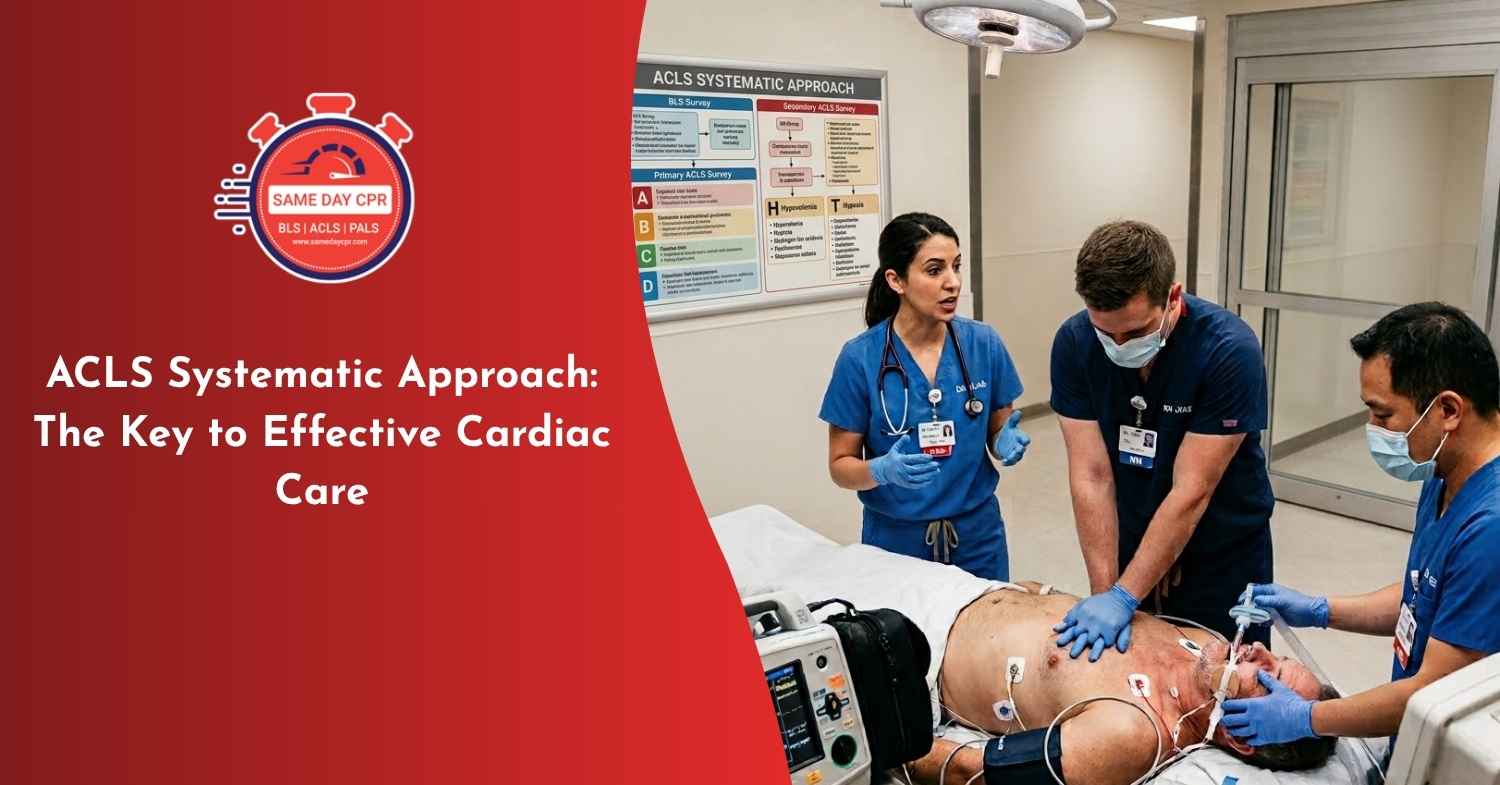
Traditional CPR training is a comprehensive, instructor-led program designed to teach participants the full range of CPR techniques. These classes typically last between 4-8 hours, allowing learners to thoroughly practice and master the steps involved in responding to cardiac emergencies.
The training is usually in-person and emphasizes hands-on practice, often using mannequins and real-life scenarios to simulate emergencies. Participants receive detailed guidance on proper chest compression techniques, rescue breathing, and the use of automated external defibrillators (AEDs).
Traditional CPR classes are ideal for healthcare providers, first responders, and members of the general public who want a deep understanding of CPR and are prepared to invest the time needed for full certification.
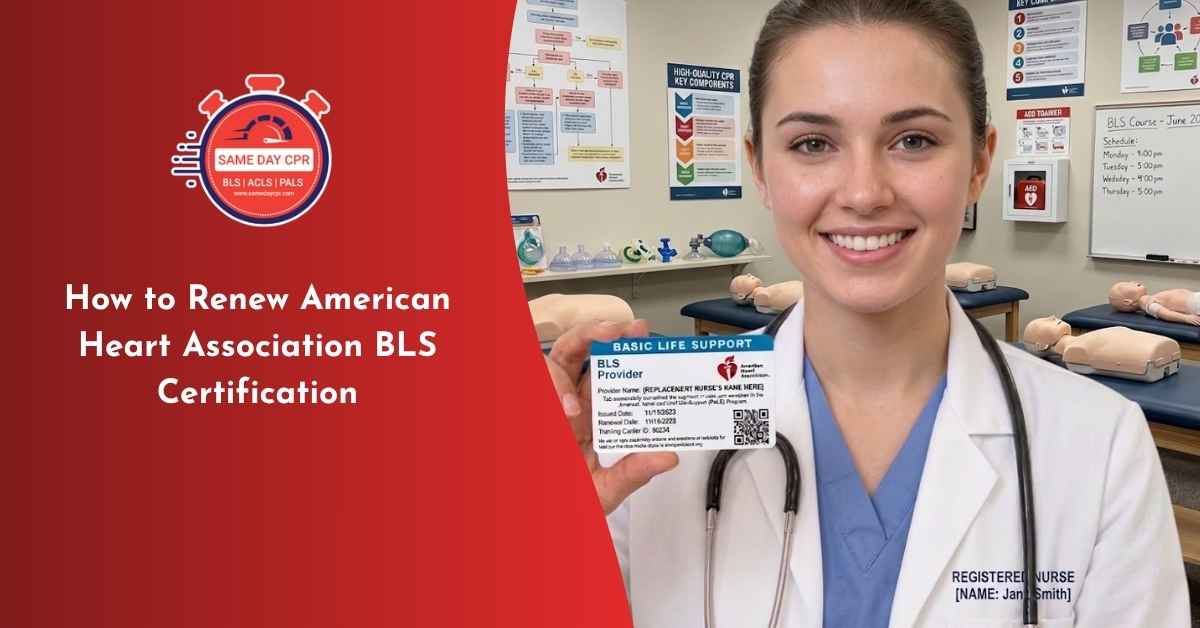
Example: A nurse or healthcare worker may choose traditional CPR to gain comprehensive skills. This training gives them hands-on practice, in-depth knowledge, and confidence to handle a wide range of emergencies.
1a. Advantages of Traditional CPR Training
- Traditional CPR training helps you fully understand the techniques you need to save lives. You get a solid foundation and clear guidance on how to perform each step correctly.
- It gives you plenty of hands-on practice with different scenarios. Practicing in realistic situations helps you react calmly and effectively when an emergency happens.
- This training builds your confidence. By learning and practicing thoroughly, you feel ready and capable of handling real-life emergencies without hesitation.
1b. Disadvantages of Traditional CPR Training
- Traditional CPR training can take a lot of time to complete. The detailed lessons and practice sessions require a bigger commitment.
- It also costs more compared to shorter courses. The extra resources and extended training contribute to a higher price.
- Scheduling can be tricky. Because the sessions last longer, you may need to plan carefully to fit them into your day.
2. Fast-Track CPR Classes
Fast-Track CPR classes are condensed programs designed to teach the essential skills of CPR in a shorter timeframe, typically 1-3 hours. The focus is on rapid skill acquisition rather than extensive theory or advanced scenarios.
These classes may be offered in-person, online, or as blended courses, providing flexibility for participants with busy schedules. The training emphasizes practical techniques that can be applied immediately in emergencies, though advanced procedures may be covered less thoroughly.
Fast-Track CPR courses are best suited for time-constrained professionals, office staff, teachers, or laypersons who need to acquire certification quickly without sacrificing the core competencies needed to respond effectively in an emergency.
Example: Office staff or employees may choose fast-track CPR for quick compliance. These classes help them get certified in less time while still learning the essential lifesaving steps.
2a. Advantages of Fast-Track CPR Classes
- Fast-Track CPR classes save time and make learning easy to fit into your schedule. You can quickly gain the essential skills without spending days in training.
- These classes cost less than full training programs. You get the knowledge you need at a price that is easier to manage.
- They work well for refresher courses or when you need certification quickly. You can update your skills or meet requirements without a long delay.
2b. Disadvantages of Fast-Track CPR Classes
- Practice time is limited, so you may not get as much hands-on experience. You focus on the most important steps rather than exploring every detail.
- The class may skip advanced skills or complex scenarios. You might not learn some techniques that appear in full training programs.
- The learning experience is less immersive. You spend less time practicing, which can make it harder to build the same confidence as traditional training.
Key Differences Between Fast-Track and Traditional CPR
Here’s a clear comparison between Fast-Track CPR and Traditional CPR highlighting their key differences:
| Feature | Fast-Track CPR | Traditional CPR |
|---|---|---|
| Training Duration | Short, focused on essentials | Longer, comprehensive |
| Emphasis | Rapid chest compressions, minimal interruptions | Full sequence: compressions + rescue breaths |
| Use of Equipment | Relies on AEDs and simplified methods | Includes detailed AED and airway management training |
| Target Audience | Healthcare providers or emergency responders | General public and first-aid trainees |
| Goal | Maximize survival quickly | Ensure correct technique and full coverage |
Summary:
Fast-Track CPR prioritizes speed and essential actions to save lives in urgent situations, whereas Traditional CPR emphasizes completeness, technique, and education for both emergency and training purposes.
Factors to Consider When Choosing CPR Training
Choosing the right CPR training can make a big difference in how confident and prepared you feel. Thinking about a few key factors helps you pick the course that fits your needs and schedule.
1. Time Availability
Think about how much time you can dedicate to training. Some courses take several hours or days, while others give you the essentials in a shorter session. Choose a course that fits your schedule without feeling rushed.
2. Purpose of Certification
Consider why you need CPR training. If it is for professional use, like working in healthcare, you may need a full, detailed program. For personal knowledge or basic preparedness, a shorter course might be enough.
3. Required Level of Expertise
Decide whether you need basic skills or advanced techniques. Basic training covers essential lifesaving steps, while advanced programs teach more complex scenarios and equipment use. Pick the level that matches your goals.
4. Cost Constraints
Training programs vary in price. Balance your budget with the depth of training you want. Shorter courses are usually cheaper, but full programs give more practice and knowledge.
5. Certification Recognition
Check if the certification meets your needs. Some employers or state regulations require specific credentials. Make sure the course you choose is recognized for your intended purpose.
Picking the Right CPR: Fast or Traditional Classes
In short, both Fast-Track and Traditional CPR training have clear benefits depending on your goals and situation. Fast-Track classes let you learn the essential skills quickly, making them perfect for busy schedules or refresher sessions. Traditional training gives you a deeper understanding, more hands-on practice, and confidence to handle complex emergencies. Thinking about your available time, purpose, skill level, and budget can help you pick the right approach. Whatever path you choose, getting trained in CPR means you are ready to help someone in a critical moment, and that preparedness can truly save a life.
No matter your role, healthcare worker, student, parent, or coach, Same Day CPR makes learning lifesaving skills easy and confidence-building. Our courses follow American Heart Association standards, including BLS, ACLS, PALS, CPR, and First Aid, and are designed to fit your schedule. Begin with the included online course, then complete a quick hands-on session at one of our 100+ convenient locations. You’ll leave with your official AHA certification card, ready to use right away. Enroll today and gain the knowledge and confidence to save lives.