


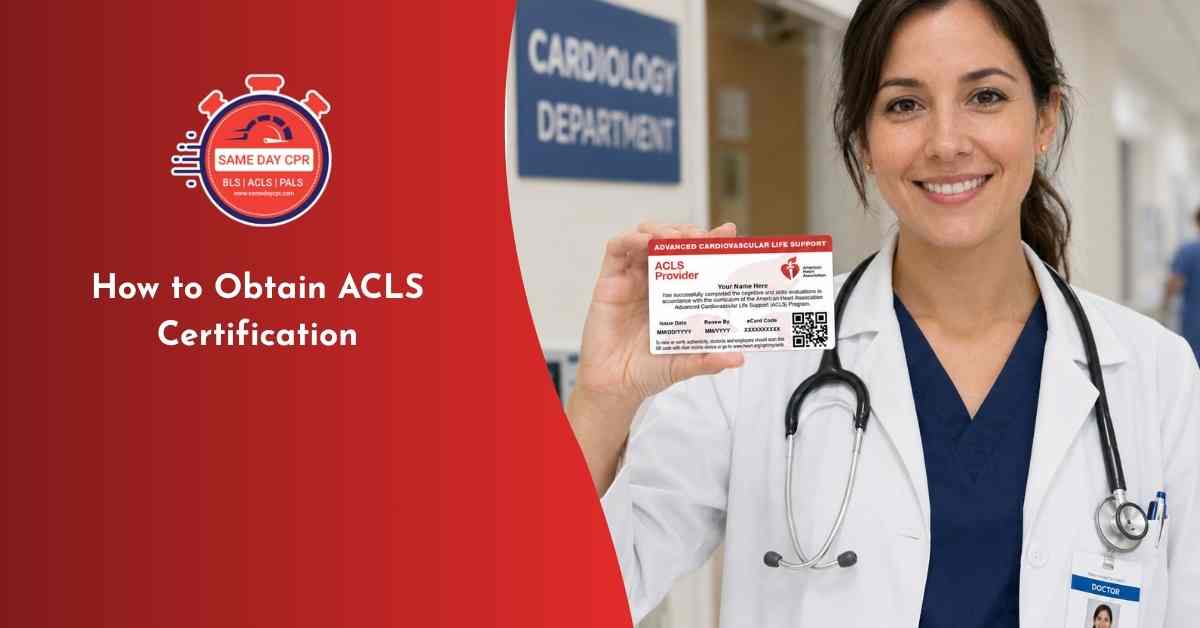
Advanced Cardiovascular Life Support (ACLS) certification is more than just a credential—it’s the foundational skill set that enables healthcare professionals to respond decisively and effectively during life-threatening cardiac emergencies, ultimately helping save lives. Whether you’re pursuing ACLS for the first time to launch your healthcare career, renewing an expiring certification to maintain professional compliance, or advancing to meet employer requirements, obtaining this certification is a critical investment in both your professional capability and your patient care competency.
This guide provides a complete, step-by-step roadmap for obtaining your ACLS certification. You’ll learn how to verify your eligibility, select an accredited training provider, navigate the coursework requirements, master the skills assessments, and successfully earn your credential. Beyond the procedural steps, you’ll discover proven study strategies that maximize your success and avoid common obstacles that can delay your certification journey.
By following this guide, you’ll not only understand exactly what’s required to obtain ACLS certification, but you’ll also gain the knowledge, confidence, and practical skills needed to respond effectively in high-pressure emergencies where your training makes the difference between life and death.
What is ACLS Certification
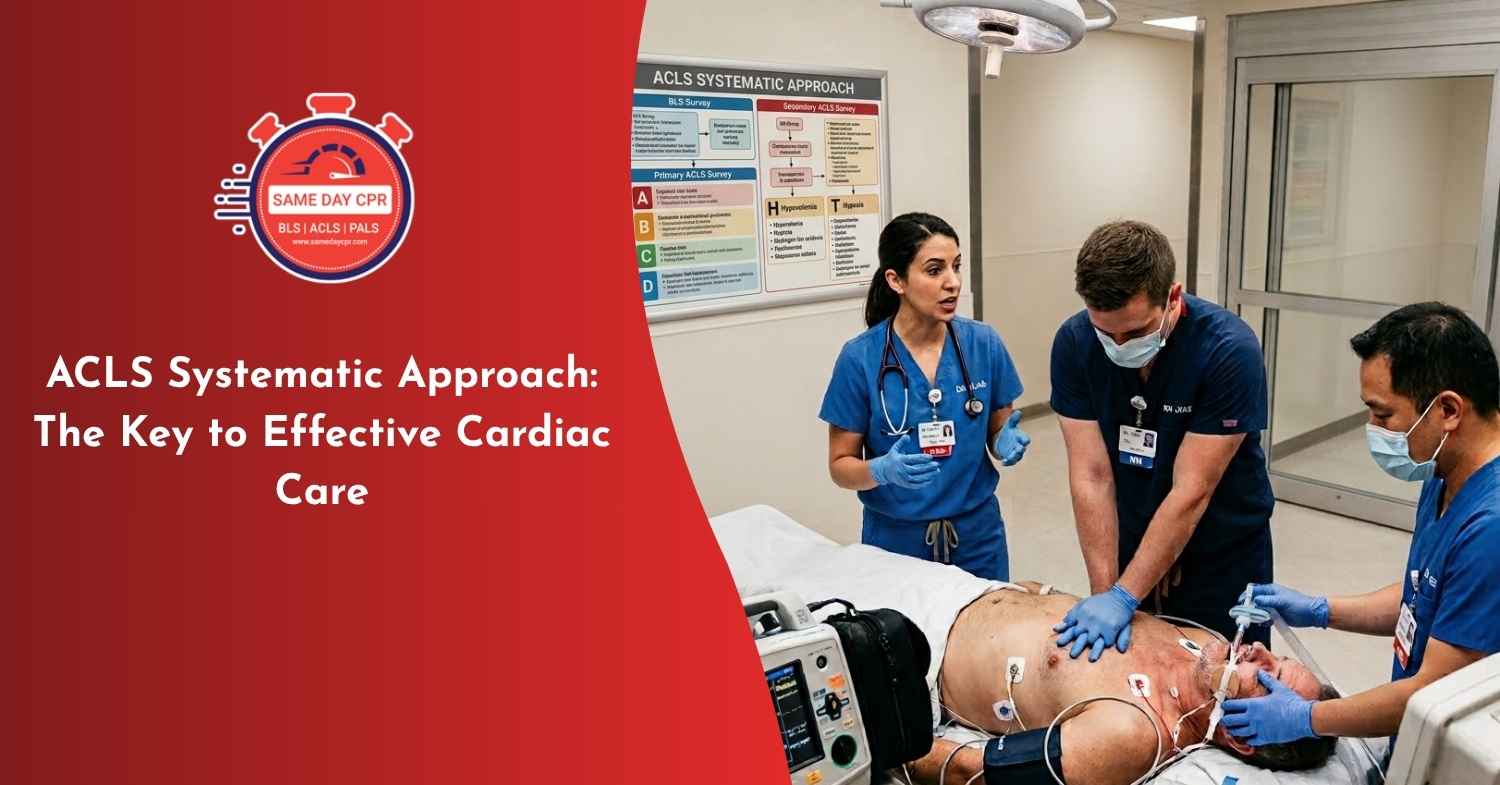
Advanced Cardiovascular Life Support (ACLS) is an advanced clinical training program that teaches healthcare professionals how to recognize and manage life-threatening cardiovascular emergencies. The certification covers rapid assessment and treatment of conditions, including cardiac arrest, stroke, acute coronary syndromes, and other critical cardiac events. ACLS training equips providers with practical skills in advanced airway management, cardiac rhythm interpretation (ECG), emergency medication administration, and coordinated team resuscitation using evidence-based protocols.
Who Needs ACLS Certification?
ACLS certification is important for healthcare workers who deal with serious medical emergencies. It helps them build the skills needed to respond quickly and save lives in critical situations. If you’re wondering who needs ACLS certification, the training is particularly relevant for healthcare professionals who may be responsible for managing cardiac or respiratory emergencies.
- Nurses often care for patients during serious heart and breathing emergencies in hospitals. ACLS training helps them act quickly and give the right treatment when every second matters.
- Physicians use ACLS skills to manage life-threatening heart conditions and guide emergency care teams. This training supports fast decisions and improves patient outcomes during critical situations.
- Paramedics respond first when patients face sudden cardiac or respiratory emergencies outside the hospital. ACLS certification helps them stabilize patients and provide advanced care during transport.
- Respiratory therapists support patients who have trouble breathing or need airway help. ACLS training gives them stronger skills to respond during urgent heart and lung emergencies.
- Emergency department staff work with patients who arrive in critical condition. ACLS certification prepares them to respond quickly and work as a team during high-pressure situations.
ACLS Eligibility Requirements
ACLS eligibility helps ensure learners are ready for high-level emergency care training. It is developed for people with healthcare knowledge and experience who work in serious clinical situations.
1. Basic Understanding of Emergency Care
You should already know the basics of emergency care and common medical terms before starting ACLS. This helps you understand the more advanced skills taught in the course.
2. Comfort Working in Healthcare Settings
You should feel comfortable in hospitals or clinical settings where serious and life-threatening situations can happen. ACLS prepares you to respond in these high-pressure situations.
3. Valid Basic Life Support (BLS) Certification
Having a current BLS certificate is recommended. It includes important skills like CPR, AED use, and airway support, which are the foundation for ACLS training.
4. Healthcare Professional Status
ACLS is mainly for licensed healthcare workers such as doctors, nurses, paramedics, and respiratory therapists who handle medical emergencies as part of their job.
5. Experience in Emergency or Critical Care Areas
It helps if you already work in emergency, intensive care, or other acute care settings where cardiac emergencies are more likely to happen.
6. Medical Students and Trainees (In Some Programs)
Some ACLS courses allow medical students or trainees to join if they are already doing supervised clinical training. This helps them build advanced emergency skills early in their careers.
Cost of ACLS Certification
The cost of obtaining ACLS certification can vary depending on the training provider, course format, and location. On average, candidates should expect a moderate investment that reflects the advanced level of clinical training provided.
Average Course Fees
In general, ACLS certification typically costs around $295 for ACLS Online & Skills and about $150 for ACLS Skills (USD) for most standard courses. In some regions or at premium training centers, prices may be higher, especially when additional study materials, certification cards, or hands-on workshops are included. Blended learning programs may also have slightly different pricing structures compared to traditional classroom courses.
Factors Affecting Pricing
Several factors influence the overall cost of ACLS certification:
- Blended vs. In-Person Training: Blended courses are often more affordable and flexible, while in-person training may cost more due to instructor-led sessions and facility use.
- Location: Prices vary by country and region based on healthcare standards, demand, and institutional fees.
- Training Provider: Well-known organizations like the American Heart Association (AHA) may charge more due to accreditation quality and global recognition. Independent training centers may offer lower-cost alternatives.
- Included Materials and Services: Some courses include textbooks, practice exams, and certification cards in the fee, while others charge separately for these resources.
Steps to Obtain ACLS Certification
Obtaining ACLS certification involves a structured training and assessment process developed to ensure healthcare professionals are fully prepared to handle emergency cardiovascular situations effectively.
Step 1: Choose an Accredited Provider
The first step is selecting an accredited ACLS training provider, most commonly those following AHA guidelines. You can choose between online courses, which offer flexible self-paced learning, and in-person training, which provides hands-on practice with instructions of the AHA Voice-Assisted Manikin (VAM). Many programs also offer a blended format combining both online theory and in-person skills evaluation.
Step 2: Enroll in the ACLS Course
After selecting a provider, you must complete the registration process by submitting personal and professional details and paying the course fee. Once enrolled, learners gain access to study materials and training resources. The course duration typically ranges from one hour to one day for in-person training, while online modules are completed at your own pace.
Step 3: Complete the Online Training Modules
During the course, participants study essential advanced life support concepts, including:
- Cardiac arrest algorithms for systematic emergency response
- ECG interpretation to identify abnormal heart rhythms
- Basic pharmacology for emergency medications used in resuscitation
These modules are prepared to strengthen clinical decision-making skills in high-pressure situations.
Step 4: Pass the Practical Skills Assessment
The final step involves a hands-on skills evaluation where you must demonstrate your ability to apply ACLS protocols in real-time scenarios. This includes:
- Simulation-based emergency scenarios, such as cardiac arrest response
- Team-based resuscitation exercises to assess communication and coordination skills
Successful completion of both written and practical assessments is required to earn ACLS certification.
Study Tips for ACLS Certification
Preparing effectively for the ACLS certification requires a combination of structured study, practice, and familiarity with clinical protocols. Since the in-person skill examine both theoretical knowledge and practical decision-making ability, focused preparation is essential.
Use AHA Algorithms and Guidelines
One of the most important study strategies is to thoroughly understand the AHA ACLS algorithms. These standardized flowcharts guide clinical decisions during emergencies such as cardiac arrest, bradycardia, and tachycardia. Regular review and memorization of these algorithms help improve speed and accuracy during hands-on skills and medical scenarios.
Practice ECG Interpretation
ECG interpretation is a core component of the ACLS course. You should practice identifying common heart rhythms such as ventricular fibrillation, ventricular tachycardia, atrial fibrillation, and heart blocks. Consistent practice helps build confidence in quickly recognizing life-threatening rhythms and selecting appropriate interventions.
Take Mock Test and Simulations
Mock tests and simulation-based practice are highly effective for skill preparation. They help you become familiar with the course format, improve time management, and reinforce clinical decision-making capability. Simulated scenarios also replicate real emergencies, allowing learners to apply ACLS protocols under pressure.
Want to prepare better? Read: Common things to study before ACLS certification
Common Mistakes to Avoid
Preparing for and maintaining ACLS certification requires consistent study and timely action. Many candidates make avoidable mistakes that can affect both online coursework performance and real-world clinical readiness.
Ignoring Algorithm Memorization
One of the most common mistakes is not fully memorizing the ACLS algorithms. These structured flowcharts are essential for managing emergencies such as cardiac arrest, bradycardia, and tachycardia. Relying only on understanding without memorization can slow down decision-making during hands-on skill tests and real scenarios, where quick responses are critical.
Poor ECG Interpretation Preparation
Another frequent issue is insufficient practice in ECG interpretation. ACLS certification often tests the ability to quickly identify life-threatening rhythms. Without regular practice, candidates may struggle to distinguish between similar patterns, leading to incorrect treatment decisions. Consistent review of ECG strips and rhythm drills is essential for success.
Waiting Too Long Before Renewal
Delaying ACLS renewal until the last minute is also a common mistake. Since certification is typically valid for two years, waiting too long can lead to expired credentials, additional stress, and rushed preparation. It is always better to begin the renewal process early to ensure continuous certification and compliance with healthcare requirements.
Achieving ACLS Certification: From Training to Life-Saving Impact
In short, obtaining ACLS certification requires completing an accredited training course, participating in hands-on practice, and passing both written and practical assessments. Once these steps are completed, you receive certification that validates your ability to manage advanced cardiac emergencies. Beyond meeting requirements, the process equips you with the skills and confidence needed to respond effectively in critical situations and improve patient outcomes. Ready to get AHA ACLS certified? Same Day CPR combines flexible online coursework with a short in-person skills session. Complete both components and receive your AHA ACLS Course Completion Card, all in your own timeline.