


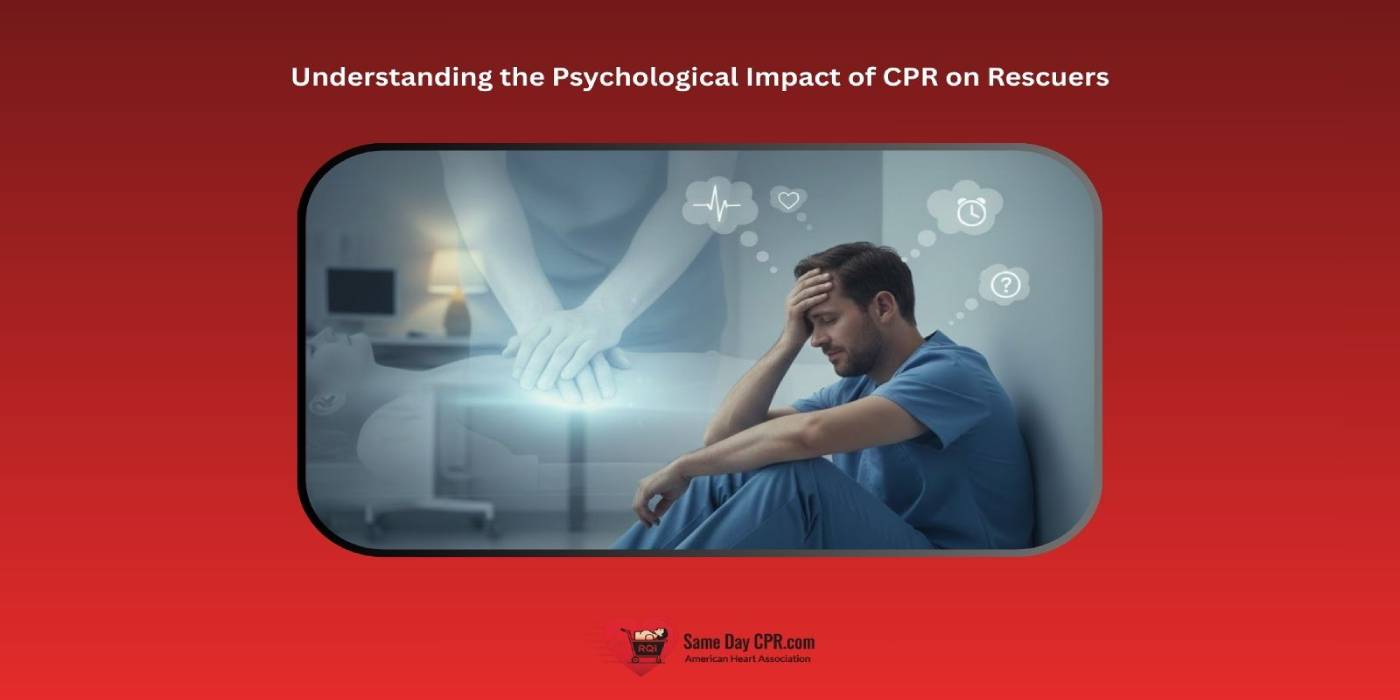
CPR, or cardiopulmonary resuscitation, is psychologically demanding for rescuers because it places them in a sudden, high-stakes situation where another person’s life appears to depend on their actions. In those moments, rescuers must make rapid decisions under intense pressure, often while confronting fear, uncertainty, and the possibility of death. The responsibility of acting correctly, especially with limited time and information, can create significant mental strain alongside the physical effort.
Beyond the physical effort, the emotional impact of performing CPR can be profound. Rescuers may experience shock, anxiety, or helplessness, particularly if the outcome is unfavorable. Even when CPR is performed correctly, lingering emotions such as guilt, self-doubt, or replaying the event are common. These psychological responses, often referred to as the unseen scars of saving lives, highlight that CPR is not just a technical skill but an emotionally charged experience that can affect rescuers well after the emergency has ended.
Immediate Psychological Responses During CPR
Performing CPR throws rescuers into an intense, high-pressure moment, and it’s natural for your mind and body to react instantly, and these reactions can feel overwhelming.
1. Stress and Adrenaline Hit Fast
The moment CPR starts, your body floods with adrenaline. Your heart races, your senses sharpen, and you feel ready to act. This can help you respond quickly, but it can also make your hands shake, your vision narrow, or your thoughts feel scattered. It’s all normal, it’s your body gearing up for a critical situation.
2. Worrying About Mistakes
Even trained rescuers often fear doing something wrong. You might worry about pressing too hard, too shallow, or forgetting a step. Acting quickly while others watch can heighten anxiety, and it’s easy to feel mentally overloaded. These feelings are common, so try not to be hard on yourself.
3. Feeling the Weight of Responsibility
When someone’s life depends on your actions, it’s natural to feel a heavy sense of responsibility. That pressure can sharpen focus and determination, but it can also create stress, especially if the patient doesn’t respond immediately. Remember, CPR is about giving the best possible chance, not guaranteeing survival, and it’s important to know whether you will be charged if the person you administer CPR to does not survive.
Short-Term Emotional Effects After CPR
After the adrenaline fades, rescuers often notice strong emotions as the reality of the event sets in. These reactions are normal and can happen regardless of experience or the outcome.
1. Emotional Shock and Exhaustion
It’s common to feel drained, both physically and emotionally, after performing CPR. Going from a high-intensity emergency back to normal life can feel like a shock. You might feel numb, detached, or mentally exhausted as your brain processes the stress.
2. Guilt, Self-Doubt, or Replaying the Event
Many rescuers replay the event in their minds, wondering if they could have done something differently. Feeling guilt or questioning your actions is normal, even when you did everything correctly. It just shows how much you cared about helping.
3. Relief or Disappointment
If the patient survives, you may feel relief, pride, or gratitude. But even then, lingering stress or anxiety can remain. When the outcome isn’t favorable, sadness or disappointment is natural. Both positive and negative emotions are part of processing a life-and-death situation.
Long-Term Psychological Effects of CPR
Even after the immediate stress fades, some rescuers continue to feel the emotional impact. These effects may show up gradually and influence both personal and professional life.
1. Intrusive Thoughts and Memories
It’s normal to replay parts of the CPR event in your mind. Certain sights, sounds, or situations may suddenly trigger vivid memories. Difficulty sleeping or avoiding reminders is your brain’s way of processing what happened.
2. Ongoing Anxiety or Emotional Strain
Some rescuers feel lasting worry, emotional numbness, or loss of motivation. Life-threatening experiences, even as a rescuer, can take a real toll on mental health. This is sometimes called “secondary trauma,” meaning you experience emotional effects even though you weren’t the patient.
3. Compassion Fatigue with Repeated Exposure
Healthcare workers or first responders who frequently perform CPR can feel emotionally drained over time. Repeated exposure to emergencies can reduce empathy, energy, and motivation. Taking time to recover and seeking support is key to preventing burnout.
Remember, these reactions are normal. Recognizing them early and caring for yourself helps prevent long-term effects.
Psychological Differences Between Professional and Lay Rescuers
Not everyone experiences CPR the same way. Training, experience, and support systems make a big difference.
1. Training and Confidence
Professionals often have repeated, realistic training, which helps them feel prepared and confident. Lay rescuers may have basic or infrequent training, making the experience more stressful.
2. Emotional Processing for First-Time Responders
Lay rescuers or those performing CPR for the first time may feel more intense fear, helplessness, or guilt. They might replay the event more and question their actions, especially if the outcome is not favorable.
3. Support Systems
Professional rescuers usually have access to debriefings, peer support, or mental health resources. Lay rescuers may rely on family or friends, who may not fully understand the emotional impact. Both groups benefit from talking about the experience.
Common Triggers That Intensify Psychological Stress
Certain situations can make CPR more emotionally challenging:
1. Children or Loved Ones
Performing CPR on a child or someone you know can be especially distressing. Emotional attachment increases fear, grief, and long-term impact.
2. Long or Unsuccessful CPR
Extended efforts or unsuccessful outcomes can heighten physical fatigue and emotional stress. Even when you do everything right, feelings of helplessness or sadness can arise.
3. High-Pressure or Public Settings
CPR in public, chaotic, or high-stakes environments adds extra stress. Being watched or feeling judged can amplify anxiety during and after the event.
Coping Strategies and Emotional Recovery
Taking care of yourself after CPR is essential. Healthy coping helps you process the experience and reduce long-term distress.
1. Normalize Your Reactions
Feeling shock, sadness, guilt, or anxiety is normal. These reactions show the intensity of the situation, not weakness. Understanding this helps reduce self-blame.
2. Talk About It
Sharing your experience with peers, attending debriefings, or seeking counseling can help. Talking allows you to process emotions and gain perspective.
3. Self-Care and Stress Management
Rest, exercise, mindfulness, and maintaining routines all support recovery. For professionals, setting boundaries and taking breaks between high-intensity events is vital to prevent burnout.
Role of Training in Psychological Preparedness
CPR training isn’t just about technique; it helps prepare your mind and emotions, too.
1. Mental Readiness in CPR Education
Discussing stress, uncertainty, and emotional reactions in training prepares you to expect and understand your responses.
2. Practice with Realistic Scenarios
Scenario-based exercises help you make decisions under pressure and clarify that outcomes aren’t always controllable. CPR is about giving the best chance, not guaranteeing survival.
3. Encouraging Support-Seeking
Training that emphasizes emotional well-being encourages asking for help when needed. Peer discussions, debriefings, and mental health resources reduce stigma and support long-term resilience.
When to Seek Professional Help
Some emotional reactions improve over time, but certain signs indicate you may need extra support.
1. Warning Signs
Seek help if stress, intrusive thoughts, guilt, or sadness persist for weeks or worsen. Difficulty sleeping, avoiding reminders, irritability, or withdrawal are also signs to watch for.
2. Importance of Early Support
Talking with a mental health professional early can prevent long-term stress. Support helps you process the event, develop coping skills, and regain balance so you can continue helping others without carrying emotional burdens.
Protecting Rescuers’ Well-Being After CPR
In short, CPR is more than a lifesaving skill; it is a powerful experience that affects both mind and body. Rescuers face intense pressure, rapid decisions, and strong emotions that can linger long after the event ends. Feeling shock, worry, or guilt is normal, whether you are a first-time responder or a seasoned professional. Talking about the experience, caring for yourself, and using support systems can make a real difference in how you recover. Understanding these reactions and preparing for them helps rescuers stay resilient, confident, and ready to act while protecting their own mental well-being.
At Same Day CPR, we make lifesaving training simple and fast. You can earn your AHA standard certification in BLS, ACLS, PALS, CPR, or First Aid through a quick online course, then complete a hands-on skills session at one of our 80+ locations. Walk out the same day with your official certification card and the confidence to handle emergencies.