-
 30,000+ Students Sucessfully Trained Annually
-
30,000+ Students Sucessfully Trained Annually

-
30,000+ Students Sucessfully Trained Annually

 30,000+ Students Sucessfully Trained Annually
When a person experiences a life-threatening emergency, a fast and organized response can make a critical difference. Whether you are a beginner learning basic life support or a healthcare provider managing a cardiac arrest situation, understanding the BLS algorithm helps you follow a clear approach during emergencies. The BLS algorithm provides a structured framework based on evidence-based resuscitation practices to assess the situation, perform high-quality CPR, provide ventilation, use an automated external defibrillator (AED), and deliver timely lifesaving care.
This complete guide explains what the BLS algorithm is, how it works, and the essential steps involved in basic life support. It covers patient assessment, CPR techniques, AED use, and key recommendations from the American Heart Association (AHA) CPR & ECC Guidelines.
Created for healthcare providers, students, and BLS trainees, this guide offers a practical overview of basic life support principles and emergency response steps. It supports learning and preparation but does not replace official BLS certification training, professional medical judgment, or workplace emergency procedures.
The BLS algorithm is a step-by-step, evidence-based approach used to guide rescuers and healthcare providers during life- threatening emergencies, especially cardiac arrest. It focuses on rapid assessment and immediate action to improve a person’s chance of survival. It begins with checking scene safety, assessing the person’s responsiveness, and determining whether they are breathing normally. If cardiac arrest is suspected, rescuers should activate the emergency response system, begin chest compressions, provide rescue breaths if trained, and use an AED as soon as it becomes available.
Following the BLS algorithm helps ensure that every step is performed correctly and without unnecessary delays. It improves coordination among rescuers, reduces confusion during emergencies, and supports an effective response in both healthcare and community settings. Developed by the AHA, the BLS algorithm gives individuals the confidence and skills needed to respond quickly until advanced medical help arrives.
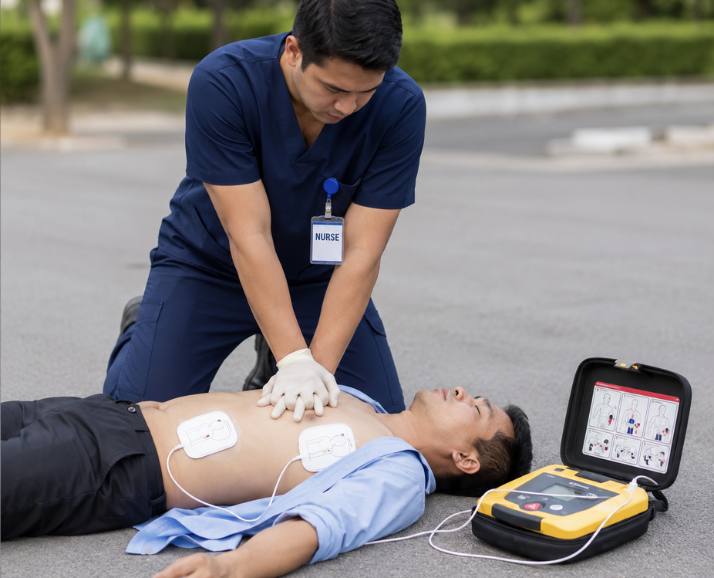
The BLS systematic approach provides a clear path for responders to follow during a life-threatening emergency. It helps them take quick action, provide effective care, and work together to improve the person’s chances of survival.
1. Ensure Scene Safety
Before providing help, rescuers must check that the environment is safe for themselves, the victim, and others nearby. A safe scene allows responders to provide care without putting anyone at additional risk.
2. Assess Responsiveness and Breathing
The responder should check if the person responds by tapping and speaking loudly. They should also assess breathing and determine if the person is breathing normally or only gasping, which may indicate cardiac arrest.
4. Activate Emergency Response
If the person is unresponsive and not breathing normally, the emergency response system should be activated immediately. Calling for emergency help ensures that advanced medical support is on the way while BLS care begins.
5. Start High-Quality CPR
High-quality CPR should be started as soon as possible to maintain blood flow and oxygen delivery to vital organs. It includes effective chest compressions with proper depth, rate, and minimal interruptions.
6. Use an AED When Available
An AED should be used as soon as it becomes available because it can identify certain abnormal heart rhythms and deliver a shock when needed. Early defibrillation can improve the chances of survival during cardiac arrest.
7. Provide Continuous Care
BLS care should continue without unnecessary delays until the person shows signs of recovery or advanced medical help takes over. Responders should regularly reassess the situation and adjust care based on the person’s condition.
8. Work as a Team
Effective teamwork improves the speed and quality of emergency care. Team members should communicate clearly, share responsibilities, and coordinate tasks to provide organized and efficient resuscitation.
High-quality CPR is the foundation of Basic Life Support (BLS) because it helps maintain blood circulation and oxygen delivery to vital organs during cardiac arrest. Effective CPR improves the chances of survival by supporting the heart and brain until advanced medical care is available.
High-quality CPR also requires proper technique, teamwork, and continuous assessment to ensure each action is performed correctly during an emergency. Regular training and practice help healthcare providers build confidence, improve response time, and deliver consistent care during critical situations.
The Infant Foreign Body Airway Obstruction Algorithm explains how to manage choking emergencies in babies who cannot clear an airway blockage on their own. It recommends specific actions such as back slaps and chest thrusts to safely remove the obstruction while avoiding harm to the infant. Early recognition and correct technique are important for protecting the baby’s airway and improving outcomes.
The Child Foreign- Body Airway Obstruction Algorithm provides a step-by-step approach to help a child who is choking due to a blocked airway. It focuses on quickly identifying signs of airway obstruction and using appropriate techniques such as back blows and abdominal thrusts to remove the object. Following this algorithm helps restore normal breathing and prevents serious complications caused by delayed treatment.
The Adult Foreign Body Airway Obstruction Algorithm helps rescuers manage choking situations in adults by identifying whether the airway blockage is mild or severe. It includes recommended actions such as encouraging coughing when possible and performing back blows or abdominal thrusts when needed. Proper use of this algorithm can help clear the airway and restore normal breathing.
The Pediatric BLS Algorithm for a single rescuer guides one person through the steps needed to respond to a life-threatening emergency in children. It includes checking responsiveness, activating emergency help, performing high-quality CPR, and using an AED when available. This structured approach helps a rescuer provide timely support while maintaining effective chest compressions and ventilation.
The Pediatric BLS Algorithm for two or more rescuers focuses on coordinated teamwork during a pediatric emergency. It outlines how rescuers should divide responsibilities, provide effective CPR, call for emergency assistance, and use available equipment. Clear role assignment and communication help improve the speed and quality of care provided to the child.
The Adult Basic Life Support Algorithm for lay rescuers provides simple steps for responding to an adult who may be experiencing cardiac arrest. It guides rescuers to recognize the emergency, call for help, begin CPR, and use an AED if available. The algorithm is designed to help anyone provide immediate support until professional medical assistance arrives.
The Adult Basic Life Support Algorithm for Healthcare Professionals provides a detailed framework for trained providers responding to cardiac arrest situations. It emphasizes rapid assessment, high-quality CPR, effective ventilation, early AED use, and teamwork among healthcare members. Following this approach helps healthcare professionals deliver organized care and improve the chances of patient survival.
Successful Basic Life Support depends on strong teamwork because several lifesaving tasks often need to happen at the same time. When rescuers work together with clear communication and shared responsibility, they can provide faster, more organized, and more effective care while reducing delays and preventing mistakes.
Key elements of effective BLS team dynamics include:
Strong team dynamics help rescuers stay organized during stressful emergencies and ensure that every step of the BLS algorithm is completed efficiently. By working together as one team, rescuers can deliver high-quality care and improve the person’s chances of survival.
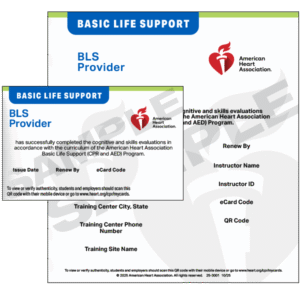
Basic Life Support certification is recommended for anyone who may need to respond to a cardiac or breathing emergency. It is especially valuable for healthcare professionals and people whose jobs involve caring for or protecting others. BLS training teaches essential skills such as CPR, AED use, and how to provide lifesaving care until advanced medical help arrives.
To earn your BLS certification, complete either a blended learning course that combines online lessons with an in-person skills session or a fully in-person class. Choose a course that follows the latest AHA guidelines to ensure you receive the most up-to-date training.
After completing the course, your BLS certification remains valid for two years. If your certification is still active, you can continue using it even if new guidelines are released during that time.
When your certification is close to expiring, enroll in a renewal course that reflects the latest BLS recommendations. Many training providers regularly update their course materials and practice scenarios to match current treatment guidelines and algorithms.
In summary, a strong understanding of the BLS algorithm prepares you to respond with confidence during life-threatening emergencies. By learning the correct steps, practicing high-quality CPR, using an AED correctly, and working well with others, you can provide effective care until advanced medical help arrives. Whether you are a healthcare provider, student, or first responder, regular training and certification help keep your skills current and ready for real situations. Following the BLS algorithm with confidence and consistency can make a meaningful difference during critical emergencies.
Ready to build your lifesaving skills? Same Day CPR offers BLS certification courses that follow the latest AHA guidelines, with flexible training options to help you get certified or renew your credentials quickly and confidently.